Milwaukee Neuroscience Conference Reveals New Brain Insights
featured 4109

Leading brain scientists meet in Milwaukee to explore the resting brain and improve diagnosis of neurological disorders Top neuroscience researchers from around the world will convene in Milwaukee on Sept. 16–19, 2010, for the Second International Conference on Resting-State Functional Brain Connectivity. Hosted by the Medical College of Wisconsin, the meeting brings together roughly 350 … Read more


Which Pesticides Are Linked to Parkinson’s Disease?

featured 93838

Summary: Researchers have identified 10 pesticides that directly damage the dopamine-producing neurons most affected in Parkinson’s disease, and found that common combinations used in cotton farming can be even more harmful than individual chemicals. Using California’s comprehensive pesticide use records combined with laboratory toxicity screening, teams from UCLA Health and Harvard pinpointed specific chemicals that … Read more

Eye Clues May Guide Treatment for Severe Autism

featured 57244

Summary: Tracking eye movements and pupil responses can reveal true receptive vocabulary in people diagnosed with Level 3 autism. Source: University of Vermont Standard vocabulary tests often fail to capture the language abilities of people with the most severe forms of autism spectrum disorder (Level 3 ASD). Traditional assessments typically ask the participant to point … Read more

Predicting Rumination with Machine Learning

featured 95137

Summary: A research team developed a machine learning model that predicts individual tendencies to engage in persistent negative thinking, known as rumination, from patterns of brain connectivity measured with functional MRI (fMRI). Rumination—repetitive, self-focused thinking about negative feelings, past mistakes, or worries—is a known risk factor for depression and anxiety. Identifying objective neural markers of … Read more

Personality Profiles Tied to Lower Anxiety and Depression

featured 45265

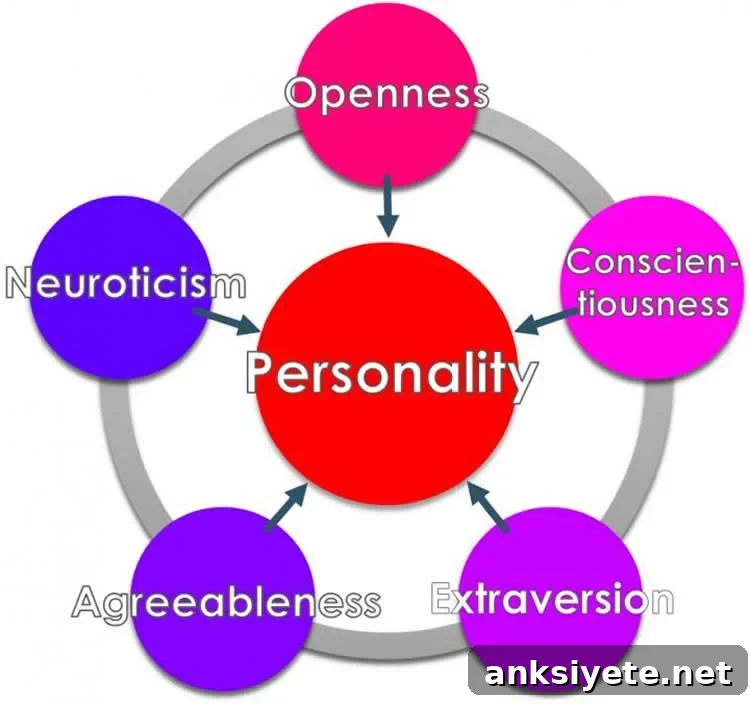
Summary: Researchers report that high neuroticism increases the risk of mood disorders, but when combined with high extraversion or conscientiousness these traits can partially protect against depression and anxiety. Source: University at Buffalo. High levels of neuroticism increase the risk of depression and anxiety, but individuals who are also highly extraverted and conscientious may enjoy … Read more

Mouse Study Finds Way to Ease Schizophrenia Symptoms

featured 52697

Summary: Scientists reduced schizophrenia-like symptoms in mice by restoring the ErbB4 receptor in adulthood. Source: Case Western Reserve University. Schizophrenia remains a poorly understood brain disorder despite decades of research. One promising line of investigation focuses on receptors at the surfaces of brain cells that respond to growth factors. Many prior animal studies disrupted these … Read more

How Fat Cells Drive Cognitive Decline and Neurodegeneration

featured 78304

Summary: New research reveals how adipocytes (fat cells) contribute to cognitive decline and increased risk of neurodegeneration. Using genetically modified mouse models, scientists show that oxidative stress driven by a Western diet activates an Na,K-ATPase oxidant amplification loop in adipocytes, raising inflammatory cytokines and altering hippocampal protein markers tied to memory and cognition. Source: Marshall … Read more

How the Brain Selects Sounds: The Science of Auditory Attention

featured 45600

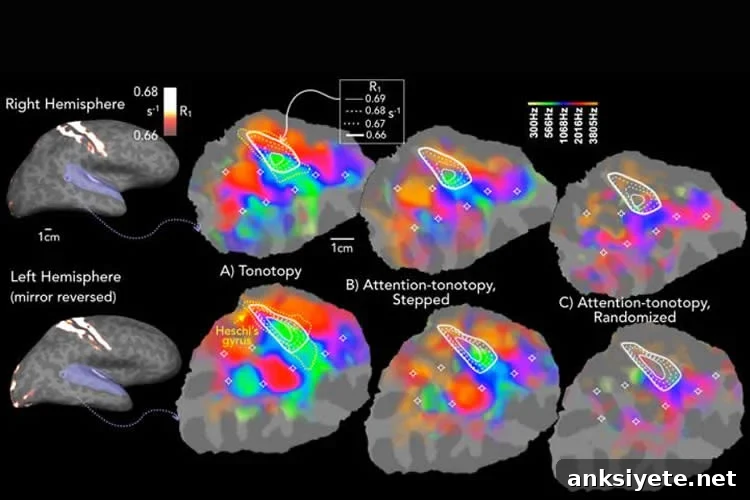
How the Brain Selects Sounds: Neural Mechanisms of Auditory Attention Summary: A neuroimaging study maps the brain mechanisms that allow auditory selective attention. Source: Carnegie Mellon University How can we effortlessly follow a friend’s voice in a crowded café or pick out a violin’s melody inside an orchestra? Researchers from Carnegie Mellon University and Birkbeck, … Read more

Novel Genetic Test Uncovers Dementia Risk Genes

featured 85577

Summary: Researchers have identified multiple new genetic risk factors for Alzheimer’s disease and for progressive supranuclear palsy (PSP), using high-throughput functional screening to pinpoint variants that alter gene regulation. Source: UCLA A UCLA-led research team has used large-scale functional assays to identify dozens of genetic variants and several new risk genes linked to Alzheimer’s disease … Read more

New Artificial Compound Eye Boosts 3D Object Tracking

featured 58921

Summary: A bio-inspired compound eye has been developed to reveal how insects detect objects and trajectories with exceptional speed, and it may enable fast, lightweight 3D localization for robots and autonomous vehicles. Source: The Optical Society Insects react to motion with remarkable speed. A newly developed bio-inspired compound eye reproduces both the form and function … Read more