Neuroscientists Find Mini Neural Computer Circuit in Brain
featured 12077

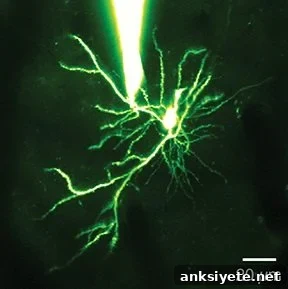
Dendrites — the branch-like extensions of neurons — were once regarded as passive wiring. New research from the University of North Carolina at Chapel Hill shows that dendrites actively process information, substantially increasing the brain’s computational capacity and offering new insight into how sensory information is represented and potentially how certain neurological disorders arise. Researchers … Read more

Researchers Seek to Break GLP-1 Weight Loss Plateaus

featured 117118

Summary: New research reveals the precise events that glucagon-like peptide-1 (GLP-1) receptor agonists such as semaglutide trigger inside neurons. Using real-time fluorescence imaging in mouse brain tissue, the study maps how semaglutide alters intracellular signaling in appetite-regulating circuits and ties those molecular signals to weight-loss effects. The work shows that semaglutide’s effectiveness depends on raising … Read more

How Neural Networks Predict Movie Audience Reactions

featured 42542

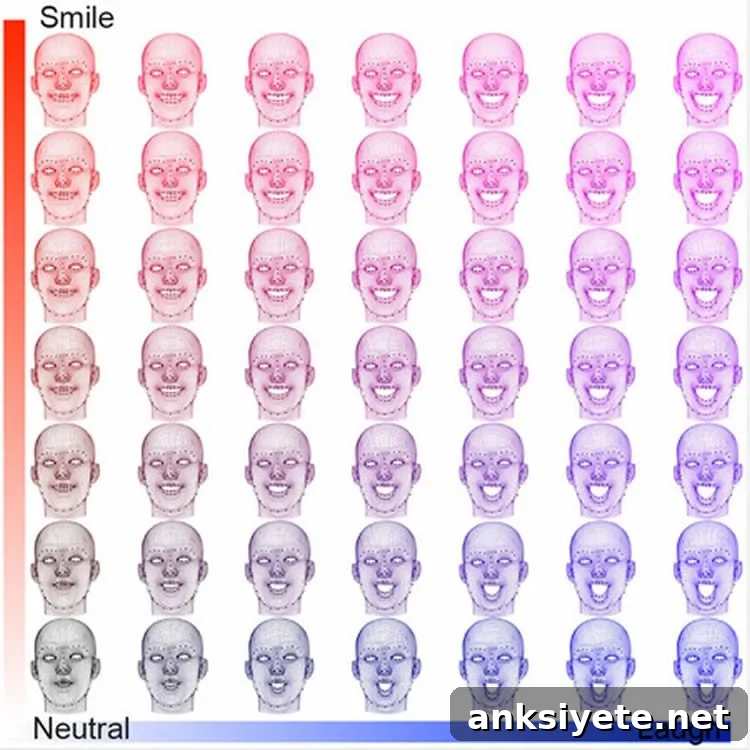
Summary: Researchers have developed a deep-learning system that interprets viewers’ facial expressions to measure and predict audience reactions to films. With sufficient data, the method can infer how an audience responds and anticipate an individual’s reaction after only a few minutes of observation. Source: Caltech. Software learns meaningful patterns in facial expressions automatically Engineers and … Read more

Anti-Inflammatory Drug May Slow Alzheimer’s Progression

featured 33483

Summary: A new study reports that a commonly used NSAID anti-inflammatory drug reversed memory loss and reduced brain inflammation in mouse models of Alzheimer’s disease. Source: University of Manchester Common anti-inflammatory drug restores memory and reduces inflammation in experimental Alzheimer’s models Researchers at The University of Manchester, led by Dr David Brough, report that the … Read more

Did Sleep or the Brain Evolve First? Origins Explained

featured 70436

Summary: Using tiny water-dwelling hydras, researchers present new evidence that the need for sleep arose before the evolution of a centralized brain. Source: Kyushu University Staying awake for too long impairs cognition, but brief sleep restores mental performance. When and why animals began to need sleep remains an open evolutionary question — and whether a … Read more

Neuronal Transport Dysfunction Linked to Alzheimer’s Disease

featured 35072

Summary: New research validates that a mutation-driven defect in intracellular transport contributes to familial Alzheimer’s disease and identifies a potential therapeutic target. Source: UCSD. Study confirms mutation-driven transport defects in neurons and points to an existing enzyme inhibitor as a corrective approach. Researchers at the University of California San Diego School of Medicine report that … Read more

Genetic Mapping Pinpoints Root Causes of Multiple Sclerosis (MS)

featured 116994

Summary: A landmark neurobiology study delivers the first direct, data-driven comparison of the two most widely used preclinical models for multiple sclerosis (MS). Focusing on the loss and recovery of myelin—the fatty insulating layer that surrounds nerve fibers—the research team mapped cellular and genetic responses in the cuprizone (CPZ) and lysophosphatidylcholine (LPC) models and compared … Read more

VR Study Finds Body and Environment Perceptions Shape Mood

featured 35110

Summary: New research shows that the way our body moves and the spatial context we occupy combine to shape emotions and how we explore an environment. Source: Cell Press. Body and space interact to shape emotion and exploration How we feel in an environment — whether calm, pleased, anxious or frightened — and how we … Read more

New Treatment Targets Found for Pediatric Brain Tumors

featured 64851

Neurons and Immune Cells Cooperate to Drive Tumor Growth in Neurofibromatosis Type 1 Summary: Noncancerous neurons and immune cells interact to promote tumor growth in neurofibromatosis type 1 (NF1), revealing new potential therapeutic targets. Source: Washington University School of Medicine (WUSTL) Neurofibromatosis type 1 (NF1) is a genetic disorder that predisposes people to tumors of … Read more

Men, High BMI, Smoking and Depression Accelerate Biological Aging

featured 71143

Summary: Researchers identify five biological markers that together reveal important influences on biological aging. Source: eLife A composite biological-age score indicates that male sex, higher body weight, smoking and depression are associated with accelerated biological aging, a study published today in eLife reports. Chronological age is simply the number of years since birth, but biological … Read more