Early Depression Treatment Could Lower Future Dementia Risk

featured 87263

Summary: Symptomatic depression is linked to a 51% greater risk of developing dementia, but patients who received treatment for depression showed a substantially lower likelihood of later dementia diagnosis. Source: Elsevier Depression has long been observed to increase the risk of dementia. A new prospective cohort study now suggests that timely and effective treatment of … Read more
Brain Waves in the Motor Cortex Predict Upcoming Movements

featured 89895

Summary: Spatially organized recruitment of neural activity across the motor cortex carries information about planned movements. Source: University of Chicago Nicholas G. Hatsopoulos, PhD, Professor of Organismal Biology and Anatomy at the University of Chicago, has long focused on the organization of neural activity across the brain’s physical layout. “Inside our heads, the brain is … Read more

Complete Fruit Fly Nervous System Map Reveals Sex Differences

featured 109798

Summary: Researchers have completed the first full connectome of the adult fruit fly, mapping both the brain and the ventral nerve cord and revealing how neural signals pass between these key structures. This milestone exposes previously unknown neurons in the neck that transmit brain commands to the body and clarifies how the nervous system routes … Read more

New Rapid Test Detects Mild Cognitive Impairment and Dementia

featured 72191

Summary: Researchers have developed a brief computerized screening test that can detect mild cognitive impairment and dementia in approximately five minutes. Source: Kanazawa University As populations age worldwide, dementia prevalence is rising, making early detection increasingly important. To meet the need for fast, reliable screening, researchers in Japan have created a short computerized cognitive test … Read more

How the Nervous System Filters Sensory Signals to Guide Behavior

featured 68817

Summary: Researchers have identified a neural circuit in fruit flies that converts sensory inputs of different intensities into a binary decision about whether to act. Source: University of Michigan Fruit flies offer fresh insight into how nervous systems make simple yes-or-no decisions. Biologists at the University of Michigan and their collaborators have discovered a neural … Read more

Child Sleep Loss Linked to Higher Risk of Emotional Disorders

featured 33168

Summary: Researchers report that insufficient sleep affects children’s emotional well-being not only by increasing negative feelings but also by changing how they experience and remember positive emotions. Source: University of Houston NIH-funded study reveals long-term emotional effects of poor sleep. Most people describe sleep loss in familiar terms: grumpy, foggy, short-tempered. While those descriptions capture … Read more

Opioid Use During Pregnancy: Impact on Children

featured 80839

Summary: New rat research shows that opioid use before pregnancy can increase the risk that male offspring will develop type 2 diabetes and metabolic syndrome. Source: Tufts University Researchers at the Cummings School of Veterinary Medicine at Tufts University report that exposure to opioids prior to conception—even when discontinued weeks before pregnancy—may raise the likelihood … Read more

How a Fungus Shrinks to Infect the Brain

featured 86227

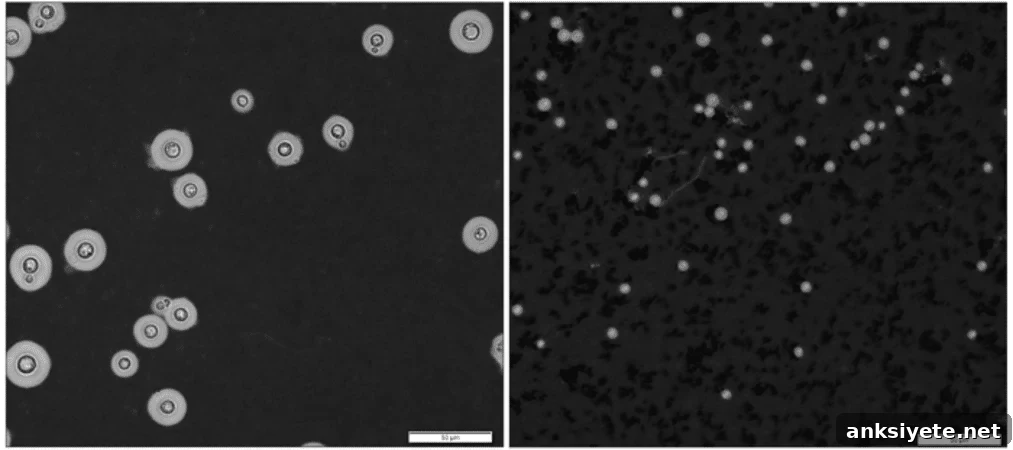
Summary: Cryptococcus neoformans, a fungus that causes fungal meningitis, rapidly changes size and surface features as it moves through the body, adopting a specialized form that promotes spread to the brain. Source: University of Utah A common cause of fungal meningitis, the fungus Cryptococcus neoformans, undergoes a striking transformation after entering the body that enables … Read more

Study: 13 Reasons Why tied to rise in US suicides

featured 56703

Summary: The Netflix series 13 Reasons Why has been associated with an increase in suicide deaths among U.S. adolescents. Researchers found a significant rise within three months of the show’s release, particularly among girls aged 10–19. Source: Medical University of Vienna Study findings Researchers at the Medical University of Vienna’s Suicide Research & Mental Health … Read more

New Theory Explains How the Brain Creates Our Perception

featured 24424

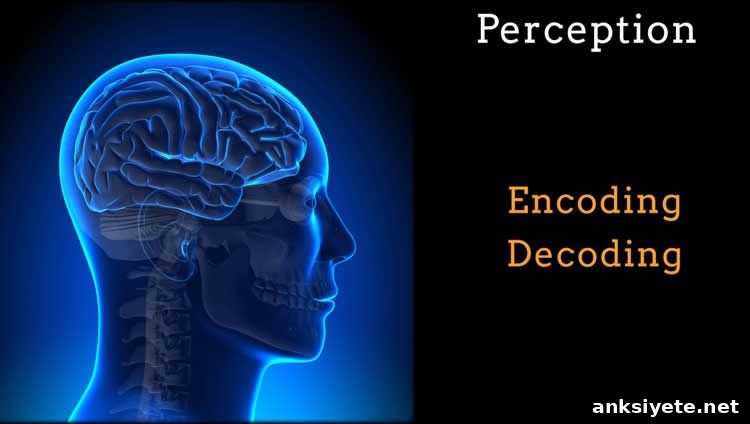
Researchers at the University of Pennsylvania have proposed a new, unified account of how the brain forms perceptions by integrating two influential ideas in sensory neuroscience. For decades two complementary theories have tried to explain why our subjective view of the world often diverges from physical reality. One of these, the Bayesian decoding framework, emphasizes … Read more