How Dogs Read Your Facial Expressions

featured 49814

Summary: A new study shows that dogs use different brain hemispheres to process negative and positive emotional cues from human facial expressions. Source: Springer. Dogs can read human faces and respond differently to emotions such as anger, fear, happiness and surprise. In a controlled experiment, researchers observed that dogs turn their heads and show distinct … Read more
How DNA Sequencing Could Improve Brain Infection Diagnosis

featured 32454

Summary: Next-generation genetic sequencing of brain tissue samples enabled researchers to identify or rule out potential brain infections in a clinical proof-of-principle study. Source: Johns Hopkins Medicine. Next-Generation Sequencing Helps Diagnose Brain Infections A multidisciplinary team of physicians and bioinformatics specialists at Johns Hopkins University has demonstrated that next-generation sequencing (NGS) of brain biopsy samples … Read more

Spotting Cultural Differences in Global Teams

featured 36465

Summary: A new study shows that people from different cultural backgrounds can react very differently to the same smells, and that simply naming a scent reduces many of those differences. Source: McGill University. Olfactory perception influenced by background and semantic information Smelling is not a purely chemical sensation: our cultural background and the words we … Read more

Mystical Psychedelic Experiences Could Improve Mental Health

featured 90917

Summary: Recent research examines psychedelic-assisted experiences as a potential treatment for mental health conditions. A new analysis finds that more mystical and insightful “trips” are associated with lasting reductions in anxiety and depression symptoms. Source: Ohio State University A new study suggests that psychedelic experiences marked by strong mystical and insightful qualities are linked to … Read more

New Drug Offers Ketamine-Like Rapid Relief for Depression

featured 55548

Summary: NV-5138, a small-molecule compound that mimics key antidepressant actions of ketamine, produced rapid antidepressant-like effects in rodent models. The drug is currently in Phase I testing in humans. Source: Yale A novel small-molecule drug produced a rapid antidepressant response in mice that resembles the fast action of ketamine, according to a Yale-led study published … Read more

Study: Black Tea Linked to Lower Mortality Risk

featured 85866

Summary: Researchers report that drinking two or more cups of black tea per day is linked with a modestly lower risk of death from all causes. Source: American College of Physicians A large prospective cohort study from the U.K. Biobank found that regular consumption of black tea was associated with a moderate reduction in mortality … Read more

Gene Therapy Boosts Brain Repair in Demyelinating Diseases

featured 6005

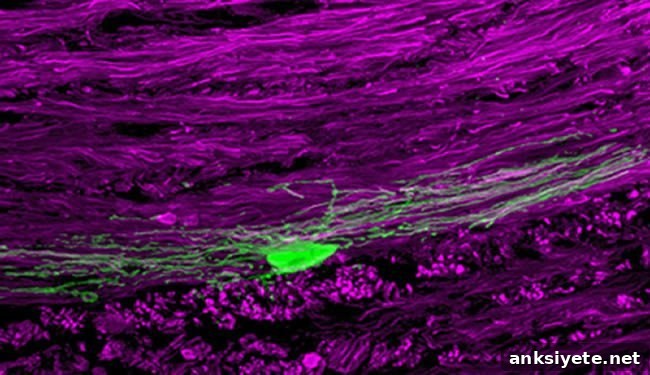
Our bodies contain countless microscopic defenders and repair systems—antibodies, regenerative cells, and structural components that keep organs functioning. Among these is myelin, the insulating sheath that wraps around nerve cell axons to speed electrical signaling. In demyelinating diseases such as multiple sclerosis (MS), myelin and the specialized myelin-producing cells called oligodendrocytes become damaged or lost. … Read more

Methylene Blue May Boost Short-Term Memory

featured 32632

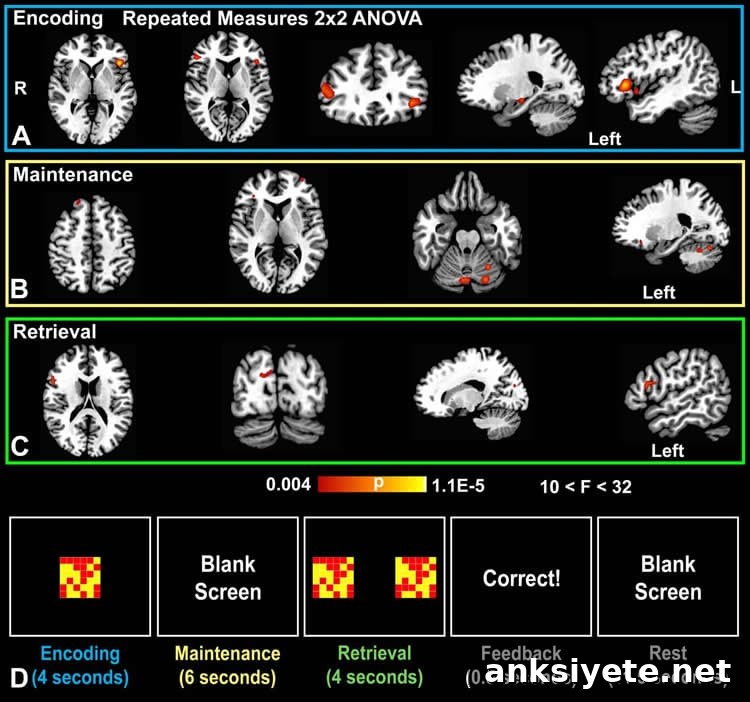
Summary: Researchers report that a single low oral dose of methylene blue can enhance short-term memory and sustained attention, as shown by increased brain activity on functional MRI. Source: RSNA A new randomized, double-blind, placebo-controlled study published in Radiology finds that a single oral low dose of methylene blue increases MRI-measured activity in brain regions … Read more

Epigenetic Research Uncovers Key Mechanisms in Alzheimer’s

featured 15639

Researchers from the University of Exeter Medical School and King’s College London have produced some of the clearest evidence to date that epigenetic changes in the brain are linked to Alzheimer’s disease. Epigenetic modifications alter how genes are expressed without changing the underlying DNA sequence. These changes are one way the environment can influence the … Read more

How Chronic Pain Rewires Genes Through Epigenetics

featured 32577

Summary: New Drexel University research shows a single protein can reshape gene expression across many pain-related pathways. Source: Drexel University Chronic pain is a widespread, disabling and costly public health issue in the United States. It affects more than 100 million Americans, with annual costs estimated at $635 billion, according to an American Pain Society … Read more