Why People Trust Those Raised in Modest Homes

featured 110327

Summary: New research finds that people are more likely to place trust in others who were raised in lower-income households than in those who grew up with financial advantages. Across multiple experiments with nearly 2,000 participants, people consistently showed greater behavioral trust toward individuals described as having modest upbringings, and they perceived those individuals as … Read more
Single Nucleotide Mutation Rewires Brain and Alters Behavior

featured 110323

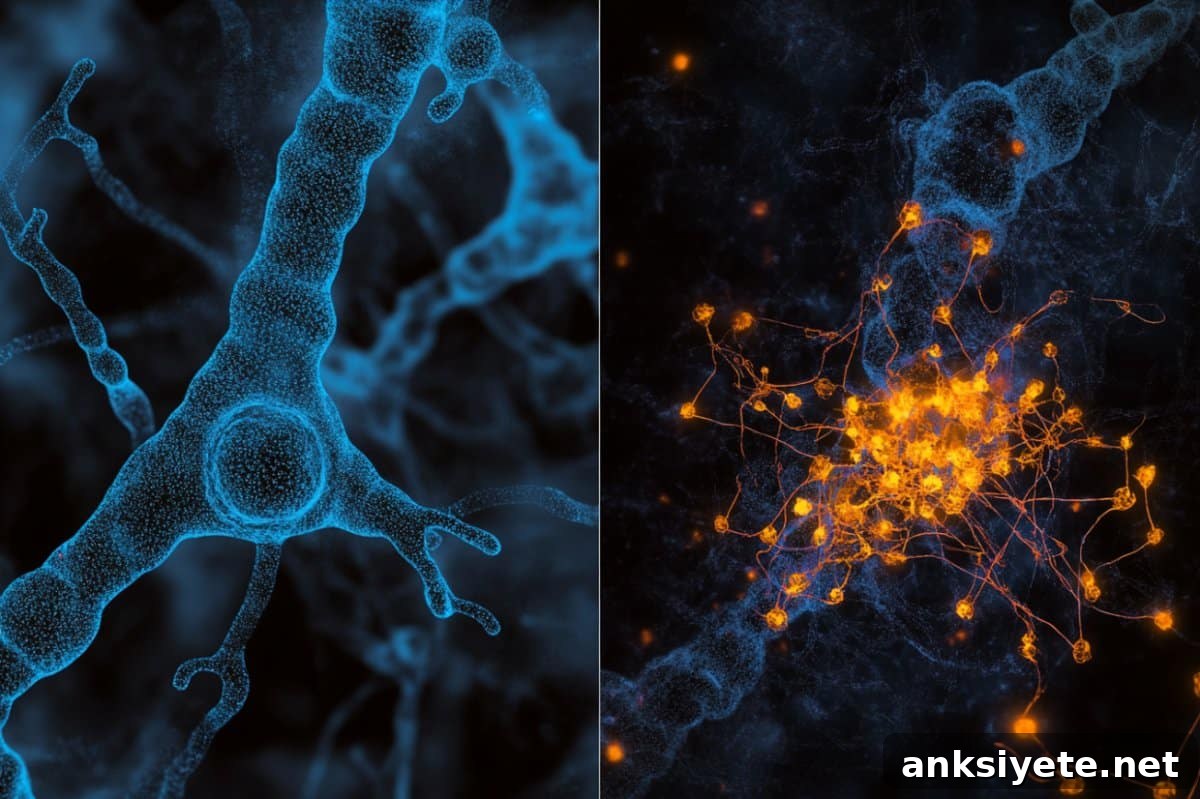
Summary: A tiny genetic segment called mini-exon B plays an outsized role in how neurons build excitatory synapses, new research shows. Deleting this four–amino-acid piece from the synapse-organizing protein PTPδ disrupts synaptic balance, impairs early survival in mice, and produces anxiety-like behaviors, revealing how subtle alternative splicing events can shape brain wiring and behavior. Mini-exon … Read more

Infrared Contact Lenses Let Humans See in the Dark

featured 110319

Summary: Researchers have engineered soft contact lenses that let humans and mice perceive near-infrared (NIR) light by converting it into visible wavelengths. The lenses embed specialized upconversion nanoparticles into standard soft contact materials, allowing wearers to detect flickering infrared signals without an external power source. This non-invasive wearable approach preserves normal vision while adding the … Read more

Why Toddlers’ Overimitation Doesn’t Prove Social Bonding

featured 110314

Summary: Overimitation — the tendency to copy unnecessary or irrelevant actions — has been well documented in preschoolers but has been little studied in infants under two years old. A recent Concordia University study tested 16–21-month-old children and found that overimitation was infrequent in this age group and did not appear to be motivated by … Read more

Blood Test Predicts Depression Risk in Teens

featured 110300

Summary: Researchers have identified nine blood-based microRNAs that are elevated in adolescents diagnosed with depression, offering a promising biomarker for earlier, more objective detection. These microRNAs were not observed in adult studies of depression, suggesting they may reflect biological processes specific to the adolescent brain. The study used a minimally invasive dried blood spot method, … Read more

New Study: AI Surpasses Humans in Emotional Intelligence

featured 110296

Summary: A new study evaluated whether artificial intelligence can display emotional intelligence by putting six generative AIs, including ChatGPT, through standard emotional intelligence (EI) assessments. On average, the AIs scored 82% correct, substantially higher than the 56% average reported for human participants. The evaluated systems not only selected emotionally appropriate responses with strong accuracy but … Read more

Long-Term Antidepressant Use Linked to More Severe Withdrawal

featured 110292

Summary: A new UCL-led study shows that people who take antidepressants for more than two years are far more likely to experience withdrawal symptoms when they stop the medication. The study found that longer duration of use is associated with greater likelihood, severity, and persistence of withdrawal symptoms: among long-term users, 64% reported moderate or … Read more

Study Links Gut Inflammation to Long COVID Fatigue

featured 110288

Summary: New research reveals a clear connection between gut health and post-COVID syndrome (PCS). The study finds that people with prior gastrointestinal issues are more likely to develop persistent post-viral fatigue. Analysis of blood, saliva and stool from PCS patients uncovered immune and gut-related biomarkers that point to ongoing inflammation and impaired intestinal barrier function. … Read more

Study Finds Social Media Use Increases Depression Risk

featured 110284

Summary: A new longitudinal study from the University of California, San Francisco (UCSF) indicates that rising social media use among preteens is associated with an increase in depressive symptoms, and that the opposite — depression leading to more social media time — was not observed. The research tracked nearly 12,000 children over three years and … Read more

Gene Linked to Increased Light Sensitivity in Migraine Patients

featured 110280

Summary: Researchers have identified a brain molecule called NEAT1 that appears to drive light sensitivity (photophobia), a frequent and painful symptom of migraine. NEAT1 shifts the molecular balance that normally keeps pain signaling in check by sequestering a microRNA, miR-196a-5p, which allows higher expression of the pain-related channel TRPM3. In mouse models, blocking NEAT1 or … Read more