Small Brain Cell Cluster Triggers Overeating and Obesity

featured 110498

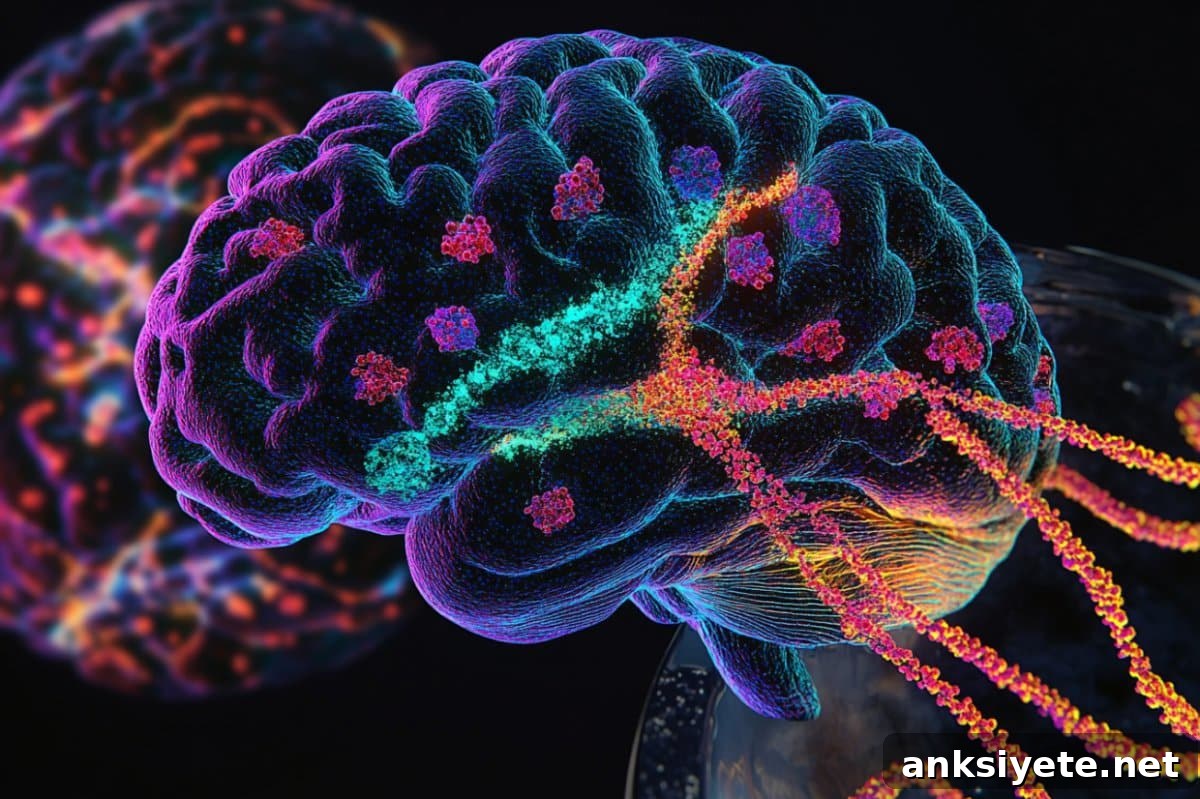
Summary: Researchers have identified a compact, specialized population of neurons in the mouse hypothalamus that directly regulate feeding and body weight. These PNOC/NPY neurons increase food intake when activated and are also present in the human brain. A small subset of these cells carries leptin receptors; removing those receptors causes mice to overeat and gain … Read more


Lifelong Depression Raises Dementia Risk, Study Finds

featured 110494

Summary: A major new analysis shows that depression substantially raises the likelihood of developing dementia whether it begins in midlife or later life. Researchers combined and re-analysed data from multiple studies to determine how the timing of depression affects later dementia risk. The results indicate that depression in later life may not only increase risk … Read more

Why Some Bosses Yell: It’s About Control, Not Just Stress

featured 110490

Summary: New research reveals that some supervisors intentionally shout at employees—not from stress or burnout, but as a deliberate tactic to increase compliance and reaffirm their authority. Unlike leaders who lash out and later feel remorse, these supervisors report feeling satisfied after the incident. The study shows that, for a subset of managers, abusive behavior … Read more

Designer Peptide Targets Glioblastoma Stem Cells

featured 110486

Summary: Researchers at Virginia Tech’s Fralin Biomedical Research Institute have developed a lab-designed peptide, JM2, that shows promise for preventing glioblastoma recurrence by targeting the tumor’s most treatment-resistant cells. The team found that glioblastoma stem-like cells depend on an interaction between the protein connexin 43 and microtubules, and JM2 disrupts this interaction. In laboratory experiments … Read more

How Caffeine Alters Sleep Brainwaves and Delays Recovery

featured 110478

Summary: A new study finds that caffeine alters brain activity during sleep by increasing the complexity and “criticality” of neural signals, with the strongest effects seen in younger adults. Using EEG recordings combined with machine learning, researchers compared sleep after caffeine versus placebo and observed less predictable brain patterns and a shift toward wake-like rhythms … Read more

How Brainwide Timing Patterns Reveal the Origins of Emotions

featured 110473

Summary: Emotions steer our behavior, but when they are mistimed or persist too long they can contribute to psychiatric illness. In a landmark study, researchers mapped brain-wide activity evoked by a mildly aversive but medically safe sensory stimulus—brief air puffs to the eye—in both human patients and mice. They identified a consistent two-phase neural response: … Read more

How Modeling the Brain’s Vesicle Cycle Reveals Synaptic Secrets

featured 110469

Summary: A new computational model maps the brain’s synaptic vesicle cycle with unprecedented molecular and spatial resolution, offering fresh insight into how nerve cells communicate. Researchers simulated the detailed behavior of vesicles—tiny membrane-bound sacs that release neurotransmitters—to reveal how they are managed inside synapses during normal and high-frequency neural activity. The model identifies how key … Read more

How Seasonal Sunlight Continues to Shape Human Sleep

featured 110465

Summary: Despite widespread use of electric lighting and indoor living, human sleep and circadian rhythms remain strongly influenced by seasonal changes in daylight. New research from the University of Michigan shows that our internal clocks track shifts in day length across seasons, affecting sleep timing, mood, and health. By combining wearable sleep data from medical … Read more

How Personality and Family Shape Athletes’ Self-Image

featured 110461

Summary: A new study of Japanese undergraduates finds that students’ perceptions of their own athletic ability are shaped by a mix of personality traits, childhood environment, family background, and social feedback. Students who rated themselves as more athletic also tended to show higher levels of grit, resilience, and a growth mindset, and reported more sports … Read more

Wearable Device Tracks Brain Waste Clearance in Real Time

featured 110457

Summary: Researchers have developed a wearable, noninvasive device that continuously monitors the brain’s glymphatic system — the clearance network that removes waste and supplies nutrients to brain tissue — across sleep stages. Previously measurable only with MRI, this new head-cap with embedded electrodes records fluid shifts, neural activity, and vascular changes to track glymphatic function … Read more