Daytime Sleepiness in Middle Age Linked to Higher Mortality

featured 110595

Summary: A large retrospective study of more than 40,000 female veterans found that excessive daytime sleepiness is linked to a higher risk of death from any cause in women aged 50–65. After adjusting for demographic and health-related factors, women in this midlife group who scored highly on the Epworth Sleepiness Scale had a 16% greater … Read more


Self-Powered Synapse Enables Human-Like Vision for On-Device AI

featured 110591

Summary: Researchers have created a self-powered artificial synapse that can recognize colors with near-human precision. Unlike conventional systems that require external power and heavy data processing, this device mimics aspects of biological vision and generates its own electricity using dye‑sensitized solar cells. Capable of distinguishing color differences as small as 10 nanometers across the visible … Read more

Midlife Caffeine Linked to Reduced Risk of Age-Related Disease

featured 110587

Summary: A large, long-term study following nearly 50,000 women for three decades found that drinking caffeinated coffee in midlife was associated with better overall aging. Women who consumed regular coffee were more likely to reach older age free of major chronic disease, maintain physical function, and avoid cognitive decline compared with those who drank less … Read more

Board Game Lets People with Autism Share Emotions with Images

featured 110583

Summary: A recent study suggests the storytelling board game Dixit can help autistic people express thoughts and feelings. By choosing evocative illustrated cards and explaining their choices, participants conveyed personal experiences and discussed complex topics such as identity, anxiety, strengths, and social misunderstanding. Autistic participants used the game to communicate both challenges and strengths, and … Read more

Blocking Brain Inflammation Molecule Could Halt Alzheimer’s

featured 110579

Summary: Researchers have identified the immune molecule STING as a surprising driver of Alzheimer’s disease progression. The study shows that STING, which normally helps the brain respond to DNA damage and infection, becomes overactive with age and fuels damaging inflammation that accelerates neuronal injury. In mouse models, inhibiting STING reduced hallmark Alzheimer’s pathology and preserved … Read more

Why People Form Emotional Attachments to AI and Chatbots

featured 110571

Summary: As artificial intelligence becomes more integrated into everyday life, researchers are examining whether people form attachment-like bonds with AI similar to human interpersonal relationships. A new study from Waseda University introduces a validated scale to measure emotional tendencies toward AI and identifies distinct patterns—some users seek reassurance and closeness from AI, while others prefer … Read more

How Rhythm Rewires Your Brain in Real Time

featured 110563

Summary: Hearing a steady rhythm does more than register sound — it reshapes how the brain organizes activity in real time. A new neuroimaging approach called FREQ-NESS (Frequency-resolved Network Estimation via Source Separation) reveals how distinct brainwave frequencies form dynamic, spatially distributed networks that adapt to external rhythms and internal states. Instead of treating alpha, … Read more

Inhibitory Neurons Drive Spatial Learning and Memory

featured 110559

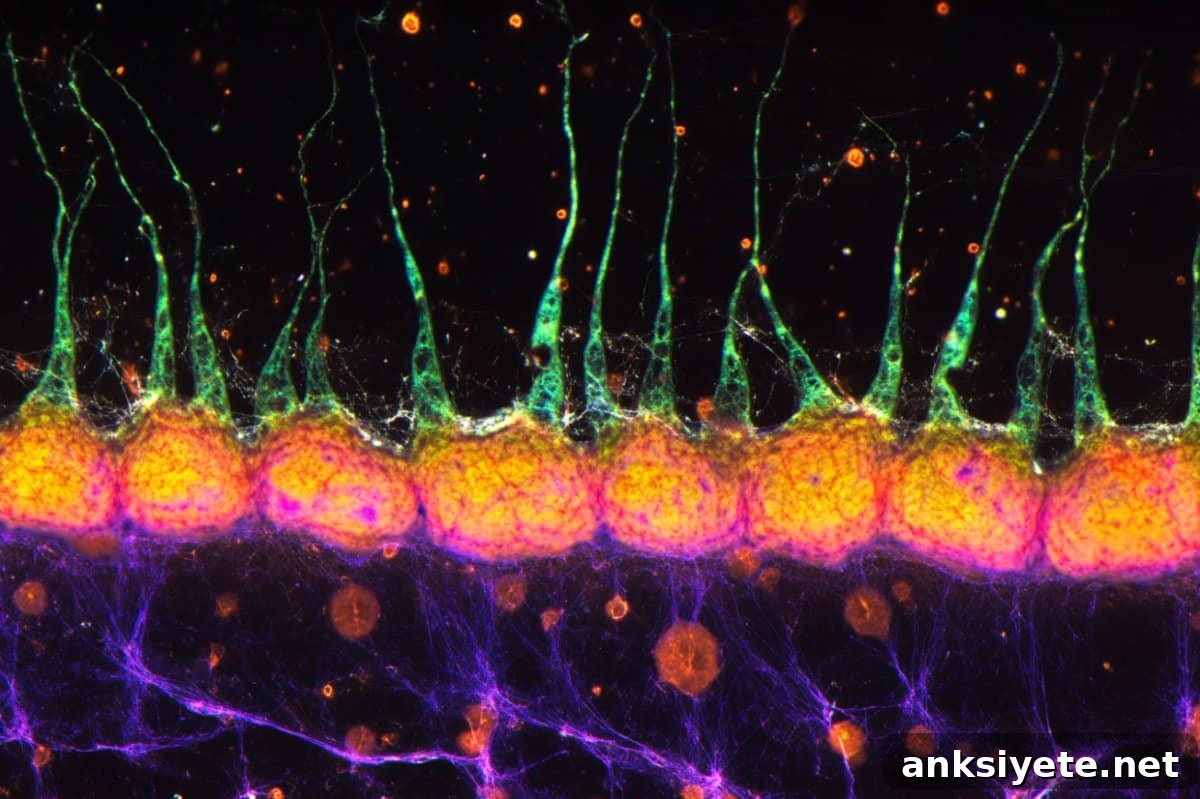
Summary: A new study reveals how the brain rapidly learns and remembers important places by highlighting the role of inhibitory neurons called parvalbumin interneurons (PVs) rather than focusing only on excitatory cells. These PVs act like circuit breakers that temporarily reduce their activity at key moments, allowing memory-related excitatory neurons to strengthen connections and encode … Read more

How Kindness Boosts Cooperation by Strengthening Social Bonds

featured 110547

Summary: New research shows that everyday acts of kindness—small gestures such as using a warm tone, smiling, and actively listening—significantly improve teamwork and increase people’s willingness to cooperate. These simple behaviors foster a sense of social connectedness that links niceness to greater collaboration. Across two studies, people who reported acting more kindly experienced higher satisfaction … Read more

New Brain Molecule Switches Sleep and Wake

featured 110543

Summary: Scientists investigating the tiny roundworm Caenorhabditis elegans have identified an unexpected mechanism in which a single chemical signal both initiates sleep and terminates it. The neuropeptide FLP-11 binds to the receptor DMSR-1 on distinct neurons to silence wake-promoting cells or to self-inhibit the sleep neuron, functioning like a biological on-off switch for sleep. This … Read more