
The Center for Nanoparticle Research has developed mitochondria-targeting ceria nanoparticles (CeO2 NPs) that can reduce neuronal cell death in experimental models of Alzheimer’s disease.
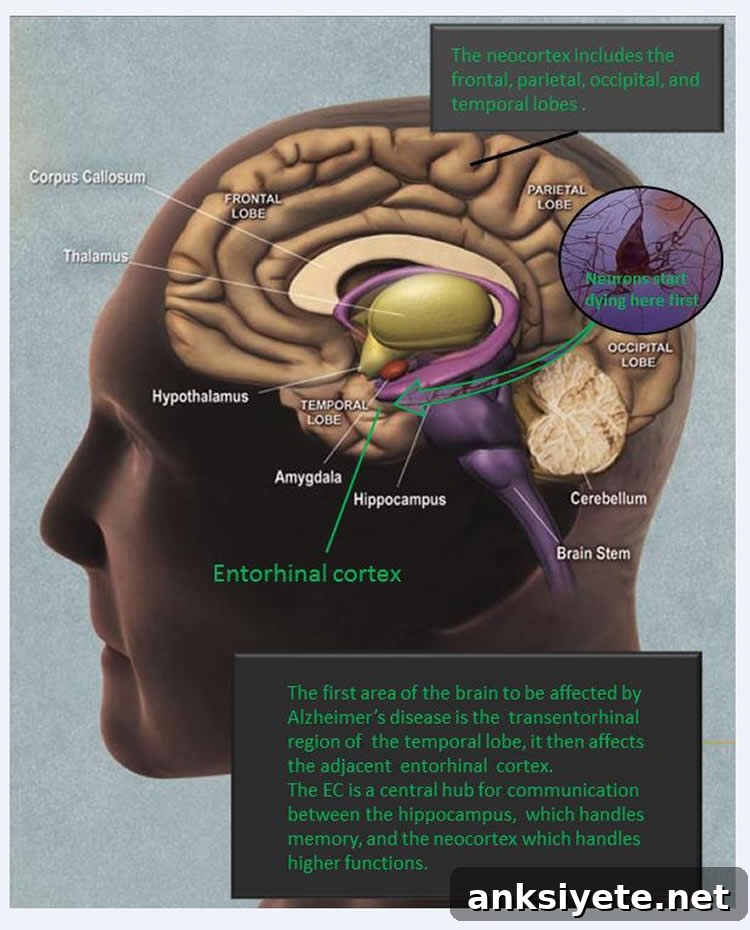
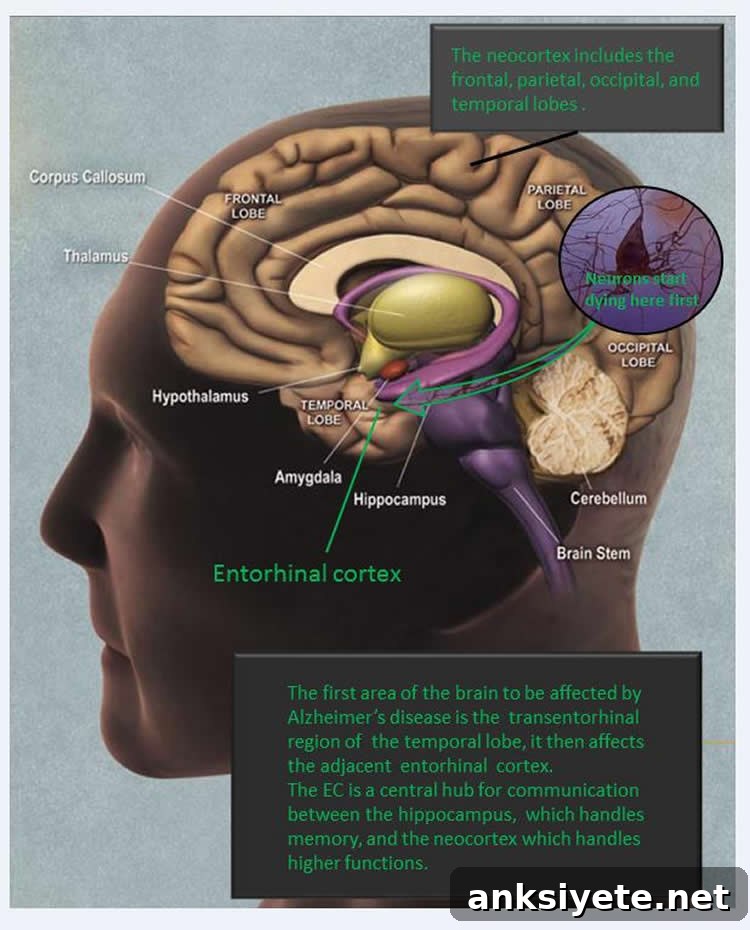
The human brain contains more than 100 billion neurons and an estimated 100 trillion synaptic connections. These connections transmit electrical signals and neurotransmitters that form memories, thoughts, and emotions. In Alzheimer’s disease (AD), this intricate network is progressively damaged. Two hallmark pathologies—amyloid-beta (Aβ) plaques and neurofibrillary tangles formed by tau protein—disrupt synaptic signalling, promote inflammation, and eventually lead to neuronal loss. Aβ can aggregate into plaques that block communication between neurons and activate immune responses that damage tissue, while tau tangles destabilize intracellular transport systems, starving neurons of essential proteins and nutrients.
How Alzheimer’s damages the brain
Under healthy conditions, microtubule tracks inside neurons maintain cellular transport, delivering nutrients and proteins where they are needed. Tau protein stabilizes these tracks. In AD, tau becomes dysfunctional, microtubules collapse, and intracellular transport fails. As transport breaks down, neurons are deprived of essential components and eventually die. This progressive degeneration underlies the cognitive decline in AD, including short-term memory loss, impaired reasoning, and emotional changes that alter a person’s personality. Over time, widespread neuronal death causes significant brain atrophy and loss of numerous brain functions.
Targeting mitochondrial oxidative stress
Mitochondria, the cell’s energy generators, are critical for neuronal survival. Mitochondrial dysfunction leads to abnormal production of reactive oxygen species (ROS), which damage proteins, lipids, and DNA. Excessive mitochondrial ROS is implicated in neuronal cell death and is considered a contributing factor in AD pathology. Ceria (CeO2) nanoparticles are known antioxidants that can scavenge ROS repeatedly by cycling between Ce3+ and Ce4+ oxidation states. Delivering ceria nanoparticles directly to mitochondria offers a promising strategy to reduce oxidative stress where it matters most.
Mitochondria-targeting ceria nanoparticles suppress neuronal death
Researchers at the Institute for Basic Science (IBS) Center for Nanoparticle Research, led by director Taeghwan Hyeon and collaborating with the group of Professor Inhee Mook-Jung at Seoul National University, designed triphenylphosphonium-conjugated ceria nanoparticles that selectively accumulate in mitochondria. Triphenylphosphonium is a mitochondria-targeting moiety that helps guide nanoparticles across membranes and concentrate them within the organelle. The team tested these mitochondria-targeting CeO2 NPs in a 5XFAD transgenic mouse model of Alzheimer’s disease.
Two months after systemic administration, the mitochondria-localized ceria nanoparticles significantly reduced neuronal death and improved neuronal viability in treated animals. The treatment ameliorated markers of reactive gliosis and reduced morphological mitochondrial damage observed in the AD model. Importantly, the total accumulation of Aβ plaques did not differ substantially between treated and untreated mice, indicating that the nanoparticles mitigated neuronal damage through modulation of mitochondrial oxidative stress rather than by directly clearing Aβ deposits. The authors concluded that mitochondria-targeting ceria nanoparticles represent a promising therapeutic candidate to counteract mitochondrial oxidative-stress-induced damage in Alzheimer’s disease.
Implications and next steps
This work highlights the therapeutic potential of combining nanotechnology and neuroscience to address mitochondrial dysfunction in neurodegenerative disease. By directing recyclable antioxidant nanoparticles to mitochondria, researchers demonstrated that reducing organelle-specific ROS can protect neurons in an established AD model, even without altering Aβ plaque burden. Further preclinical studies will be needed to evaluate long-term efficacy, dosing, safety, and the potential to translate this approach to human treatment. Nonetheless, the study provides a compelling proof of concept that mitochondrial antioxidants delivered by targeted nanoparticles can slow or prevent specific pathways of neuronal degeneration associated with Alzheimer’s disease.
Source: Dahee Carol Kim – Institute for Basic Science (IBS)
Image Credit: IBS
Original Research: “Mitochondria-Targeting Ceria Nanoparticles as Antioxidants for Alzheimer’s Disease” published in ACS Nano by Hyek Jin Kwon, Moon-Yong Cha, Dokyoon Kim, Dong Kyu Kim, Min Soh, Kwangsoo Shin, Taeghwan Hyeon, and Inhee Mook-Jung. Published online February 4, 2016.
Abstract
Mitochondria-Targeting Ceria Nanoparticles as Antioxidants for Alzheimer’s Disease
Mitochondrial oxidative stress is a key pathological factor in neurodegenerative diseases such as Alzheimer’s disease. Abnormal generation of reactive oxygen species (ROS) from mitochondrial dysfunction can lead to neuronal death. Ceria (CeO2) nanoparticles act as strong, recyclable ROS scavengers by cycling between Ce3+ and Ce4+ oxidation states. Targeting these nanoparticles selectively to mitochondria may therefore offer a therapeutic strategy. The study reports triphenylphosphonium-conjugated ceria nanoparticles that localize to mitochondria and reduce neuronal death, reactive gliosis, and mitochondrial morphology defects in a 5XFAD transgenic AD mouse model. The data support mitochondria-targeting ceria nanoparticles as a potential therapeutic candidate for mitigating mitochondrial oxidative stress in Alzheimer’s disease.