
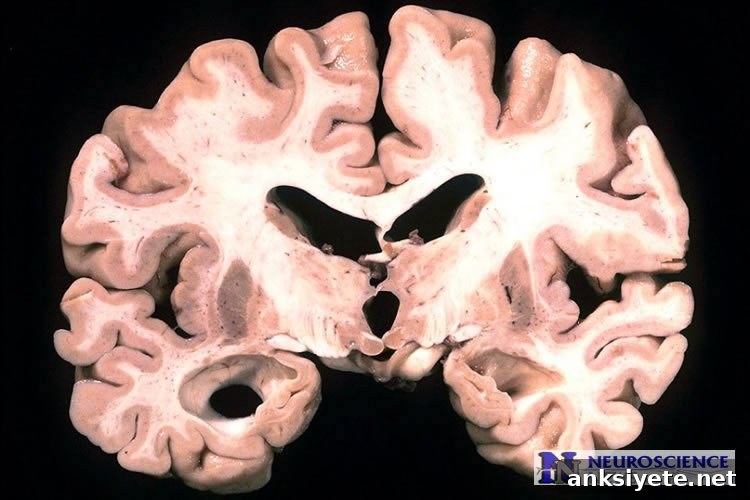
Studies may provide insight into novel therapeutic approaches targeting formation of tau pathology that drives degeneration.
Researchers have identified a newly characterized pathway that contributes to neurodegeneration in Alzheimer’s disease (AD), a discovery that could point toward fresh therapeutic strategies. The work, published in the journal Cell Reports, examines how the tau protein interacts with cellular stress responses to promote the pathological changes that underlie neuronal loss in AD.
The study focuses on tau, a protein long implicated in Alzheimer’s disease through its tendency to misfold and aggregate within neurons. New findings reveal that tau actively participates in the assembly of stress granules—transient molecular complexes that neurons form to cope with adverse conditions, such as injury or metabolic challenge. Under normal circumstances, stress granules form briefly and help cells conserve resources by shifting translation away from specialized proteins and toward protective proteins. However, when stress is sustained, the interaction between tau and stress granules becomes maladaptive, and persistent tau-containing granules contribute to neuronal degeneration.
Benjamin Wolozin, MD, PhD, a researcher at Boston University School of Medicine (BUSM), explains that tau’s behavior changes during disease: it is chemically modified, relocates from the axon to the neuronal cell body, and then aggregates. In healthy neurons, tau predominantly resides in the axon, the long projection that transmits electrical signals away from the cell body. The study shows that relocalization of tau into the cell body helps trigger stress granule formation as a protective response. While this response is beneficial when short-lived, chronic stress conditions—such as ongoing vascular problems or the persistent presence of beta-amyloid deposits—drive continual stress granule formation. Over time, this leads to excessive accumulation of stress granules that contain aggregated tau and ultimately contributes to neuronal damage.
“Surprisingly,” says Wolozin, professor of pharmacology and neurology, “the association of tau with stress granules also caused tau to cluster.” Most stress responses are transient and resolve without long-term consequence, but chronic insults—like vascular disease or the gradual buildup of extracellular beta-amyloid that characterizes AD—sustain stress granule formation. This chronic state promotes the persistent coalescence of stress granules and tau aggregation, which damages neuronal structure and function and leads to the degeneration observed in Alzheimer’s disease.
Importantly, the research team identified a potentially actionable node in this pathway. They found that reducing levels of a key stress granule protein, TIA1, blocked tau aggregation and protected neurons from degeneration in their experimental systems. While these results are still in the early stages, they suggest that targeting components of the stress granule machinery could represent a novel strategy to prevent or slow tau-driven neurodegeneration in Alzheimer’s disease.
These findings provide both mechanistic insight and a proof of principle that modulating stress granule dynamics can influence tau pathology. The study reinforces the concept that tau pathology is not solely an intrinsic problem of tau misfolding but can be driven by pathological interactions with normal cellular stress-response pathways. This perspective broadens the range of therapeutic targets, opening opportunities to develop compounds that either prevent harmful tau relocalization, reduce key stress granule proteins like TIA1, or otherwise normalize stress granule behavior in chronically stressed neurons.
Wolozin and colleagues are now planning experiments to test these concepts in animal models of Alzheimer’s disease to evaluate whether manipulating stress granule components can reduce tau aggregation, preserve neuronal health, and improve cognitive outcomes. These follow-up studies will be critical to determine the translational potential of the approach and to identify safe and effective ways to intervene in human disease.
Funding: Funding for this study was provided by the BrightFocus Foundation, the Alzheimer Association, the Cure Alzheimer’s Fund and the National Institute of Health.
Note a Conflict of Interest:
Benjamin Wolozin is Co-Founder of Aquinnah Pharmaceuticals Inc.
Source: Gina DiGravio – Boston University Medical Center
Image Source: The image is in the public domain.
Original Research: The study will appear in Cell Reports.