
For nearly a century, researchers have studied brain waves to better understand mental health and cognitive processes. Yet how billions of interconnected neurons collectively generate the rhythmic electrical patterns known as brain waves has remained unclear. In a new study published in Neuron on July 24, scientists from EPFL’s Blue Brain Project in Switzerland and the Allen Institute for Brain Science in the United States use a highly detailed computer model to shed light on this longstanding mystery.
The brain contains many distinct neuron types, each producing electrical signals. Electrodes placed on the scalp or directly in brain tissue record the aggregate of this electrical activity—electroencephalography (EEG) and local field potential signals. But what precise combination of neuron structure, membrane properties, synaptic interactions, and network connectivity gives rise to the brain waves measured in mammals?
Modeling Brain Circuitry
The Blue Brain Project aims to build biologically realistic models of brain circuits. For now, the team focuses on rodent tissue, characterizing neuron types in fine detail: their electrical properties, morphology, size, and patterns of connectivity. Combining this experimental data with advanced simulation tools, the researchers constructed a large-scale, biophysically detailed model of a cortical circuit that includes roughly 12,000 neurons.
“It is the first time that a model of this complexity has been used to study the underlying properties of brain waves,” says EPFL scientist Sean Hill. The simulation integrates a wealth of physical, chemical and biological parameters for each neuron. Running on supercomputing facilities, it generates electrical activity across the circuit that can be analyzed at spatial and temporal resolutions not possible with conventional in vivo or in vitro recordings.
Because monitoring every single neuron simultaneously in living tissue is impractical, the model provides a unique vantage point. It allows researchers to correlate single-neuron behavior and membrane dynamics with emergent signals like local field potentials and EEG-like waveforms. This multiscale perspective helps interpret laboratory measurements by connecting observable waves to specific cellular mechanisms.
Finding brain wave analogs
Neurons behave like tiny batteries that must be charged to produce an electrical impulse called a spike. Spiking occurs when charged particles—ions—move through ion channels in the neuronal membrane. These channels regulate the flow of current, and active membrane properties shape how neurons integrate inputs and generate outputs. The summed activity of many neurons and their dendritic currents produces the extracellular voltage fluctuations recognized as brain waves.
A critical challenge for the team was incorporating thousands of parameters per neuron—ion channel distributions, dendritic morphology, synaptic properties—into a cohesive simulation. When they ran the model, the global electrical activity emerging from the 12,000-neuron network resembled wave patterns observed in rodent experiments, providing clues about the biological origin of those waves.
“Our model is still incomplete, but the electrical signals produced by the computer simulation and what was actually measured in the rat brain have some striking similarities,” says Allen Institute scientist Costas Anastassiou. The researchers highlight the contribution of active membrane currents on dendritic branches as an essential factor shaping the waveform of recorded signals.
“For the first time, we show that the complex behavior of ion channels on the branches of the neurons contributes to the shape of brain waves,” Hill adds. The model clarifies how cellular-level currents and network interactions combine to produce characteristic features of local field potentials and EEG signals.
There remain limitations and unanswered questions. The simulated circuit models neurons linked to hind-limb control, while some in vivo comparison data come from neurons associated with whisker control in rodents. Differences in functional circuits and recording conditions mean the model is not yet a perfect replica of any specific experimental dataset. Nevertheless, it enables quantitative characterization of how single neurons and microcircuits generate measurable extracellular signals.
The team is expanding simulations to larger and more realistic circuits to test whether the observed principles generalize across cortical regions and behavioral states. These efforts bridge cellular biophysics and cognitive neuroscience by translating single-neuron behavior into the language of macroscopic brain signals.
By linking detailed neuronal models to recorded brain waves, this work opens new paths for interpreting EEG and local field potential measurements. Ultimately, such mechanistic insight could improve tools for diagnosing neurological and psychiatric disorders and deepen our understanding of how neural circuits produce perception and cognition.
Notes about this neuroscience and brain modeling research
Contact: Hillary Sanctuary – Ecole Polytechnique Fédérale de Lausanne (EPFL)
Source: Ecole Polytechnique Fédérale de Lausanne press release
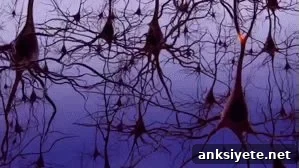
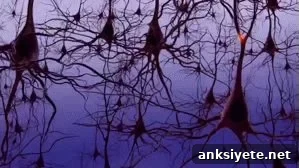
Image source: Human neuron illustration credited to the National Institute on Aging, from the educational movie “Inside the Brain: Unraveling the Mystery of Alzheimer’s Disease,” shared by 7mike5000 (Creative Commons Attribution-Share Alike 3.0).
Original research: Abstract for “A Biophysically Detailed Model of Neocortical Local Field Potentials Predicts the Critical Role of Active Membrane Currents” by Michael W. Reimann, Costas A. Anastassiou, Rodrigo Perin, Sean L. Hill, Henry Markram and Christof Koch in Neuron. Published online July 24, 2013, doi:10.1016/j.neuron.2013.05.023.