
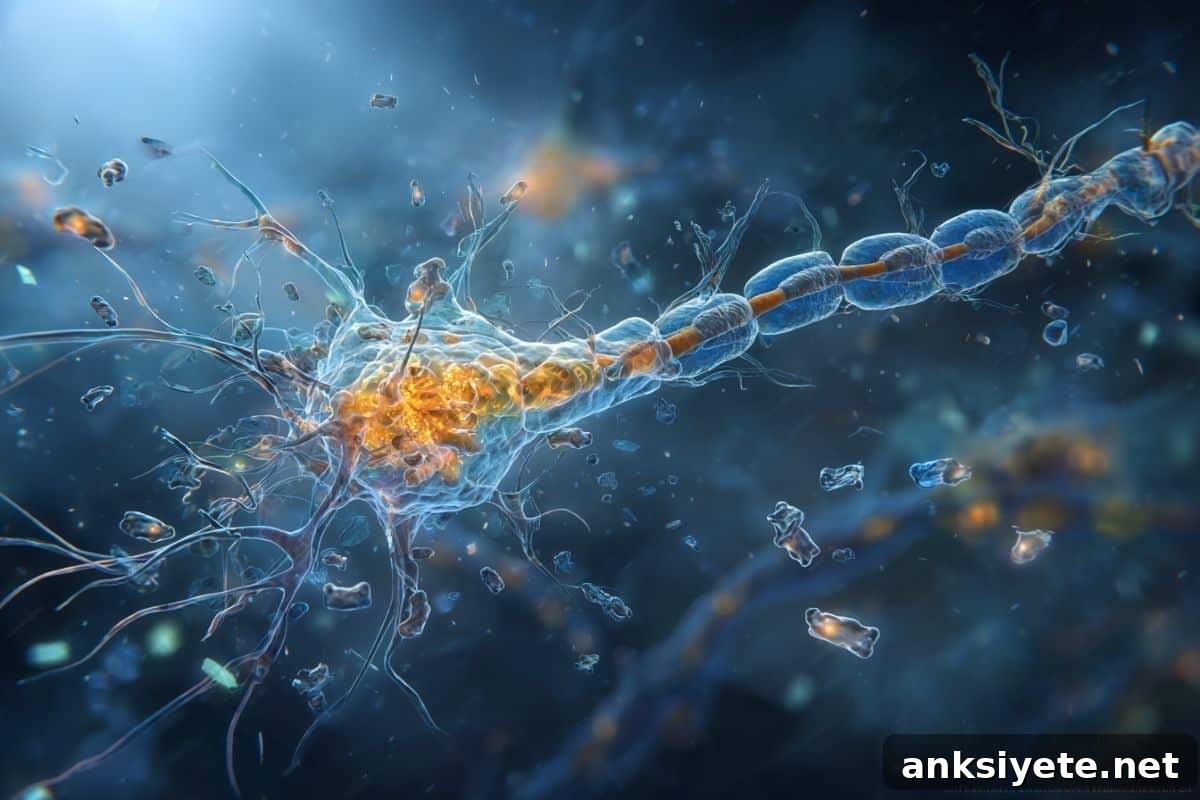
Summary: Researchers have identified a mechanism by which nanoplastics disrupt energy metabolism in the brain, offering new insights into how environmental pollution may contribute to neurodegeneration. The polystyrene nanoplastics tested interfered with mitochondrial electron transfer and reduced ATP production in both general and synaptic mitochondria, processes essential for healthy brain function.
Because mitochondrial energy systems are central to neuronal health, these results point to a potential environmental factor in rising rates of neurological disease and age-related cognitive decline. The study highlights concerns about long-term human exposure to nanoplastics and possible effects on memory and learning.
Key Facts
- Energy disruption: Polystyrene nanoplastics (PS-NPs) impair electron transport needed for ATP production.
- Synaptic impact: Effects were observed in synaptic mitochondria, which support communication, plasticity, and memory.
- Environmental risk: Findings add an environmental dimension to known genetic and lifestyle risk factors for neurodegenerative disease.
Source: TCD
Overview
Scientists at Trinity College Dublin have shown, in an animal model, how nanoscale plastic particles can interfere with mitochondrial function in brain cells. Led by Dr Gavin Davey and undergraduate researcher Devin Seward from the School of Biochemistry and Immunology, the team isolated mitochondria from rat brains and directly tested the effects of polystyrene nanoplastics (PS-NPs) on their bioenergetic function.
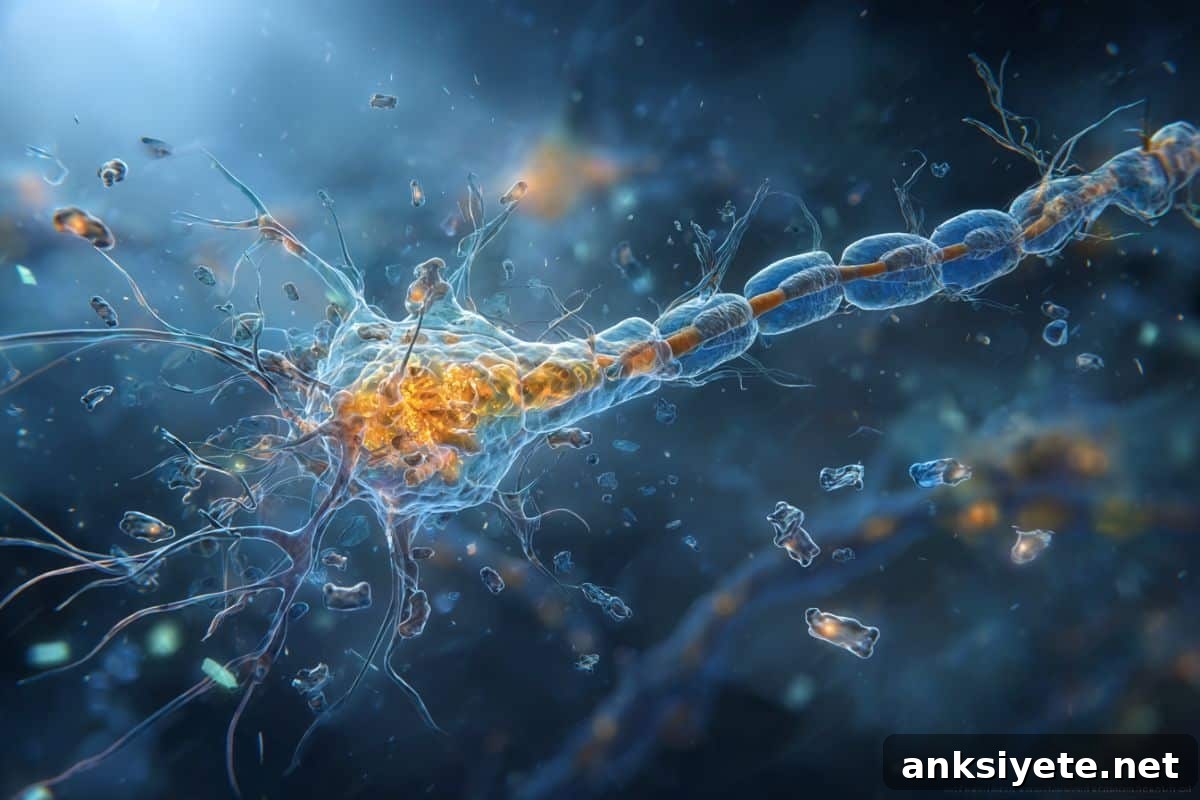
Polystyrene nanoplastics are generated when larger plastics fragment in the environment. Traces of these tiny particles have been found in multiple organs, including the brain, which has prompted concern about their potential role in neurological disorders. Mitochondrial dysfunction is a common feature of neurodegenerative diseases such as Parkinson’s and Alzheimer’s, and is also associated with normal ageing. The Trinity College study therefore targeted mitochondria as a likely site of nanoplastic toxicity.
By measuring oxygen consumption and the activity of the mitochondrial electron transport chain, the researchers found that PS-NPs strongly impaired electron flow between key complexes. While the isolated activities of complex I and complex II remained largely intact, the transfer of electrons from complex I to complex III and from complex II to complex III was significantly reduced. Activity at complex IV was also inhibited. These disruptions lowered the mitochondria’s ability to produce ATP, the cell’s main energy currency.
Some experimental concentrations in the study were higher than current estimates of typical human exposure. However, the team observed potent inhibition of electron transfer at lower concentrations as well, indicating that chronic, environmentally relevant exposures could plausibly impair mitochondrial bioenergetics over time.
Importantly, the same pattern of electron transfer inhibition appeared in synaptic mitochondria, which are located at neuronal connections and support rapid energy demands required for neurotransmission and plastic changes. Disruption of synaptic mitochondrial function therefore raises the possibility that nanoplastics could negatively affect synaptic plasticity, a cellular process essential for learning and memory.
Dr Gavin Davey, based at the Trinity Biomedical Sciences Institute, commented that the increase in synthetic plastic production since the mid-20th century has coincided with growing human exposure to nanoplastics. He suggested that the newly described mitochondrial mechanism of nanoplastic-induced neurotoxicity may add an environmental layer to the established genetic and lifestyle risk factors thought to underlie rising rates of neurodegenerative disease.
The project originated in 2023 as an undergraduate research idea from Devin Seward, who carried out the work in Dr Davey’s laboratory with support from a Laidlaw Undergraduate Research and Leadership scholarship. The study emphasizes both the health implications of plastic pollution and the value of student-led research programs.
About this neuroscience research news
Author: Thomas Deane
Source: TCD
Contact: Thomas Deane, Trinity College Dublin
Image credit: Neuroscience News
Original research: Open access. Title: “Polystyrene nanoplastics target electron transport chain complexes in brain mitochondria” by Gavin Davey et al. DOI: 10.1016/j.hazmp.2025.100003
Abstract
Polystyrene nanoplastics target electron transport chain complexes in brain mitochondria
Polystyrene nanoplastics (PS-NPs), formed from the breakdown of larger plastic debris, have been detected in multiple tissues including the brain, prompting concerns about their neurotoxic potential. Mitochondrial dysfunction is a hallmark of neurodegenerative disease, ageing, and exposure to classic neurotoxins. This study examined the effects of PS-NPs on both non-synaptic and synaptic mitochondria isolated from rat brains.
Exposure to PS-NPs significantly reduced oxygen consumption by selectively impairing electron flow between complexes I–III and II–III, as well as inhibiting complex IV. Individual complex I or II activities were not significantly affected, indicating that PS-NPs disrupt electron transfer between complexes rather than the intrinsic activity of those complexes. Similar inhibitory effects were observed in synaptic mitochondria, suggesting potential consequences for synaptic plasticity and neuronal communication.
Overall, these findings reveal a mitochondrial mechanism for PS-NP–induced neurotoxicity and underscore the need to further investigate how environmental pollutants like nanoplastics may contribute to deficits in brain energy metabolism linked to neurodegenerative disease and ageing.