
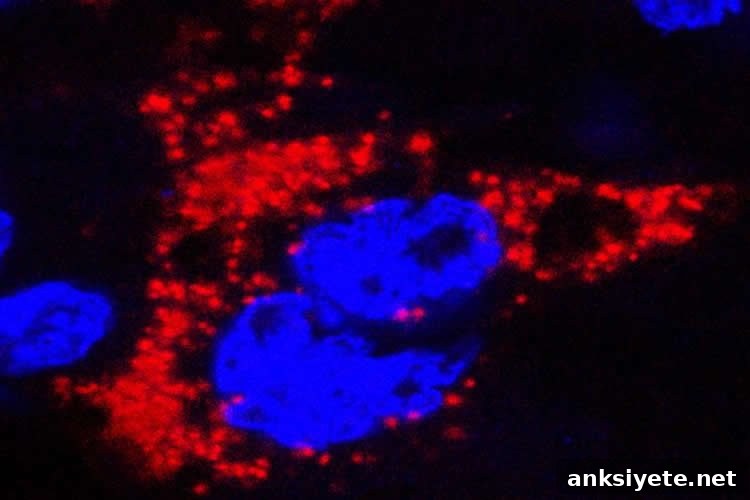
New mouse models enable testing of vaccines and therapies and clarify Zika virus effects during pregnancy
Researchers at Washington University School of Medicine in St. Louis have developed two mouse models that reproduce key aspects of Zika virus infection during pregnancy. In both models, the virus moves from the mother’s bloodstream into the placenta, multiplies there, and then spreads into the fetal circulation where it infects the developing brain. These models create an important platform for testing maternal vaccines, evaluating therapeutics, and studying how Zika virus affects the placenta and fetal development.
The study, published May 11 in Cell, demonstrates in an animal system the in utero transmission of Zika virus and reproduces several outcomes observed in human pregnancies affected by the virus.
“This is the first demonstration in an animal model of in utero transmission of Zika virus, and it shows some of the same outcomes we’ve been seeing in women and infants,” said co-senior author Michael Diamond, MD, PhD, professor of medicine, molecular microbiology, and pathology & immunology. He noted that these models can be used to test whether vaccinating the mother can prevent uterine infection or whether therapeutics given after maternal infection can block transmission to the fetus or reduce fetal injury.
Because mice with intact immune systems typically clear Zika infection, the team used two complementary approaches to impair the maternal antiviral response before infection. In one model, they used genetically modified mice lacking the interferon alpha receptor, a key molecule in the antiviral immune response. In the second model, pregnant mice were injected with antibodies that transiently block the same receptor, creating a temporary immune suppression.
Pregnant mice were infected about one week after conception, and researchers examined placentas and embryos six to nine days after infection. In both models, Zika virus crossed from maternal blood into the placenta and replicated there. Viral levels in the placenta were approximately 1,000 times higher than those in maternal blood, indicating active replication rather than simple accumulation.
In the genetically modified mice that completely lacked the interferon alpha receptor, Zika infection caused severe outcomes: most fetuses died and surviving fetuses were considerably smaller than normal. Placentas from these pregnancies were shrunken, with fewer blood vessels, a pattern consistent with placental insufficiency. Placental insufficiency can limit oxygen and nutrient delivery to the fetus, causing growth restriction and, in severe cases, fetal death. Similar findings—placental problems, restricted fetal growth, and miscarriage—have also been reported in some pregnant women infected with Zika virus.
In both mouse models the researchers detected Zika virus in the fetal brain and observed cell death among neural cells. Despite evidence of neuronal injury, they did not observe the dramatic reduction in overall brain size—microcephaly—that is most striking in some human cases. The authors point out that timing and species differences in brain development likely account for this: much of mouse neurodevelopment, particularly in the cerebral cortex, occurs after birth, whereas in humans more of that development happens in utero.
In the antibody-treated model, where maternal interferon signaling was only transiently blocked, fetal outcomes were less severe. Fetuses generally survived, though some were smaller than expected. The investigators plan to use this less severe model to study whether prenatal exposure to Zika virus causes long-term neurological or developmental issues in offspring that appear normal at birth.
Not every infant born to a mother infected with Zika virus shows signs of microcephaly at birth; some appear healthy. However, it remains unclear whether babies who seem unaffected at birth may later develop developmental or cognitive problems. The models reported here will allow researchers to follow offspring over time to assess potential delayed neurological effects and to test interventions that might prevent long-term impairment.
Beyond testing vaccines and therapeutics, the team aims to identify the specific molecules and pathways the virus uses to cross and traverse the placenta. Blocking those entry routes could directly prevent fetal infection. Because the most severe public health consequences of Zika are linked to fetal infection and developmental damage, interventions that protect the placenta and fetus would substantially reduce the threat posed by Zika outbreaks.
“For years, we’ve been studying transplacental infections and what prevents them,” said co-senior author Indira Mysorekar, PhD, associate professor of obstetrics and gynecology and of pathology and immunology. “It’s gratifying to be able to apply that expertise to something that’s suddenly become very important worldwide.”
Funding: Funding provided by National Institutes of Health, Intellectual and Developmental Disabilities Research Center at Washington University, NIH/Eunice Kennedy Shriver National Institute of Child Health and Human Development, Rheumatology Research Foundation, and Burroughs Wellcome.
Source: Judy Martin-Finch – Washington University School of Medicine
Image Source: The image is credited to Bin Cao.
Original Research: The study will appear in Cell.