
Summary: Researchers have created a new multifunctional device that can record, sense, and manipulate human brain organoids. This platform enables detailed studies of brain development, mechanisms of injury and recovery, and could accelerate personalized strategies for neurorehabilitation and neurodegenerative disease research.
Source: Northwestern University
A research team led by scientists at Northwestern University, Shirley Ryan AbilityLab and the University of Illinois at Chicago (UIC) has unveiled an advanced 3-D bioelectronic system designed for human neural tissue cultures. This technology aims to provide new insights into how human brain circuits form, function and repair themselves after injury or during degenerative disease.
The work represents the first integration of cutting-edge three-dimensional bioelectronics with sophisticated 3-D human neural cultures, allowing simultaneous recording, sensing and manipulation of miniaturized brain tissues grown from human stem cells.
The findings are featured as the cover story in the March 19 issue of Science Advances.
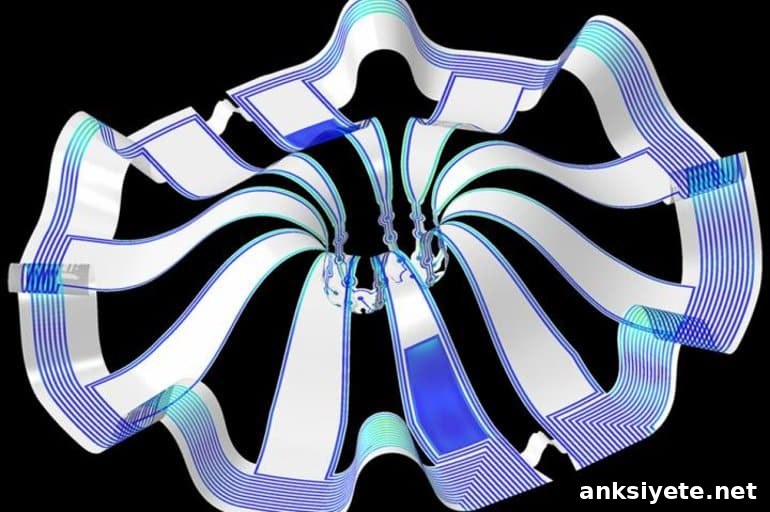
Researchers used cortical spheroids—“mini-brains” generated from human-induced pluripotent stem cells—and placed them within a compact, multifunctional 3-D interface. That interface serves as a miniature lab-on-a-dish, designed to collect multiple data types at once while supporting the natural, three-dimensional structure of the tissue.
The platform integrates microelectrodes to record electrical signaling, miniature heating elements to maintain or deliberately alter temperature as an experimental stressor, and tiny probes such as oxygen sensors and micro-LEDs for optogenetic control. By introducing light-sensitive genes into the cells, researchers can use colored light pulses to activate or inhibit neural circuits and observe resulting activity in real time.
Because these cortical spheroids are derived from donor cells—such as a small blood sample or skin biopsy—this approach supports a personalized medicine workflow. Scientists can reprogram a person’s cells into stem cells, then grow spheroids that retain that individual’s genetic profile, enabling patient-specific studies of brain development, disease susceptibility and response to treatments without invasive procedures on living patients.
The authors argue that combining personalized, stem cell–derived brain cultures with this multifunctional 3-D bioelectronic platform will speed discovery and help generate novel, targeted interventions for neurological injury and disease.
“These advances open a new frontier in how we study and understand the brain,” said Dr. Colin Franz of Shirley Ryan AbilityLab, co-lead author who directed testing of the cortical spheroids. “With a validated 3-D platform, we can perform more focused experiments relevant to patients recovering from neurological injury or living with neurodegenerative disease.”
Co-lead author Yoonseok Park, a postdoctoral fellow at Northwestern, noted this is the beginning of a new class of miniaturized 3-D bioelectronic systems. Future iterations are planned to support increasingly complex tissue assemblies—linking brain tissue to muscle or dynamic tissues such as engineered heart models—to expand regenerative medicine applications.
Traditional electrode arrays are flat and two-dimensional, limiting how well they can match the brain’s complex architecture. Even existing 3-D systems struggle to combine multiple materials at small scales. This new approach creates a tailored set of 3-D bioelectronic devices that better mirror biological form while preserving high functionality for interfacing with living tissue.
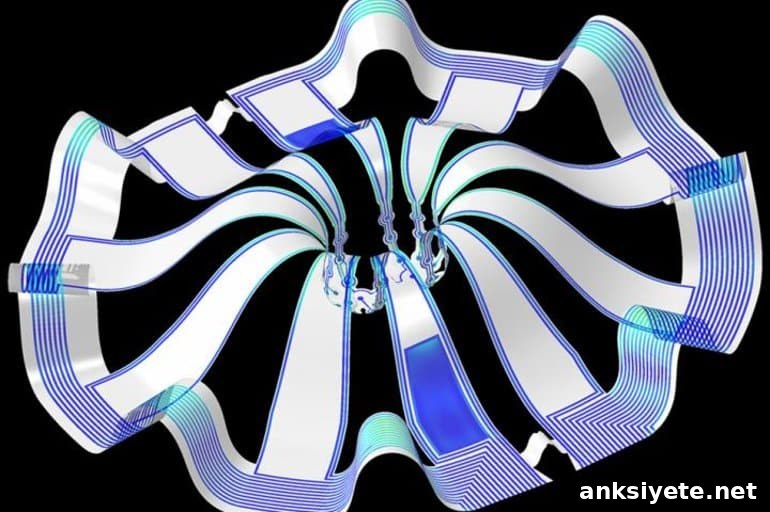
“With small, soft 3-D electronics, we can now build devices that closely mimic the complex biological shapes found in the human body,” said Northwestern’s John Rogers, who led the technology development. “This removes the trade-off between form and function when designing interfaces for biological tissues.”
Planned next steps include applying the devices to study neurological disease mechanisms, screen candidate drugs and therapies with clinical relevance, and compare models derived from different patients. This work aims to clarify why individuals often have widely varying outcomes after neurological injury and to guide more precise rehabilitation strategies.
“Our goal is to make laboratory research as clinically relevant as possible,” said Kristen Cotton, a research assistant in Dr. Franz’s lab. “This 3-D platform enables experiments and discoveries that were previously out of reach for regenerative neurorehabilitation research.”
Funding: The project received support from a National Institutes of Health R01 Research Project Grant shared by Northwestern’s John Rogers and Yonggang Huang, Shirley Ryan AbilityLab’s Dr. Colin Franz and UIC’s John Finan. Additional support came from a philanthropic gift from the family of Belle Carnell, which established a regenerative neurorehabilitation fund for precision medicine in Dr. Franz’s laboratory.
About this neurotech research news
Source: Northwestern University
Contact: Amanda Morris, Northwestern University
Image: Image credited to Northwestern University
Original Research: Findings published in Science Advances