
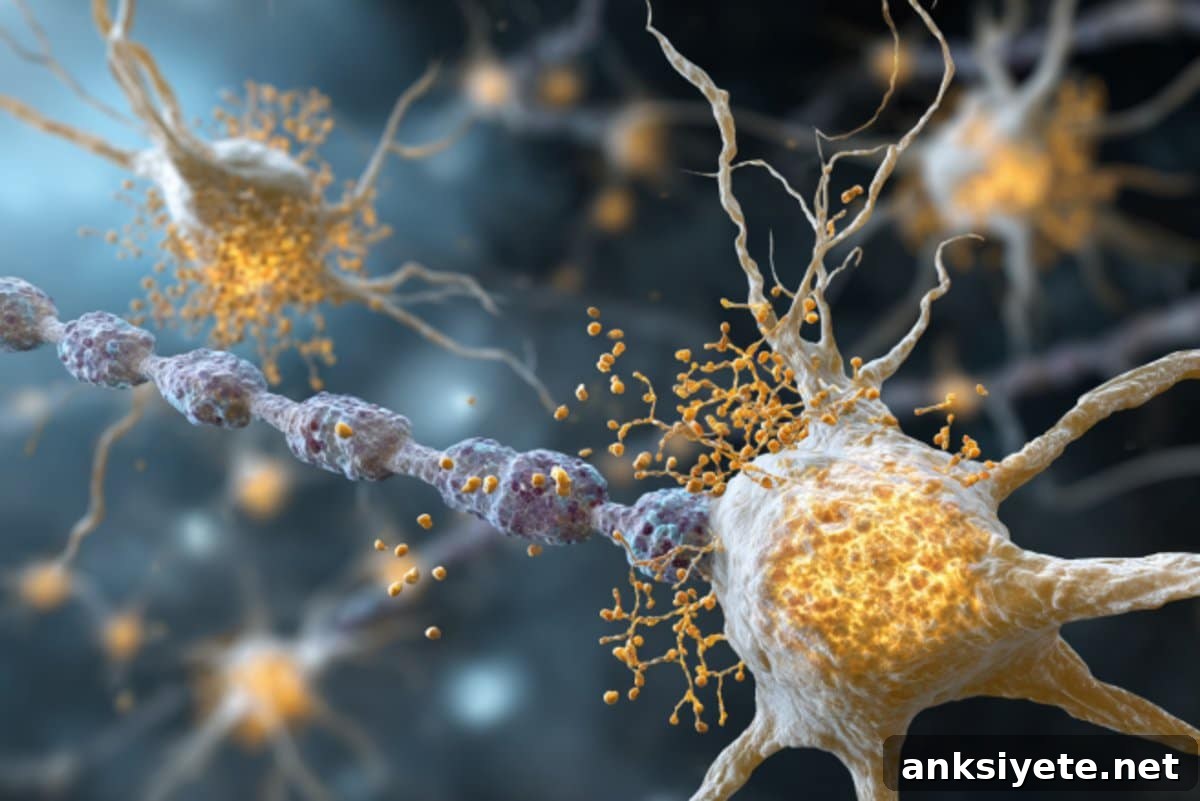
Summary: Researchers at Stanford have developed a targeted brain-cell transplant technique that could change treatment prospects for Tay-Sachs and Sandhoff diseases. By selectively depleting diseased microglia and replacing them with healthy donor precursor cells, the team restored crucial lysosomal enzyme activity in the brain and dramatically extended lifespan and function in a mouse model.
Treated animals nearly doubled their lifespan, recovered motor coordination, and exhibited normal exploratory and social behaviors for much of their extended lives. The method avoids many of the systemic risks associated with conventional bone marrow transplants and suggests a path toward a more accessible, off-the-shelf therapy that might benefit children with rare lysosomal storage disorders and, potentially, patients with more common neurodegenerative diseases.
Key Facts
- Targeted cell replacement: Donor microglia precursors replaced over 85% of diseased brain immune cells in treated mice.
- Marked therapeutic benefit: Treated Sandhoff mice survived up to 250 days compared with a maximum of 155 days in untreated controls.
- Brain-restricted and immune-safe: The procedure achieved efficient brain engraftment without toxic whole-body preconditioning or graft-versus-host disease.
Source: Stanford
Background: Tay-Sachs and Sandhoff diseases are fatal, inherited lysosomal storage disorders that primarily damage the brain. There is no effective cure, and affected infants typically experience a period of normal development followed by rapid neurological decline. These disorders result from mutations in enzymes that enable lysosomes to break down and recycle cellular components; when the enzymes are absent, lipids and other molecules accumulate inside cells, causing dysfunction and cell death.
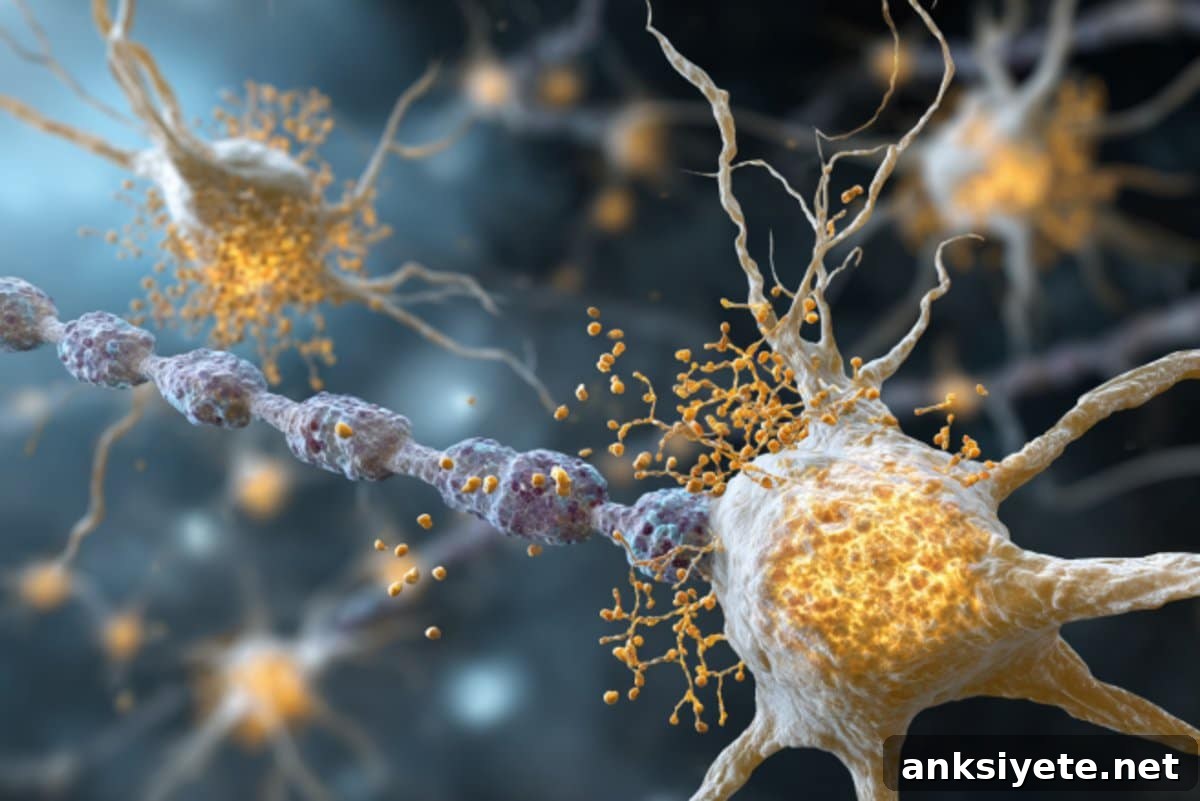
Although neurons are the cells that degenerate in these diseases, neighboring microglia—the brain’s resident immune cells—have far higher demands for lysosomal enzymes because they clear debris and pathogens. The Stanford team hypothesized that restoring functional enzymes in microglia might also help nearby neurons.
Conventional attempts to correct microglial enzyme deficiency have relied on hematopoietic stem cell transplants (bone marrow transplants), which require toxic systemic preconditioning and carry risks such as graft-versus-host disease and poor brain engraftment. Prior work showed high engraftment when the recipient’s immune system was ablated, but that approach remained clinically risky and required genetically matched donors.
New targeted transplant strategy
In the new study, the researchers developed a brain-specific transplantation protocol to avoid whole-body toxicity. Their method combines short-term depletion of endogenous microglia with localized brain irradiation to provide space for donor cells, followed by direct intracerebral injection of microglia precursor cells from non–genetically matched donors. Two immune-modulating drugs were given temporarily to prevent peripheral immune cells from rejecting the unmatched graft.
This carefully timed sequence allowed the donor precursors to engraft efficiently and mature into microglia within the brain without establishing peripheral engraftment or triggering graft-versus-host disease. The result was durable: eight months after transplantation, more than 85% of brain microglia originated from the donor cells.
Functionally, treated Sandhoff mice showed striking benefits. Untreated animals had a median survival of 135 days and none lived longer than 155 days. By contrast, several treated animals survived to 250 days, at which point the experiment ended. Treated mice retained normal exploration behavior in open arenas and demonstrated greater muscle strength and coordination than controls. Although some long-term treated animals eventually developed hind-limb paralysis, their overall performance and quality of life were substantially improved.
A notable finding was that neurons in treated animals also contained the previously missing lysosomal enzyme, suggesting donor microglia may secrete the enzyme into the extracellular space where neurons can uptake it. This cross-cell support points to an underappreciated role for microglia in supplying lysosomal factors to the brain environment.
Clinical potential and broader relevance
The individual components of the protocol—localized irradiation, transient depletion of microglia, and short-term immune modulation—are already used in other medical settings, increasing the translational appeal. Importantly, the approach uses non–genetically matched donor cells without requiring genetic engineering to replace the missing enzyme, simplifying potential clinical development.
The authors note this strategy could be relevant beyond rare pediatric disorders. If lysosomal dysfunction contributes to more common neurodegenerative diseases such as Alzheimer’s or Parkinson’s, targeted microglia replacement could one day offer broader therapeutic applications.
Funding: California Institute for Regenerative Medicine; German Research Foundation; New York Stem Cell Foundation; Robert J. Kleberg Jr. and Helen C. Kleberg Foundation; Wu Tsai Neurosciences Institute.
About this neurology research news
Author: Krista Conger
Source: Stanford
Contact: Krista Conger – Stanford
Image credit: Neuroscience News
Original Research: Closed access. “Therapeutic genetic restoration through allogeneic brain microglia replacement” by Marius Wernig et al., published in Nature.
Abstract
Therapeutic genetic restoration through allogeneic brain microglia replacement
Transplanting allogeneic myeloid cells into the brain after hematopoietic stem and progenitor cell transplantation holds promise for correcting genetic deficiencies such as lysosomal storage diseases. However, systemic myeloablative conditioning causes severe side effects and transplanted cells remain vulnerable to rejection. Here, the authors describe a brain-restricted, high-efficiency microglia replacement approach that avoids myeloablative preconditioning. They find that committed myeloid progenitor cells, rather than hematopoietic stem cells, efficiently repopulate the brain after intracerebral injection. This enables brain-restricted preconditioning that prevents long-term peripheral engraftment and eliminates graft-versus-host complications. The method rescues a murine model of Sandhoff disease and shows similar engraftment potential using human induced pluripotent stem cell–derived myeloid progenitors following brain-restricted conditioning. These results address major limitations of conventional hematopoietic cell transplantation and support the development of allogeneic microglial cell therapies for brain disease.