
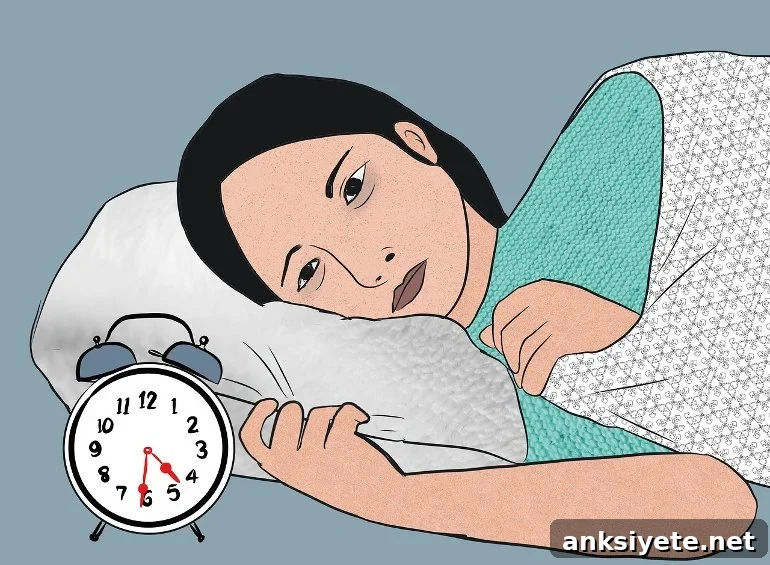
Summary: Targeted sleep therapy for autistic adults shows encouraging results, with reductions in insomnia symptoms and related anxiety.
Source: La Trobe University
La Trobe University researchers have completed the first pilot study worldwide testing a sleep-focused intervention specifically adapted for autistic adults. The findings point to meaningful reductions in insomnia severity and improvements in co-occurring anxiety symptoms.
Autism affects roughly two in every 100 Australians, and many autistic people experience chronic problems with sleep. Difficulties falling asleep, frequent nighttime awakenings and disrupted sleep-wake patterns can carry substantial social, psychological and physical health consequences for autistic individuals and their families.
The pilot study, led by Adjunct Professor Amanda Richdale and published in Behavioural and Cognitive Psychotherapy, evaluated an adaptation of Acceptance and Commitment Therapy for insomnia (ACT-i) that was tailored to the needs of autistic adults.
Professor Richdale notes that sleep problems are common across the autism spectrum, with estimates suggesting up to 80% of autistic people experience sleep disturbances during their lives. Poor sleep is associated with greater behavioral challenges and increased risk of anxiety and depression, along with some physical health concerns.
“Sleep disturbances in autistic people often relate to heightened anxiety, sensory sensitivities and differences in circadian timing,” Professor Richdale explained. “Circadian rhythms are roughly 24-hour cycles regulated by our bodies and influenced by light-dark exposure and melatonin. While melatonin supplements are sometimes used, responses vary and many people still need behavioral supports tailored to their needs.”
The trial enrolled eight autistic adults (six male, two female) aged between 18 and 70 years who had clinically diagnosed autism spectrum disorder and a range of insomnia severity scores on the Insomnia Severity Index (ISI). Participants were assigned to one of two small intervention groups (four per group) using a multiple-baseline-over-time group design.
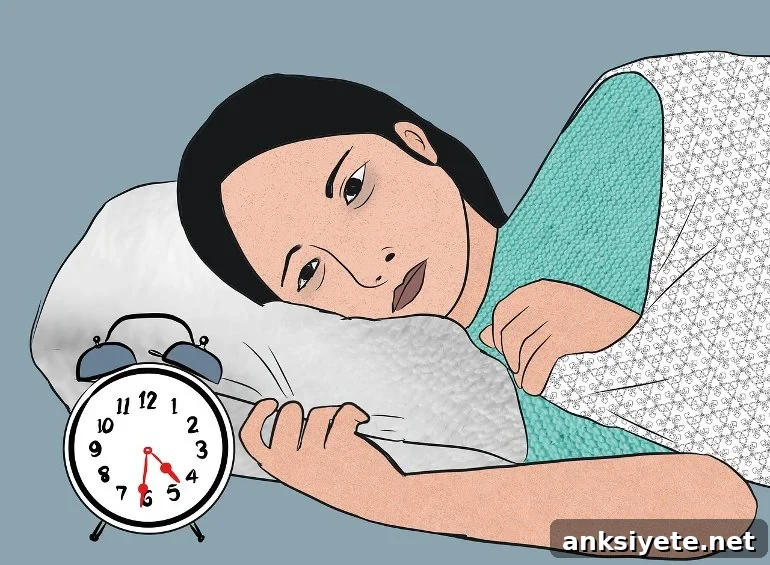
Participants completed sleep and mental health questionnaires before the intervention, immediately after, and at a two-month follow-up. Objective sleep was monitored with actigraphy for one week prior to and one week after the program, while participants kept daily sleep diaries from baseline through the post-intervention period and for one week at follow-up. This combination of self-report and objective measurement strengthened the study’s ability to detect changes in sleep patterns and symptoms.
At the group level, the study found statistically significant improvements in insomnia severity (ISI) and in anxiety scores measured by the Hospital Anxiety and Depression Scale—Anxiety subscale (HADS-A) across the three measurement points. Clinically reliable improvements were observed for insomnia in five participants and for anxiety in four participants. Participant feedback also indicated that ACT-i was acceptable and well received, with a median satisfaction rating of 4 out of 5.
Professor Richdale emphasised the broader implications: “Improving sleep can have cascading benefits for mental health and daily functioning. Providing effective, tailored interventions for sleep in autistic people—across childhood and adulthood—should be a priority, given how closely sleep quality is linked to overall well-being.”
Although this pilot study involved a small sample, its findings suggest that ACT-i is a feasible, acceptable and promising approach for reducing self-reported insomnia and co-occurring anxiety in autistic adults. The researchers highlight the need for larger, controlled trials to confirm these preliminary results and to refine the intervention for wider clinical use.
About this ASD and insomnia research news
Author: Press Office
Source: La Trobe University
Contact: Press Office – La Trobe University
Image: The image is in the public domain
Original Research: Closed access.
“ACT-i, an insomnia intervention for autistic adults: a pilot study” by Lauren P. Lawson et al. Behavioural and Cognitive Psychotherapy
Abstract
ACT-i, an insomnia intervention for autistic adults: a pilot study
Background:
Insomnia and disturbed sleep occur more frequently in autistic adults than in the general population and can lead to notable social, psychological and health burdens. Despite the clear need, rigorous sleep intervention research tailored to autistic adults is limited.
Aims:
This pilot study aimed to evaluate an Acceptance and Commitment Therapy group program adapted for insomnia (ACT-i) and tailored to autistic adults, assessing its effects on insomnia severity and associated mental health symptoms.
Method:
Eight autistic adults (6 male, 2 female), aged 18–70 years and with Insomnia Severity Index (ISI) scores ranging from 9 to 26, participated. They were allocated to two small intervention groups within a multiple-baseline-over-time design. Measures included self-report questionnaires at baseline, post-intervention and two-month follow-up, one-week actigraphy recordings pre- and post-intervention, and daily sleep diaries throughout the assessment periods.
Results:
Group-level analyses showed significant improvements in insomnia severity (ISI) and anxiety (HADS-A) across time points. Clinically reliable improvement was observed in ISI for five participants and in HADS-A for four participants. Participants rated the intervention as acceptable, with median satisfaction of 4 out of 5.
Conclusions:
This pilot study suggests that ACT-i is a feasible, acceptable and potentially effective intervention for reducing self-reported insomnia and anxiety symptoms in autistic adults. Larger-scale trials are needed to confirm these outcomes, optimize the approach and support broader implementation in clinical settings.