
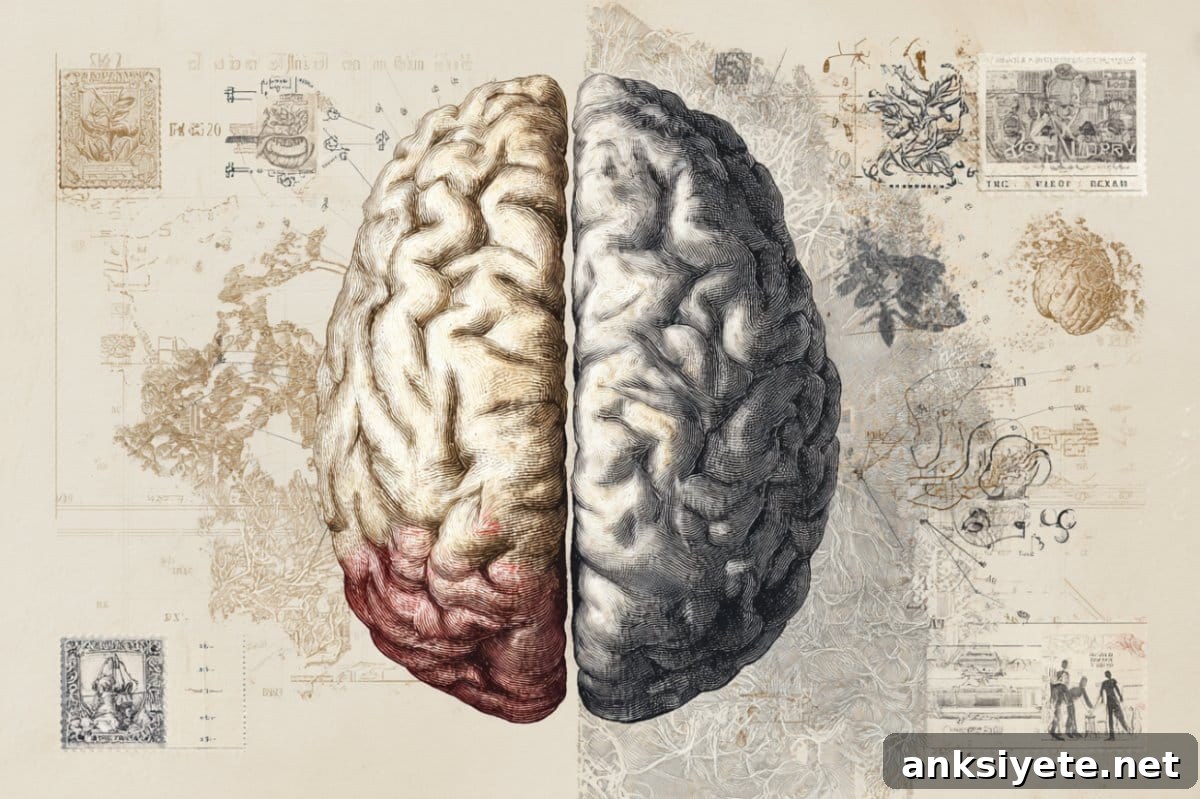
Summary: Parkinson’s disease commonly begins on one side of the body, and new research shows that which side is affected first predicts distinct patterns of non-motor progression. Patients whose motor symptoms start on the right side tend to experience greater overall cognitive decline and an elevated risk of dementia. By contrast, those with left-side onset are more likely to develop psychiatric symptoms such as depression, anxiety, and impaired emotional recognition. These insights point to the value of incorporating motor asymmetry into individualized care plans.
Parkinson’s typically begins with asymmetric motor signs—tremor, slowness, or rigidity that appear more strongly on one side of the body. Although motor features are the most visible, non-motor outcomes like cognitive impairment, mood disorders, and deficits in emotion perception substantially affect quality of life. Researchers from the University of Geneva (UNIGE) and Geneva University Hospitals (HUG) systematically reviewed decades of studies to characterize how the initial side of motor onset relates to these non-motor symptoms.
Key Facts:
- Asymmetric Onset: Parkinson’s often emerges more prominently on either the right or the left side of the body.
- Distinct Risks: Right-side motor onset is associated with greater global cognitive decline and higher dementia risk; left-side onset is more commonly linked with psychiatric symptoms, including anxiety, depression, and difficulty recognizing emotions.
- Personalized Care: Recognizing motor asymmetry during diagnosis could guide more targeted monitoring and interventions tailored to an individual’s likely non-motor trajectory.
Source: University of Geneva
Research overview
The UNIGE–HUG team examined evidence from 80 studies spanning roughly five decades to identify consistent patterns related to lateralized motor symptoms. Their synthesis indicates that the hemisphere implicated by the initial motor asymmetry matters: right-sided motor symptoms generally reflect left-hemisphere dysfunction and are more frequently linked with cognitive decline, while left-sided motor symptoms reflect right-hemisphere involvement and are more often associated with psychiatric and emotional processing problems. Visuospatial deficits, which are commonly tied to right-hemisphere function, were also consistently associated with left-sided motor onset in the reviewed literature.
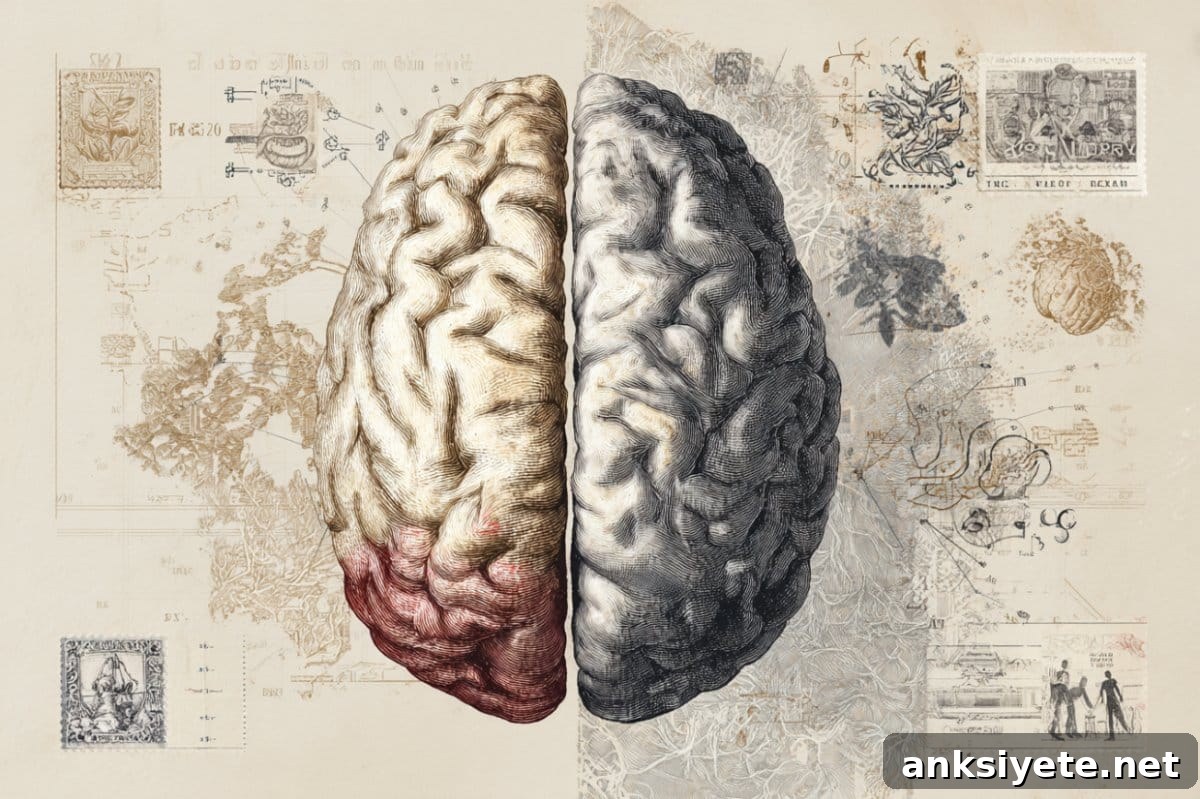
Parkinson’s disease affects millions worldwide and has a wide-ranging clinical presentation. While motor dysfunction is often the first complaint, non-motor symptoms contribute heavily to disability and caregiver burden. By clarifying how the initial side of motor symptoms predicts later cognitive and psychiatric outcomes, the study emphasizes the need to broaden routine clinical assessment beyond standard motor scales to include lateralized symptom patterns.
Towards personalized care
“These findings represent a crucial advance in our understanding of non-motor symptoms, which have frequently been under-recognized in research and clinical practice,” says Julie Péron, Associate Professor at UNIGE and a clinician at HUG, who led the review. The authors recommend that clinicians record the side of symptom onset as a routine part of diagnosis, and use this information to anticipate likely non-motor trajectories and tailor follow-up strategies accordingly.
Philippe Voruz, first author and postdoctoral researcher, notes that taking motor asymmetry into account could enable earlier psychosocial support or cognitive monitoring, and steer patients toward more targeted therapies based on their individual Parkinsonian profile.
The review also raises important methodological questions for future research. Studies to date vary in how they define and measure asymmetry, how they classify motor subtypes, and how they control for comorbid conditions. The authors call for more standardized approaches to measuring lateralization and for longitudinal studies that track how early asymmetry predicts long-term outcomes. They also suggest investigating whether similar lateralized patterns occur in conditions related to Parkinson’s disease and whether motor asymmetry influences responses to specific treatments such as deep brain stimulation.
About this research
Author: Antoine Guenot
Source: University of Geneva
Contact: Antoine Guenot – University of Geneva
Image: The image is credited to Neuroscience News
Original Research: Open access. “Impact of motor symptom asymmetry on non-motor outcomes in Parkinson’s disease: a systematic review” by Julie Péron et al., published in npj Parkinson’s Disease.
Abstract (summary)
This systematic review explored how motor symptom asymmetry in Parkinson’s disease relates to non-motor outcomes including cognition, emotional processing, and psychiatric health. Across the studies reviewed, right-sided motor symptoms (indicating left-hemisphere involvement) were consistently linked to broader cognitive decline and an increased risk of dementia. Left-sided motor symptoms (indicating right-hemisphere involvement) were more often associated with psychiatric issues such as depression and anxiety, as well as impaired recognition of emotions and visuospatial difficulties. Although individual study results vary, the collective pattern supports the relevance of brain lateralization when assessing non-motor symptoms. Limitations in the literature—differences in asymmetry definitions, variability in sample characteristics, and methodological heterogeneity—suggest the need for standardized measurement and longitudinal investigation. Overall, integrating motor symptom asymmetry into clinical evaluation could improve personalized care for people living with Parkinson’s disease.