
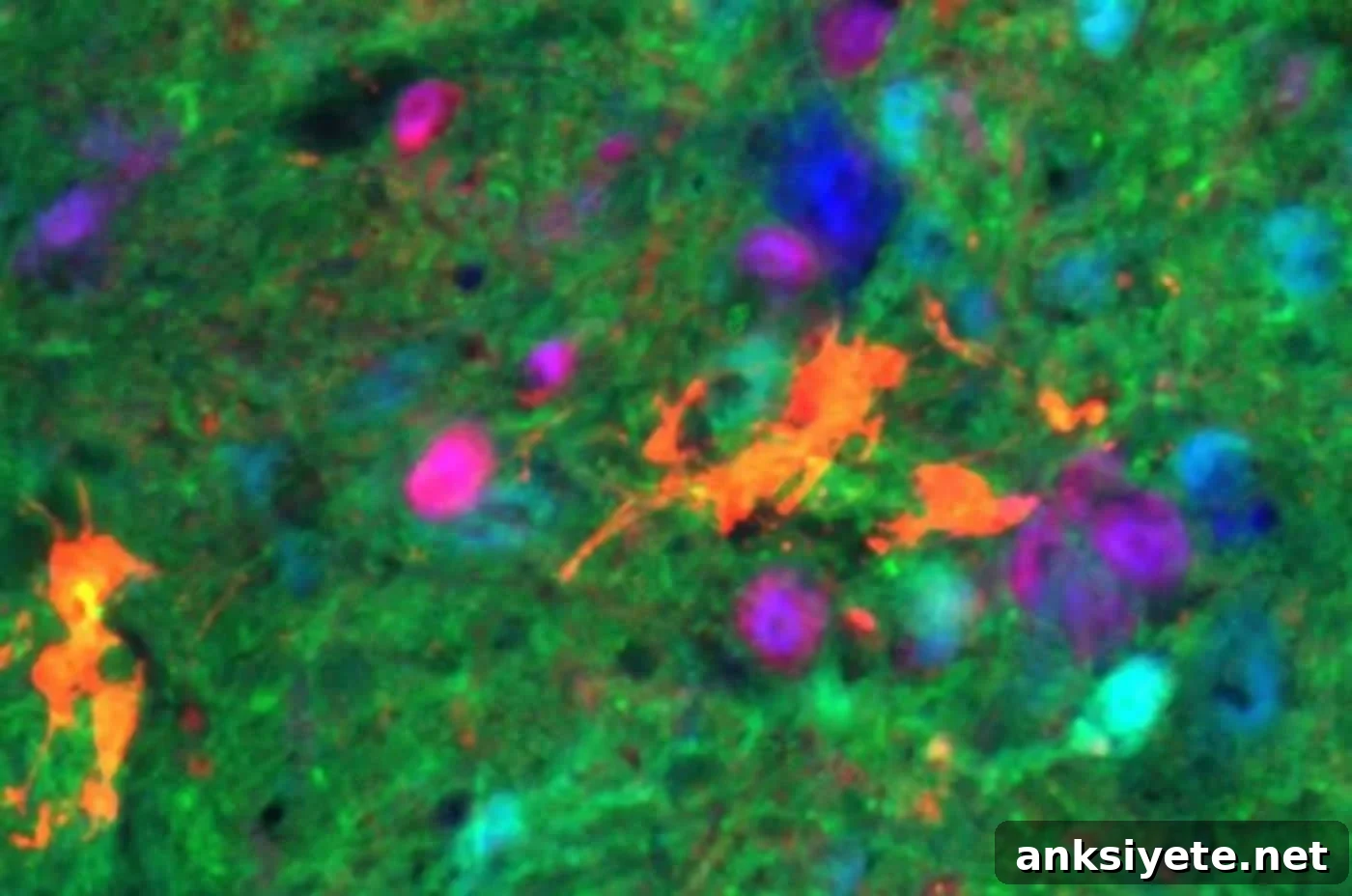
Lab-Grown V2a Interneurons Improve Breathing After Spinal Cord Injury in Mice
Summary: Transplanting V2a interneurons derived from stem cells improved respiratory function in mice with cervical spinal cord injuries, according to a new study.
Source: Drexel University College of Medicine and University of Texas at Austin
Key finding
Researchers report that transplanting a specific class of spinal interneurons—V2a interneurons—into the injured cervical spinal cord of rodents promoted neural integration and led to measurable improvements in diaphragm function and breathing. The study, published in the Journal of Neurotrauma, suggests that targeted cell therapies using defined neuronal phenotypes may one day reduce respiratory dependence in people with high-level spinal cord injuries.
Background and rationale
Spinal cord injury (SCI) disrupts many motor systems, and high cervical injuries can impair the phrenic motor circuit that controls the diaphragm, increasing dependence on mechanical ventilation and risk of respiratory infection. Although the adult spinal cord has limited regenerative capacity, evidence shows it can undergo spontaneous plasticity through axonal growth and formation of new circuits. The research team aimed to identify a specific neuronal cell type that contributes to that plasticity and test whether adding lab-grown V2a interneurons could enhance recovery after injury.
Why V2a interneurons?
Interneurons relay signals between sensory and motor neurons and exist in many subtypes. V2a interneurons are an excitatory subclass known to direct growth in ways favorable for circuit repair and have been implicated in respiratory control. Previous work by the study team showed that native V2a interneurons become recruited into the phrenic circuit following cervical SCI, suggesting these cells play a role in spontaneous respiratory plasticity. This motivated the current approach: producing V2a interneurons from embryonic stem cells, enriching a neural progenitor transplant with those cells, and assessing functional outcomes.
Methods
The team collaborated across institutions to differentiate embryonic stem cells into V2a interneurons and combine them with neural progenitor cells derived from rodent embryonic spinal cord. These mixed cell grafts were transplanted into animals with moderate-to-severe high cervical (C3–C4) injuries. Thirty animals received transplants and were evaluated one month later for cell survival, differentiation, integration, and diaphragm function measured by electromyography.
Results
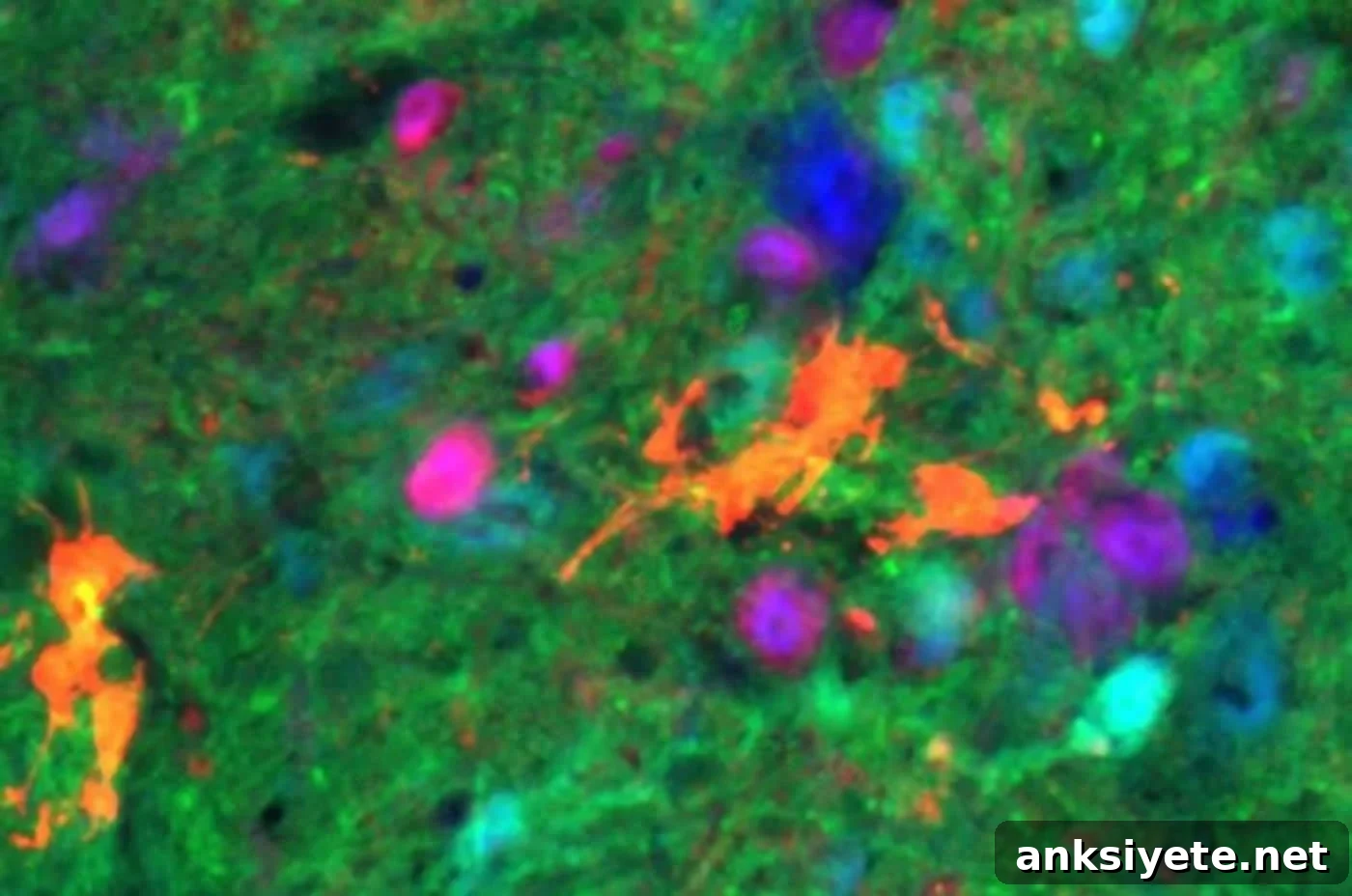
Donor cells survived and matured into neurons in all transplanted animals. Electromyographic recordings of the diaphragm showed that animals receiving grafts enriched with V2a interneurons had significantly better respiratory activity than controls that received neural progenitor cells alone. Although improvements were incremental, the findings identify V2a interneurons as a promising neuronal phenotype for promoting phrenic circuit repair after cervical SCI.
Implications
The study supports a shift from transplanting heterogeneous cell mixtures toward tailored cell therapies that include specific neuron types known to support functional recovery. Knowing which donor cell phenotypes survive, differentiate, and integrate in the injured adult spinal cord is essential for designing safer and more effective clinical approaches. The positive effect of V2a-enriched grafts on diaphragm function suggests that targeted interneuron replacement could one day reduce ventilator dependence and lower respiratory complications in people with high spinal cord injuries.
Next steps
Researchers plan to optimize transplant parameters such as cell dose, timing, and the balance between V2a interneurons and other progenitors to maximize growth and connectivity. They will also explore combining transplantation with rehabilitation, electrical neural interfacing, and activity-based therapies to further enhance functional recovery. Additional studies will evaluate longer-term outcomes and whether similar strategies can be applied across different injury severities and time points after SCI.
Funding and publication
This research was supported by the National Institute of Neurological Disorders and Stroke (NINDS/NIH). The full study, “Transplantation of Neural Progenitors and V2a Interneurons after Spinal Cord Injury,” appears in the Journal of Neurotrauma (published June 2018), with lead author Lyandysha Zholudeva and corresponding author Michael A. Lane.
Abstract summary
The study tests whether neural progenitor cell transplants enriched with ventrally derived, excitatory V2a spinal interneurons can re-establish circuitry and enhance respiratory plasticity after cervical SCI. Using cultured neural progenitors combined with embryonic stem cell-derived V2a interneurons, the authors show donor cell survival, differentiation, and integration into the host spinal cord. Functional diaphragm recovery was observed one month after transplantation, and grafts containing V2a interneurons produced greater improvement than progenitors alone. The results provide insight into which neuronal phenotypes can support circuit repair in the injured adult central nervous system.
Reporting by Lauren Ingeno. Organized and summarized from Drexel University research announcements and the Journal of Neurotrauma publication.