
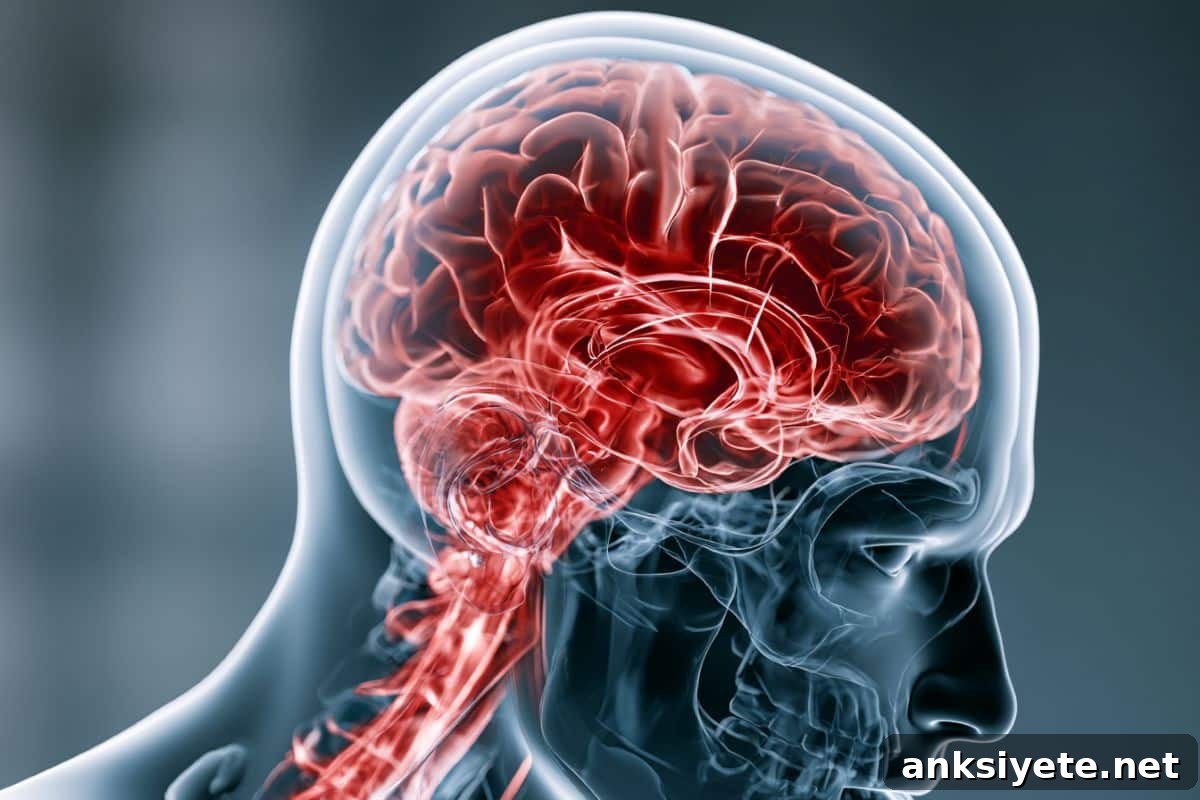
Summary: A large study of 55,204 older U.S. veterans reveals a dangerous two-way relationship between traumatic brain injury (TBI) and several major neurological conditions. Researchers found that older adults who sustained a TBI were three to four times more likely to have received a diagnosis of epilepsy, stroke, dementia, or Parkinson’s disease in the prior year. Those conditions commonly impair balance, coordination, and gait—key factors that increase fall risk. Conversely, sustaining a TBI raised the later risk of stroke and epilepsy twofold and increased new dementia diagnoses by 24%, highlighting an urgent window for fall-prevention and rehabilitative care immediately after a neurological diagnosis.
Key Facts
- Bi-directional risk: The study demonstrates that not only can TBI accelerate neurodegenerative disease, but a new diagnosis of a balance-impairing neurological disorder is itself a substantial risk factor for later TBI.
- Large veteran cohort: Investigators compared 13,801 veterans (mean age 78) who recently sustained a TBI with 41,403 age-matched controls, examining medical records in defined one-year windows before and after the injury or index date.
- Marked pre-injury association: After adjusting for baseline health differences such as diabetes, smoking, and cardiovascular history, those with TBI were about four times more likely to have a recent epilepsy diagnosis and roughly three times more likely to have had a recent stroke, dementia, or Parkinson’s disease.
- Post-injury acceleration: Following TBI, the risk of stroke and epilepsy roughly doubled and the risk of new-onset dementia rose by 24%; Parkinson’s disease did not show a statistically significant increase over the study’s one-year follow-up.
- Clinical implication: Because falls are the primary cause of TBI in older adults, the authors recommend immediate fall-risk screening and prompt referrals to physical and occupational therapy or fall-prevention programs when a patient receives any of these neurological diagnoses.
Source: AAN
Overview of findings
Published in Neurology on June 17, 2026, this study examined whether older veterans with a recent TBI had higher rates of stroke, dementia, epilepsy, or Parkinson’s disease compared with age-matched veterans without recent TBI. The analysis focused on one-year intervals before and after the TBI (or a matched index date for controls) and excluded individuals who had any of the four conditions prior to that time window.
In the year before injury, rates per 1,000 person-years among those who experienced a TBI were notably higher: stroke occurred at 64 versus 20 per 1,000 person-years in controls; dementia at 58 versus 19; epilepsy at 14 versus 4; and Parkinson’s disease at 10 versus 3. After accounting for other risk factors, the adjusted associations showed a roughly fourfold greater likelihood of recent epilepsy and about a threefold greater likelihood of recent stroke, dementia, or Parkinson’s disease among those with TBI.
When the investigators examined outcomes after TBI, they found a clear increase in several conditions: the post-injury risk of stroke and epilepsy roughly doubled compared with the pre-injury baseline, and new dementia diagnoses increased by 24%. The incidence of Parkinson’s disease did not differ significantly in the short follow-up interval; the authors suggest this may reflect Parkinson’s longer latency and the study’s limited one-year observation period.
Why these relationships matter
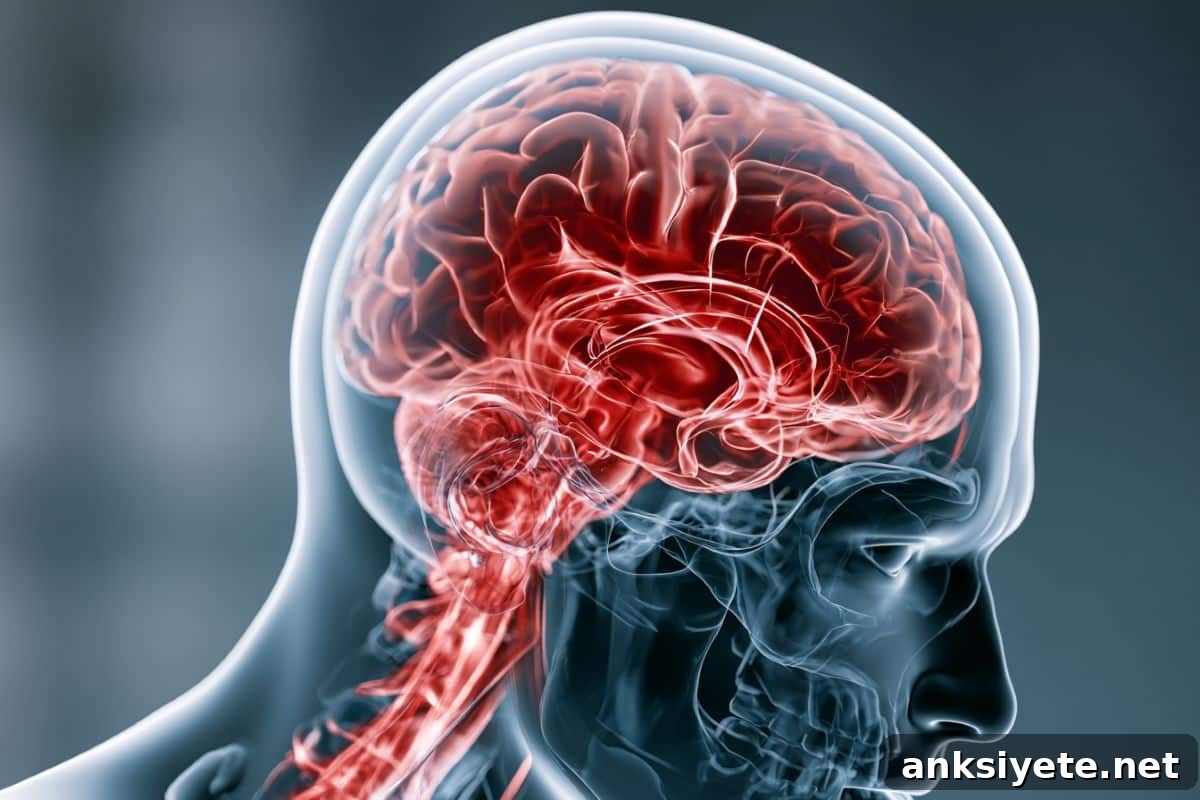
Neurological conditions such as dementia, stroke, epilepsy, and Parkinson’s disease commonly impair motor function, balance, gait, coordination, and spatial awareness. Any decline in these areas increases the risk of falls—the leading cause of TBI among older people. The study’s findings suggest that receiving one of these diagnoses marks a high-risk period during which targeted fall-prevention efforts could substantially reduce the likelihood of subsequent TBI.
Clinical recommendations
Based on the results, the study authors recommend that clinicians screen older patients for fall risk from the moment of a neurological diagnosis and rapidly initiate preventive measures. Effective actions include referrals to physical and occupational therapy for strength and balance training, comprehensive home-safety evaluations (for example, installing grab bars and removing trip hazards), and careful medication reviews to reduce drugs that increase dizziness or impair balance.
Limitations
The study has several limitations. Requiring medical data one year after TBI excludes people who died within a year of a severe injury, while those with mild injuries who never sought care were also not captured. Additionally, the cohort consisted of veterans, which may limit generalizability to non-veteran populations.
Funding: The research was supported by the U.S. Department of Defense.
Key questions answered
A: These conditions impair the neural systems that control balance, coordination, gait, and spatial awareness. As those abilities decline, the chance of falling—and therefore suffering a TBI—rises sharply. Because mechanical falls are the leading cause of TBI in older adults, any disease that disrupts balance directly elevates TBI risk.
A: The study supports prior evidence that TBI can exacerbate or accelerate other brain pathologies. After TBI, individuals were about twice as likely to experience stroke or epilepsy and experienced a 24% higher risk of new-onset dementia compared with their pre-injury baseline. Parkinson’s disease was not increased within the one-year window studied, but longer follow-up may be required to detect such effects.
A: Clinicians should treat the period immediately after a neurological diagnosis as a high-priority time for fall prevention: perform fall-risk screening, refer promptly to physical and occupational therapy for balance and strength training, implement home safety modifications, and review medications to minimize dizziness and sedation.
Editorial notes
- This article was edited by a Neuroscience News editor.
- Journal paper reviewed in full.
- Additional context added by staff.
About this neurology research news
Author: Aleksa Atkinson
Source: AAN
Contact: Aleksa Atkinson – AAN
Image: Image credited to Neuroscience News
Original Research: The study is published in Neurology.