
Summary: A new study links dietary lutein — a pigment abundant in leafy greens — with preserved crystallized intelligence and specific brain structure in older adults.
Source: University of Illinois at Urbana-Champaign
Dietary Lutein Associated with Preserved Crystallized Intelligence and Parahippocampal Cortex Integrity in Older Adults
New research from the University of Illinois at Urbana-Champaign reports an association between lutein intake and better performance on measures of crystallized intelligence in healthy older adults. Published in Frontiers in Aging Neuroscience, the study connects higher serum lutein levels to greater gray-matter thickness in a temporal-lobe region known as the parahippocampal cortex, which in turn is linked to preserved life-long knowledge and skills.
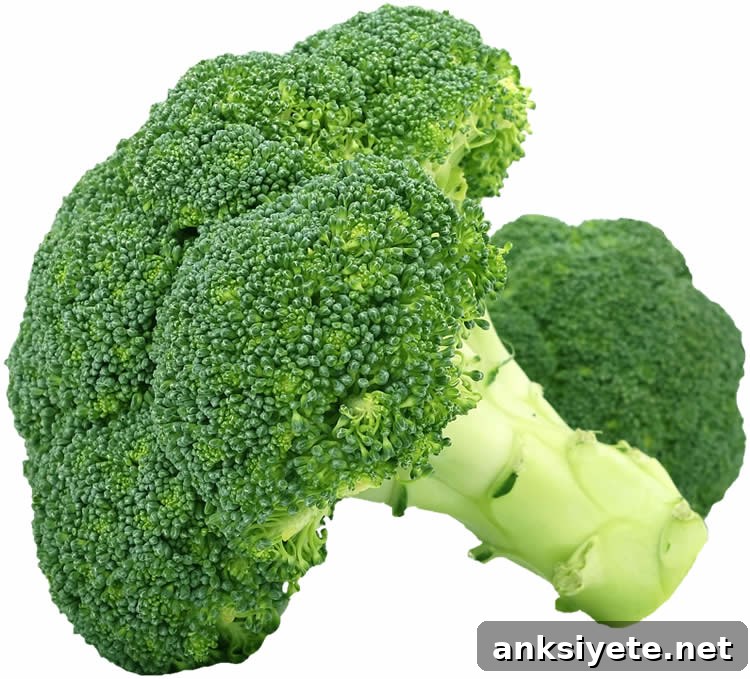
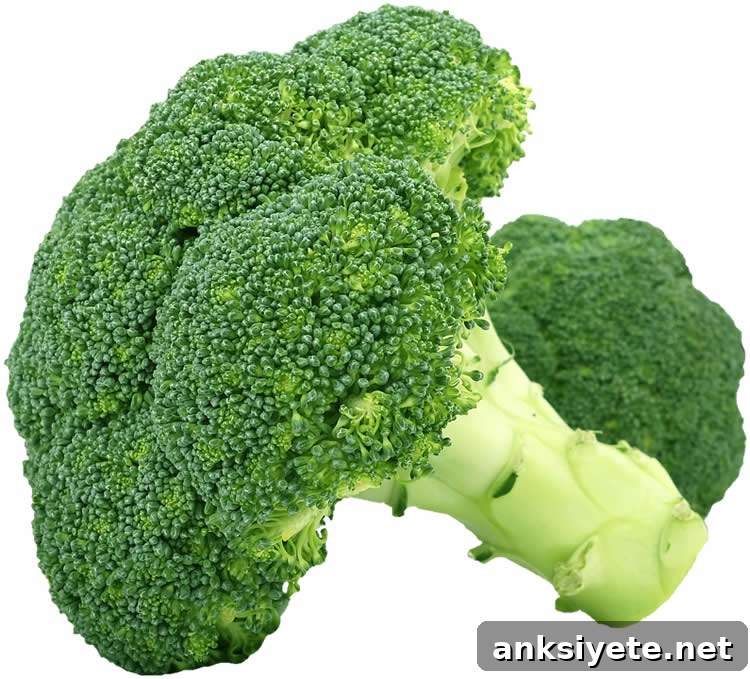
Lutein (pronounced LOO-teen) is a dietary carotenoid found primarily in leafy green vegetables, cruciferous vegetables like broccoli, and in egg yolks. Researchers note that lutein accumulates in the human brain and integrates into neuronal cell membranes, where it may serve neuroprotective roles that support cognitive health as people age.
Study design and participants
The study enrolled older adults between the ages of 65 and 75 who were cognitively intact. Participants completed standard assessments of crystallized intelligence — the ability to use accumulated knowledge and skills — and provided blood samples for measurement of serum lutein. Researchers also collected structural MRI scans to measure gray-matter volume and thickness across temporal-lobe regions implicated in preserved cognitive function during healthy aging.
Key findings
- Higher serum lutein levels correlated with better performance on measures of crystallized intelligence.
- Participants with higher lutein levels tended to have thicker gray matter in the parahippocampal cortex, a region of the temporal lobe associated with long-term knowledge and memory-related processing.
- Mediation analyses indicated that gray-matter thickness in the right parahippocampal cortex partially explained the relationship between serum lutein and crystallized intelligence. In other words, parahippocampal cortical structure accounted for a significant portion of the association between lutein status and preserved cognitive ability in this sample.
Interpretation and limitations
Authors emphasize that these results are correlational and do not demonstrate causality. Serum lutein reflects recent dietary intake, though prior work has shown serum levels correlate with brain lutein concentrations in older adults, which more closely reflect long-term dietary patterns. The study supports the hypothesis that specific dietary nutrients such as lutein may slow age-related cognitive decline by affecting particular features of brain aging, potentially through anti-inflammatory, antioxidant, or membrane-stabilizing effects. However, the precise biological mechanisms remain to be clarified by future research.
Research team and funding
The study was led by University of Illinois graduate student Marta K. Zamroziewicz and psychology professor Aron K. Barbey. Other contributors included Erick J. Paul, Chris E. Zwilling, Neal J. Cohen, Elizabeth J. Johnson, and Matthew J. Kuchan. Aron Barbey is affiliated with the Carl R. Woese Institute for Genomic Biology and the Beckman Institute for Advanced Science and Technology. Funding for the work was provided by Abbott Nutrition through the Center for Nutrition, Learning and Memory at the University of Illinois.
Parahippocampal Cortex Mediates the Relationship between Lutein and Crystallized Intelligence in Healthy, Older Adults
Introduction: Dietary factors influence brain aging, but the neural mechanisms that link specific nutrients to cognitive outcomes are not fully understood. This study examined whether serum lutein is associated with crystallized intelligence in cognitively intact older adults, and whether temporal-lobe gray-matter structure mediates that relationship.
Methods: The investigation included older adults aged 65–75 who completed standardized testing of crystallized intelligence, provided blood samples for serum lutein measurement, and underwent MRI-based measures of temporal-lobe gray matter. Mediation analyses controlled for age, sex, education, income, depression status, and body mass index.
Results: Gray-matter thickness of the right parahippocampal cortex (Brodmann area 34) partially mediated the association between serum lutein and crystallized intelligence, indicating that parahippocampal structure contributes to the observed relationship.
Conclusion: Findings suggest a specific neural pathway linking lutein status to preserved crystallized intelligence in older adults. The results add to a growing body of evidence that particular nutrients may help protect cognitive abilities in aging by targeting distinct brain structures. Future studies should investigate the biological mechanisms — such as antioxidant, anti-inflammatory, or membrane-modulating actions of lutein — that could underlie these associations.
Article based on research published in Frontiers in Aging Neuroscience. The report highlights associations between dietary lutein, temporal-lobe structure, and preserved crystallized intelligence in healthy older adults, while acknowledging the correlational nature of the findings and the need for further mechanistic studies.