
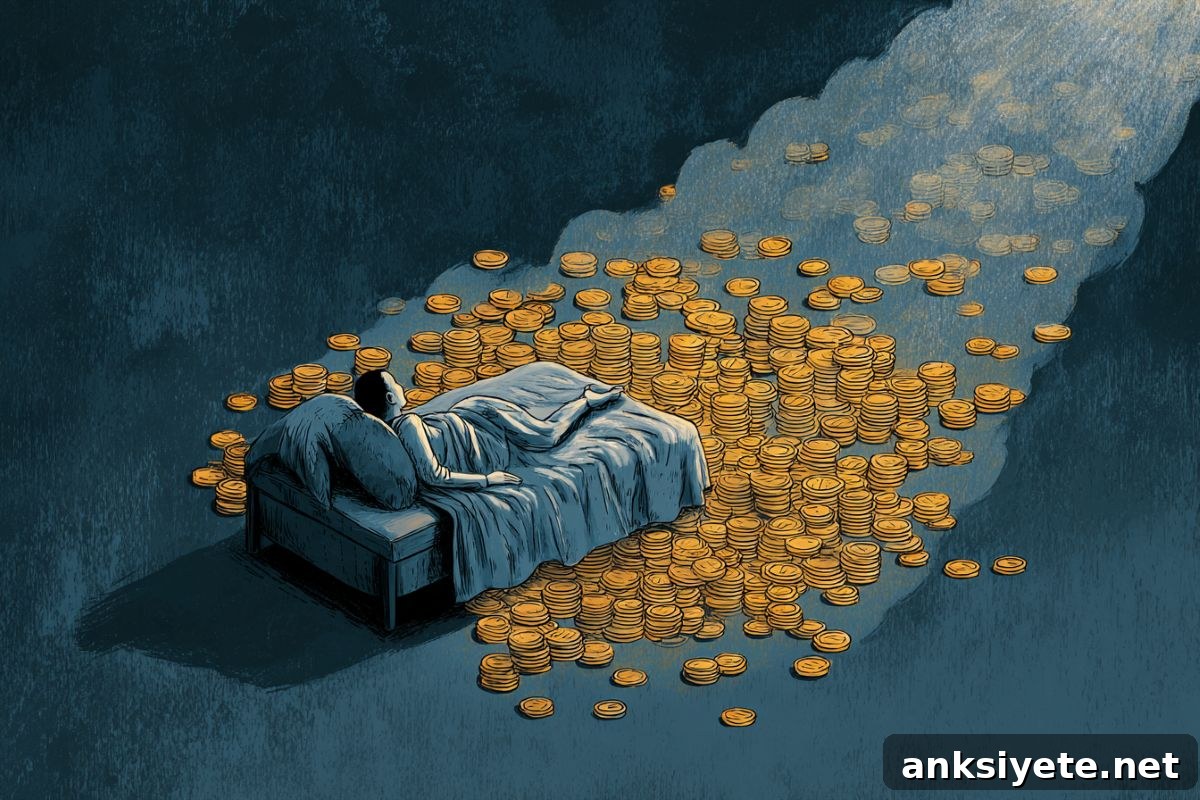
Summary: A new study combining behavioral economics and sleep medicine has measured how much people value their nightly sleep in dollar terms. Researchers validated a two-factor structure for the Monetary Sleep Value Questionnaire and analyzed how demographic factors and psychological sleep attitudes influence financial decisions about sleep. The findings offer a practical economic framework to predict sleep-related behaviors and to tailor interventions that improve sleep health.
Using a nationwide survey of 455 adults, the research identified two primary monetary dimensions: how much someone is willing to pay to improve sleep quality and how much compensation they would require to give up an hour of sleep. Results showed that income, age, and sleep-related psychological profiles meaningfully shape those values. These associations point to ways clinicians and public-health professionals can design interventions that align with individuals’ economic preferences around sleep.
Key Facts
- From societal costs to personal value: While many studies estimate the large societal economic burden of insufficient sleep, this research shifts focus to the individual level, quantifying how people personally price their nightly rest.
- Two-factor monetary metric: The Monetary Sleep Value Questionnaire reliably separates into two behavioral tracks:
- Willingness to Pay (WTP): The amount someone would spend to buy back or improve sleep quality.
- Compensation Expectations: The cash amount someone would require to give up an hour of sleep permanently.
- Income correlates with compensation demands: Individuals with higher baseline incomes generally required larger payouts before agreeing to sacrifice an hour of sleep each night for life.
- Age shows an inverse relationship: Older adults tended to accept lower compensation to forgo sleep compared with younger adults, suggesting changing priorities or sleep architecture across the lifespan.
- Psychological sleep value profiles: Using the Sleep Value Item Bank 2.0, researchers classified participants into behavioral tracks:
- “Sleep Appreciate”: People who value sleep highly and are willing to pay more for improvements in sleep quality.
- “Sleep Devalue”: People who place less value on sleep and demand less money to sacrifice sleep.
- Application to tailored interventions: Translating sleep health into concrete financial terms gives clinicians an objective tool to personalize recommendations, frame persuasive messaging, and potentially improve adherence to sleep interventions.
Source: AASM
A study to be presented at the SLEEP 2026 annual meeting found that financial valuations of sleep differ by age, income, and attitudes about sleep. The Monetary Sleep Value Questionnaire, validated in this research, captures two distinct dimensions: willingness to pay for better sleep and compensation required to forfeit sleep. All main associations reported in the study were statistically significant.
Lead author Abigail Woolley, an undergraduate researcher at Brigham Young University, emphasized that people’s monetary valuation of sleep likely reflects broader attitudes and demographic traits. She noted that the questionnaire could be a useful tool for understanding economic factors that shape beliefs and decisions about sleep.
The American Academy of Sleep Medicine recommends adults obtain seven or more hours of sleep per night and recognizes sleep as essential to health. While societal-level costs of insufficient sleep are well documented, less is known about how individuals assign personal value to sleep. This study addresses that gap by connecting economic preferences to sleep behavior and psychology.
The sample included 455 adults across the continental United States (mean age 45 years; 53% female; 82% white; 50% married). Participants completed the Sleep Value Item Bank 2.0, which classifies individuals into five sleep value profiles (Unconcerned, Appreciative, Ambivalent, Devaluing, and Concerned), and the Monetary Sleep Value Questionnaire. The questionnaire contained eight items measuring willingness to pay for sleep quality gains and eight items measuring required compensation for sleep losses, with scenarios ranging from sacrificing one hour to sacrificing one hour nightly for life. Analyses evaluated the questionnaire’s structure and its associations with demographic and psychological profiles.
Researchers suggest integrating economic perspectives into sleep health research may reveal new ways to design interventions that match how people personally value their sleep, boosting effectiveness and compliance.
Funding: Supported by a grant from the Sleep Research Society Foundation.
Key Questions Answered
Q: How can researchers place a dollar value on an hour of sleep?
A: By asking people to make financial trade-offs: how much they would pay for a device or treatment that guarantees better sleep, and how much money they would accept to permanently give up an hour of sleep each night. These trade-offs reveal individual monetary valuations of sleep.
Q: Why might older adults require less compensation to give up sleep than younger people?
A: The study reports a statistical association that may reflect lifestyle and biological changes with age. Older adults often experience different sleep patterns—lighter or shorter sleep—and may prioritize sleep differently than younger adults juggling career demands, families, and intensive cognitive loads.
Q: How can a patient’s “sleep dollar value” help clinicians?
A: Knowing a patient’s financial valuation of sleep helps clinicians tailor messaging and interventions. For patients who devalue sleep, framing sleep improvements as performance or productivity enhancements may be more persuasive than health-focused advice alone.
Editorial Notes
- Edited by a Neuroscience News editor.
- The journal paper was reviewed in full.
- Additional context was added by editorial staff.
About this report
Author: Hannah Miller
Source: AASM
Contact: Hannah Miller – AASM
Image: The image is credited to Neuroscience News
Original Research: Findings to be presented at SLEEP 2026.