
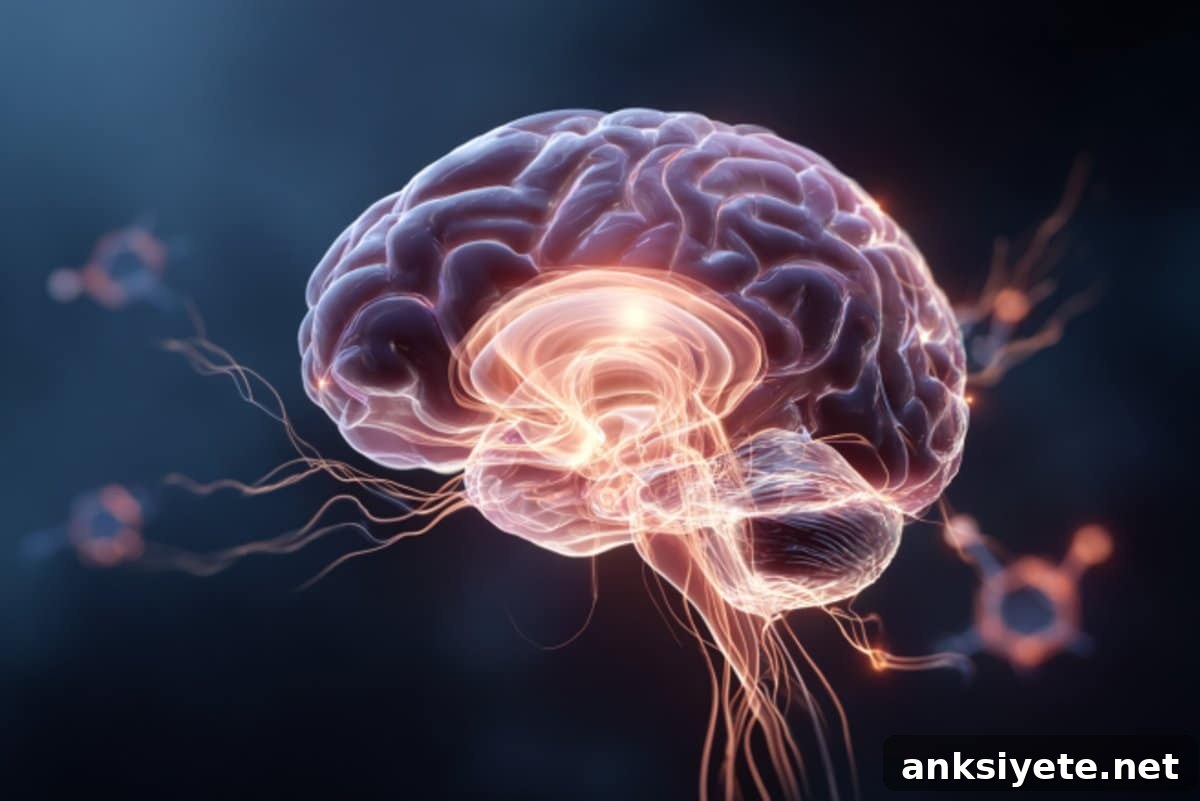
Summary: New research from the Francis Crick Institute shows that hunger can flip virgin female mice from nurturing to aggressive toward pups—but only during specific hormonal phases. Scientists identified a direct connection between appetite-regulating neurons (AgRP neurons) in the hypothalamus and a brain area essential for parental care, the medial preoptic area (MPOA). This circuit explains how hunger signals and reproductive hormones combine to reshape maternal behavior in a state-dependent manner.
When females were briefly food-deprived, AgRP neurons suppressed activity in MPOA neurons and many mice shifted from parental interest or indifference to overt pup-directed aggression. Feeding the animals or silencing AgRP neurons reversed the effect. The study reveals a precise neural pathway and hormonal gating mechanism that together determine whether an internal state like hunger prioritizes self-preservation over caregiving.
Key Facts:
- Hunger switch: Short-term food deprivation caused normally non-aggressive virgin female mice to attack pups, but only in particular reproductive states.
- Neural pathway: AgRP neurons in the arcuate nucleus of the hypothalamus inhibit MPOA neurons, shifting behaviour away from care and toward aggression.
- Hormonal gating: The balance between ovarian hormones—oestradiol and progesterone—across the estrous cycle sets how responsive MPOA neurons are to hunger signals.
Source: Francis Crick Institute
Overview
Researchers at the Francis Crick Institute investigated how internal physiological states—specifically hunger and reproductive hormones—interact in the brain to control social behavior. Using virgin female mice as their model, the team discovered that a relatively brief period without food caused many animals to become aggressive toward pups that were not their own. This change was reversible: feeding the mice or interrupting the hunger signal prevented the aggressive behavior.
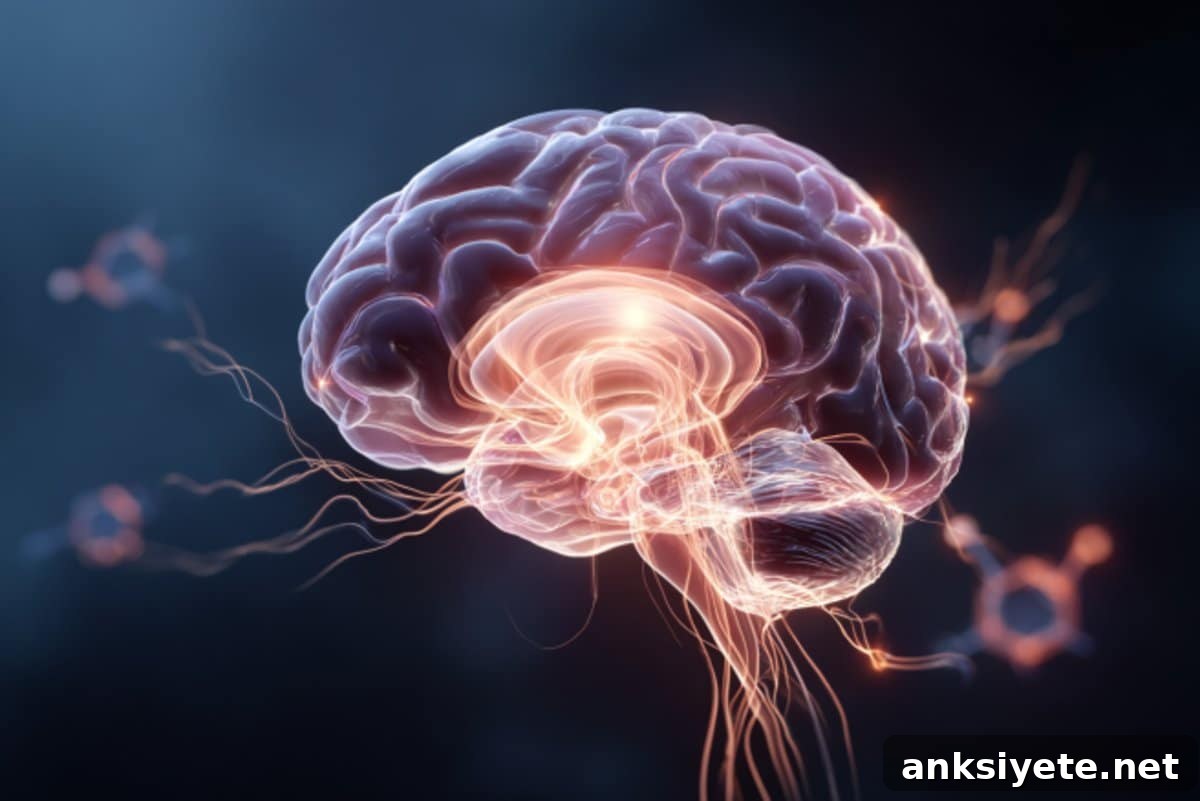
Importantly, hunger specifically altered responses to pups: the same females behaved normally toward adult mice and toward prey, indicating that the effect targeted parental circuits rather than causing broad increases in aggression.
Locating the control center
To pinpoint the neural source of this switch, the researchers examined AgRP neurons—cells in the arcuate nucleus well known for driving appetite. Activating AgRP neurons in well-fed mice induced pup-directed aggression; conversely, silencing these neurons reduced aggression in hungry animals. Tracing experiments showed that AgRP cells project to the medial preoptic area (MPOA), a brain region with an established role in parental caregiving, identifying the MPOA as a key downstream site where hunger signals change parenting behavior.
How reproductive state modifies the response
Not all females became aggressive when hungry: only about 60% did, even though their hunger levels were matched. This variability led the team to probe reproductive state. They found that the estrous cycle stage strongly influenced susceptibility to hunger-induced aggression. Specifically, the ratio of oestradiol to progesterone across the cycle alters MPOA neuron responsiveness, effectively gating whether hunger will suppress parental circuitry.
At the cellular level, hunger-related signals from AgRP neurons reduce MPOA activity through neurochemical mechanisms, including the release of neuropeptide Y. The authors also report that convergence occurs on hyperpolarization-activated cyclic nucleotide-gated (HCN) channels, which set the baseline excitability of MPOA neurons and thereby link hormonal state and hunger to behavioral outcomes. Using microendoscopic imaging, they observed in vivo that MPOA neurons encode a neural state predictive of pup-directed aggression.
These results suggest that the brain integrates multiple internal signals in a single site to prioritize competing needs—such as energy acquisition versus offspring care—so behavior can adapt appropriately to changing internal conditions.
Jonny Kohl, Group Leader of the State-Dependent Neural Processing Laboratory at the Crick, emphasized that while humans do not exhibit the same simple switches in behavior, the study highlights the critical role of hormones when examining how different physiological states combine in the brain. Mingran Cao, the study’s first author, noted that parental interactions are energetically costly and that female mice must weigh caregiving against other pressing needs; their findings reveal how hunger and reproductive state are integrated in the MPOA to produce state-dependent behavioral choices.
Key Questions Answered:
A: Hunger activates AgRP neurons that suppress MPOA parental circuits, shifting behavior toward self-preserving actions and pup-directed aggression.
A: No. Only females in particular stages of the estrous cycle—when the balance of oestradiol and progesterone sets MPOA sensitivity—show hunger-induced aggression.
A: While humans don’t display the same straightforward behavioral switches, the research illustrates how hormones and internal needs combine in conserved brain circuits to shape complex social and emotional responses.
About this neuroscience research news
Author: Clare Green
Source: Francis Crick Institute
Contact: Clare Green – Francis Crick Institute
Image: The image is credited to Neuroscience News
Original Research: Open access.
“Integration of hunger and hormonal state gates infant-directed aggression” by Jonny Kohl et al., published in Nature Neuroscience.
Abstract
Integration of hunger and hormonal state gates infant-directed aggression
Social behaviour is strongly influenced by internal physiological states. While we have gained insight into how single states such as hunger, stress or arousal affect behaviour, animals typically experience multiple internal signals simultaneously. The neural processes that integrate these orthogonal states and the behavioral consequences of that integration are not well understood.
This study demonstrates that hunger and estrous state converge on neurons in the medial preoptic area (MPOA) to control infant-directed behaviour. Hunger promotes pup-directed aggression in otherwise non-aggressive virgin female mice by inhibiting MPOA neurons via neuropeptide Y released from Agouti-related peptide-expressing neurons in the arcuate nucleus (ArcAgRP neurons).
The likelihood of hunger-induced aggression is set by reproductive state: MPOA neurons detect changes in the progesterone to oestradiol ratio across the estrous cycle. Hunger and estrous state both influence hyperpolarization-activated cyclic nucleotide-gated (HCN) channels, which establish the baseline activity and excitability of MPOA neurons. Microendoscopic imaging in vivo confirms that MPOA neuronal activity encodes a state predictive of pup-directed aggression. Together, these findings provide a mechanistic account of how multiple physiological states are integrated to flexibly control social behaviour.