
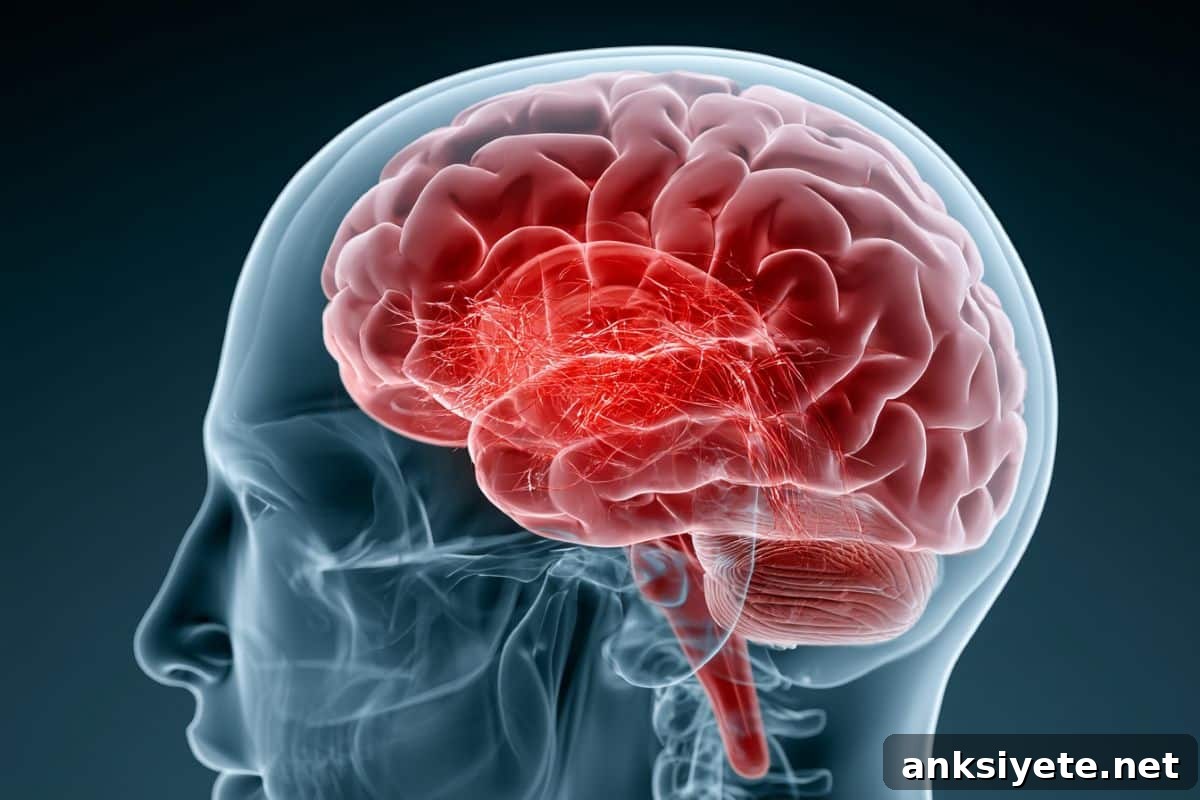
Summary: Researchers have mapped a molecular chain reaction that converts the brain’s own immune response into a destructive process after a concussion. The work identifies a neuron-specific TLR4–MMP-9 pathway that rapidly degrades the extracellular matrix and produces chronic circuit noise, memory loss, and seizure susceptibility after mild-to-moderate traumatic brain injury (TBI).
Using rat and mouse models of mild-to-moderate TBI, the team isolated a precise pathological cascade: activation of neuronal toll‑like receptor 4 (TLR4) drives a rapid increase in matrix metalloproteinase‑9 (MMP‑9). This enzymatic surge breaks down the brain’s extracellular matrix scaffold, reduces inhibitory control, and produces excessive, uncoordinated electrical activity across neural networks.
Importantly, the study reveals a biological paradox: while the TLR4–MMP‑9 axis promotes long‑term hyperexcitability and cognitive deficits after injury, TLR4 plays a necessary stabilizing role in uninjured brains. That dual role means therapeutic strategies must be both pathway-specific and timed to a narrow post‑injury window to avoid disrupting normal brain function.
Key facts
- TLR4–MMP‑9 signaling: Head trauma rapidly increases neuronal TLR4, which in turn triggers a downstream rise in MMP‑9. This establishes a direct molecular link between early innate immune signaling and progressive circuit dysfunction.
- Extracellular matrix breakdown: Physiological MMP‑9 activity supports controlled remodeling of synapses and matrix. After TBI, excessive MMP‑9 destabilizes that scaffold, undermining the balance of excitatory and inhibitory signaling.
- Network noise and cognitive failure: Loss of structural inhibition causes neural circuits to generate chaotic electrical noise instead of precise signaling, which interferes with learning, memory formation, and accurate recall.
- Pharmacological and genetic evidence: Blocking TLR4 pharmacologically in rats or removing it genetically in mice prevented the post‑injury increase in MMP‑9, confirming TLR4’s upstream role.
- Critical intervention window: Animals treated with TLR4 or MMP‑9 inhibitors within 48 hours of injury recovered long‑term learning and spatial memory measured a month later, indicating a limited therapeutic window for preventing lasting deficits.
- Homeostatic dual role: In uninjured animals, inhibiting TLR4 produced memory impairment and hyperexcitability, demonstrating that TLR4 supports normal brain stability and must not be chronically suppressed.
- Public health relevance: The results reinforce the need to take even mild head injuries seriously—such as scooter or bicycle accidents—because subclinical concussions can trigger a progressive internal cascade that produces lasting neurological harm if left untreated.
Source: UCR
Traumatic brain injuries, including mild concussions, can initiate a progressive neuroimmune cascade that disrupts neuronal communication, memory, and cognition, according to researchers at the University of California, Riverside.
Published in the Journal of Neuroinflammation, the study describes how neuronal TLR4 activation after TBI increases MMP‑9 activity. Under normal conditions MMP‑9 contributes to healthy remodeling of neuronal connections and maintenance of the extracellular matrix. After injury, however, excessive MMP‑9 degrades that matrix and contributes directly to circuit dysfunction.
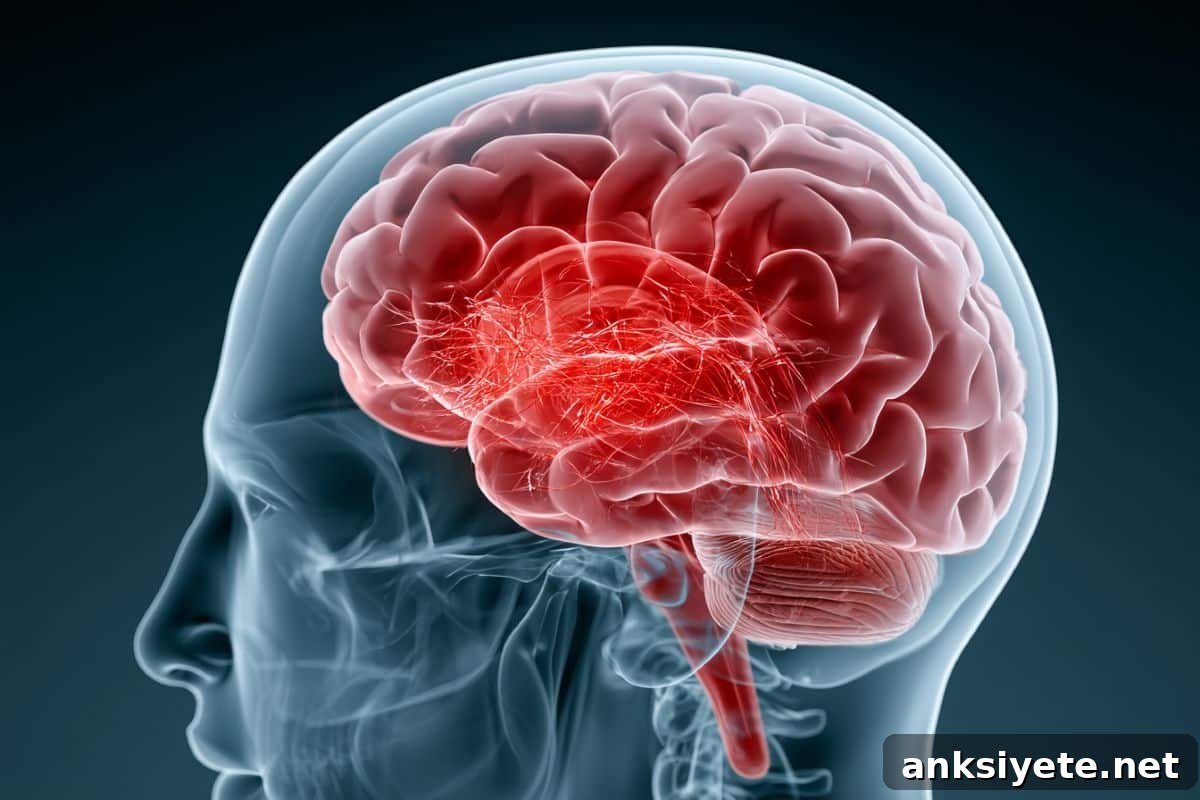
Deepak Subramanian, an assistant professional researcher in the Department of Molecular, Cell and Systems Biology and the study’s corresponding author, explained that TLR4 activation after concussion enhances downstream MMP‑9 activity.
“Brain injury activates TLR4 in neurons,” Subramanian said. “TLR4 signaling increases MMP‑9, which alters neuronal communication and produces heightened network excitability associated with seizures and cognitive impairment. Identifying this direct connection clarifies how immune signaling can drive lasting changes in brain function.”
The researchers used both rat and mouse models and observed rapid upregulation of TLR4 and MMP‑9 after injury. When TLR4 signaling was blocked—through pharmacology in rats or genetic deletion in mice—the rise in MMP‑9 did not occur, establishing TLR4 as the upstream trigger for the enzymatic response.
Blocking either TLR4 or MMP‑9 limited circuit disruptions normally seen after injury. Healthy brain function depends on a precise excitatory–inhibitory balance; after trauma this balance can collapse, producing unstable and overly excitable networks. The resulting loss of signal precision converts meaningful neural patterns into disruptive noise.
Animals with TBI displayed reduced synaptic plasticity, the process by which the brain strengthens or reorganizes connections during learning, and they showed impaired spatial memory one month later. Early treatment with TLR4 or MMP‑9 inhibitors restored performance on behavioral tests, demonstrating that timely intervention can prevent chronic deficits.
“Timing is critical,” Subramanian said. “There is a narrow window after injury when pathway‑specific intervention may improve long‑term outcomes.” The study suggests treatments that precisely target the TLR4–MMP‑9 axis during this early period could prevent progressive damage without disrupting TLR4’s normal stabilizing role in uninjured brains.
Co‑corresponding author Viji Santhakumar emphasized the paradoxical role of TLR4: in healthy animals, TLR4 inhibition produced hyperexcitability and memory problems, indicating context‑dependent functions that complicate broad immunosuppression strategies.
The authors stress public awareness: even apparently mild concussions—common in youth sports and scooter use—can initiate an invisible molecular cascade that degrades brain circuits over weeks. Early recognition and pathway‑specific treatment within the critical 48‑hour window offer the best chance to prevent lasting cognitive harm.
Funding: The study was primarily funded by the U.S. Department of Defense, with additional support from the National Institutes of Health and the American Epilepsy Society.
The study team included Deepak Subramanian, Viji Santhakumar, Erick Contreras, Laura Dovek, Razieh Jaberi, Iryna M. Ethell, and undergraduate contributors Emmanuel Greene and Ysabelle K. Lao.
Key questions answered
A: A concussion can trigger a progressive molecular reaction: neuronal TLR4 activation drives MMP‑9 release, which degrades the extracellular matrix. Without that scaffold the balance of excitation and inhibition collapses, producing chaotic network noise that impairs memory formation and recall.
A: TLR4 and MMP‑9 have essential roles in normal brain function. Chronic blockade in healthy individuals causes the same hyperexcitability and memory problems seen after concussion. Effective therapies must be pathway‑specific and administered only during a brief window after confirmed injury.
A: Take mild head injuries seriously. Even subtle concussions can start an internal neuroimmune cascade that degrades circuits over about 30 days. Early intervention—ideally within 48 hours—can stop that process before it causes lasting cognitive deficits.
Editorial notes
- This article was edited by a Neuroscience News editor.
- The original journal paper was reviewed in full.
- Additional context was added by staff editors.
About this concussion and neurology research news
Author: Iqbal Pittalwala
Source: UCR
Contact: Iqbal Pittalwala – UCR
Image: The image is credited to Neuroscience News
Original research: Open access. “Neuronal toll‑like receptor‑4 regulation of matrix metalloproteinase‑9 activity mediates dentate circuit dysfunction after traumatic brain injury” by Deepak Subramanian, Erick M. Contreras, Laura Dovek, Razieh Jaberi, Emmanuel Green, Ysabelle K. Lao, Iryna M. Ethell & Vijayalakshmi Santhakumar. Journal of Neuroinflammation. DOI: 10.1186/s12974-026-03890-4
Abstract
Neuronal toll‑like receptor‑4 regulation of matrix metalloproteinase‑9 activity mediates dentate circuit dysfunction after traumatic brain injury
Neuroinflammatory pathways activated by TBI are central drivers of long‑term neurological dysfunction and are promising therapeutic targets. Previous work linked TLR4 to increased seizure risk and cognitive deficits after lateral fluid percussion injury, but the cellular and molecular mechanisms were not fully defined.
This study identifies a cell‑ and circuit‑specific neuroimmune‑enzyme signaling axis in the hippocampal dentate gyrus. Using ex vivo electrophysiology in rat and mouse models one week after injury, the authors show that neuronal TLR4 signaling alters both excitatory and inhibitory synaptic inputs to dentate granule cells and relies on downstream activation of MMP‑9 to increase excitatory input frequency. In contrast, TLR4‑driven reductions in inhibitory input were independent of MMP‑9, revealing mechanistic divergence.
Systemic inhibition of either TLR4 signaling or MMP‑9 within 24 hours after injury reduced network hyperexcitability and improved long‑term potentiation measured one week later. Early inhibition of either target attenuated spatial memory deficits measured one month post‑injury. Paradoxically, TLR4 inhibition in uninjured controls increased both excitatory and inhibitory input frequencies and augmented network excitability without changing MMP‑9, underscoring context‑dependent roles for TLR4 signaling.
Together, these results identify the neuronal TLR4–MMP‑9 axis as a key driver of early post‑TBI dentate gyrus circuit dysfunction and associated behavioral deficits.