
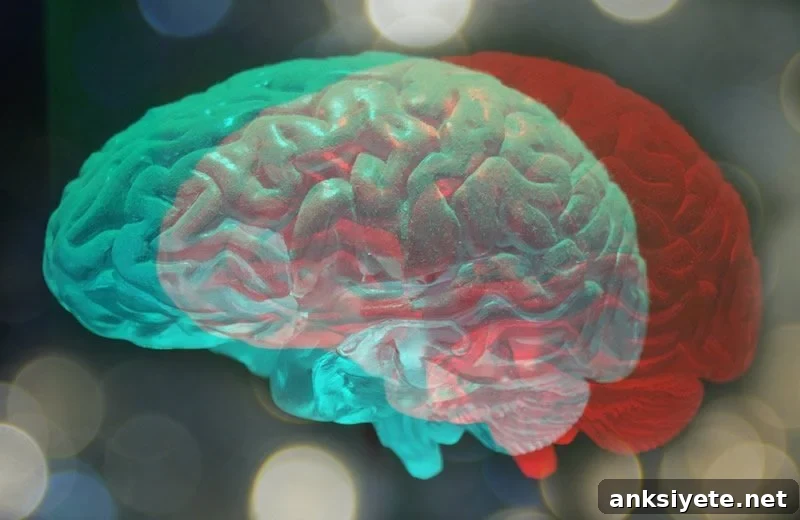
CBD and Psychosis: fMRI Study Shows Normalization of Brain Activity
Summary: In a small fMRI study, people with established psychosis showed altered activity in prefrontal and mediotemporal brain regions during a memory task. After a single dose of cannabidiol (CBD), brain activation in these regions became more similar to that seen in healthy controls, and functional connectivity between the hippocampus and striatum was reduced. Participants also reported a trend toward fewer psychotic symptoms, though researchers caution that these findings are preliminary and do not establish long-term effectiveness.
Source: King’s College London
Study design and participants
Researchers at King’s College London used functional magnetic resonance imaging (fMRI) to examine how a single oral dose of CBD (600 mg) affects brain activity in people with established psychosis. The trial used a double-blind, randomized, placebo-controlled, within-subject crossover design. Fifteen patients with psychosis started the trial, 13 completed both scanning sessions, and nineteen healthy controls were scanned using the same memory task but without drug administration. Patients continued their prescribed antipsychotic medications throughout the study. Scanning occurred three hours after administration of CBD or placebo, while participants performed a verbal paired-associate learning task designed to engage mediotemporal and prefrontal regions involved in memory encoding and recall.
Key findings: brain activation and connectivity
Under placebo, people with psychosis showed altered activation in prefrontal and mediotemporal regions during the verbal memory task, compared with healthy controls. They also displayed greater functional connectivity between the hippocampus (a mediotemporal structure) and the striatum during recall, indicating more coordinated activity between these areas than was seen in controls.
After a single dose of CBD, activation in the mediotemporal and prefrontal regions shifted toward an intermediate pattern—closer to the activation observed in healthy participants than to the placebo condition. CBD also reduced hippocampal–striatal functional connectivity in people with psychosis, bringing it nearer to control levels. These effects suggest that CBD moderates abnormal brain function in regions implicated in psychosis.
Clinical effects and limitations
Participants with psychosis showed a trend-level reduction in psychotic symptoms after one dose of CBD. However, the authors emphasize that this single-dose study does not provide evidence about the effects of sustained CBD treatment. Sample size was small, and the symptom change did not meet thresholds for definitive clinical conclusions. The researchers call for larger, longer-term clinical trials to determine whether CBD’s modulation of brain activity translates into meaningful, lasting clinical benefits for people with psychosis.
Interpretation and implications
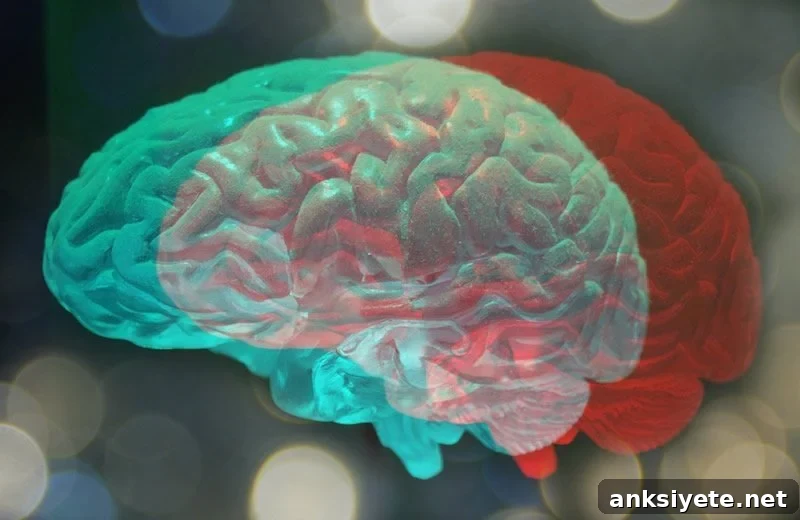
These results provide preliminary mechanistic insight into how cannabidiol may exert antipsychotic effects. By normalizing mediotemporal and prefrontal activation and reducing excessive mediotemporal–striatal connectivity, CBD appears to target neural circuits that are atypical in psychosis. The findings support the hypothesis that CBD acts on brain systems relevant to psychotic symptoms and cognitive processes such as verbal memory.
Importantly, the study demonstrates changes in brain function after a single, controlled dose of CBD in patients already receiving antipsychotic medication. This supports further investigation of CBD both as a potential adjunctive treatment and as an alternative for people who do not respond to or cannot tolerate current antipsychotics. Nevertheless, larger, longer-duration randomized clinical trials are needed to assess safety, clinical effectiveness, optimal dosage, and long-term outcomes.
Funding and publication
The study was published in Psychological Medicine and funded by the Medical Research Foundation and the NIHR Maudsley Biomedical Research Centre.
Study reference
Original research: “Normalization of mediotemporal and prefrontal activity, and mediotemporal-striatal connectivity, may underlie antipsychotic effects of cannabidiol in psychosis.” Sagnik Bhattacharyya et al., Psychological Medicine. DOI: 10.1017/S0033291719003519. This article is open access.