
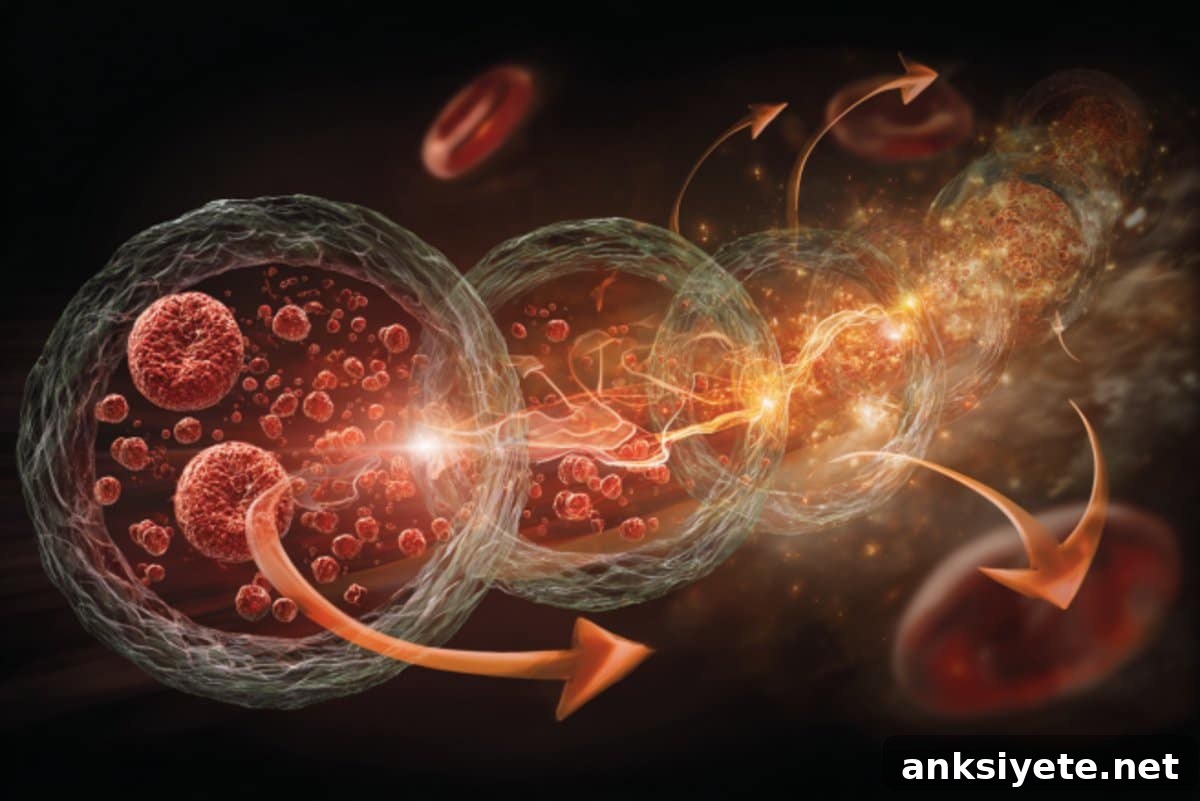
Summary: New research shows that aging is not only a local, cell-autonomous process but can propagate throughout the body via the bloodstream. A redox-sensitive form of the protein HMGB1, called ReHMGB1, is secreted by senescent cells and shown to trigger aging-like changes in distant tissues, impairing regeneration and muscle function.
In mouse models, blocking circulating ReHMGB1 with specific antibodies reduced markers of cellular senescence and improved recovery and physical performance after injury. These results point to a circulating molecular messenger of systemic aging and identify extracellular HMGB1 as a potential therapeutic target to slow or reverse age-related decline.
Key facts:
- Systemic spread via blood: ReHMGB1 transmits senescence signals from one tissue to another through circulation.
- Partially reversible effects: Neutralizing extracellular HMGB1 improved tissue repair and functional outcomes in aging mice.
- Therapeutic potential: Targeting circulating HMGB1 may help treat or prevent age-related tissue dysfunction.
Source: Korea University College of Medicine
For the first time worldwide, researchers in Korea have demonstrated a mechanism by which cellular senescence can spread systemically through the bloodstream, revealing new therapeutic opportunities to address aging-related decline.
Professor Ok Hee Jeon and colleagues in the Department of Convergence Medicine at Korea University College of Medicine identified High Mobility Group Box 1 (HMGB1)—a major component of the senescence-associated secretory phenotype (SASP)—as a critical factor that transmits senescence signals from aging cells to remote tissues. Their work clarifies how a specific redox state of HMGB1, the reduced form (ReHMGB1), acts as a circulating pro-aging signal.
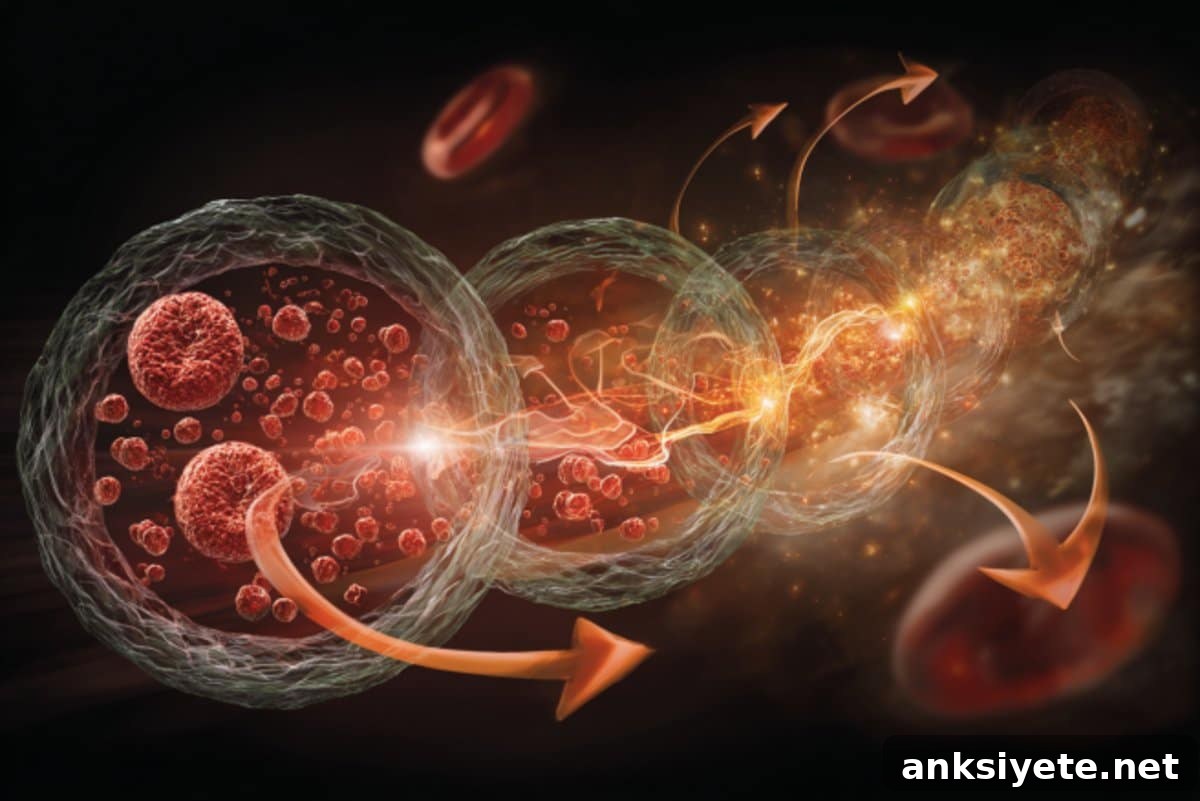
Senescent cells accumulate with age in many tissues, secreting a mix of inflammatory and signaling molecules (SASP) that alter local tissue environments, reduce regenerative capacity, and compromise function. Until now, it remained unclear how these local senescence signals might spread beyond their tissue of origin to produce body-wide aging effects.
Published in the journal Metabolism: Clinical and Experimental, the study provides the first experimental evidence that the reduced, redox-sensitive isoform ReHMGB1 circulates in the blood and induces senescence phenotypes in distant tissues. The research combined cell culture experiments, transcriptomic profiling, and mouse models to define the biological effects and underlying pathways.
In vitro, extracellular ReHMGB1—but not the oxidized form (OxHMGB1)—strongly induced senescence-like features across multiple human cell types, including fibroblasts, renal epithelial cells, and skeletal muscle cells. Treated cells showed increased markers of cell-cycle arrest and a SASP profile consistent with paracrine senescence.
In vivo, systemic administration of ReHMGB1 to young mice elevated classic senescence markers such as p21 and p16, increased expression of SASP factors, and led to discernible declines in muscle function. Conversely, blocking extracellular HMGB1 with neutralizing antibodies in a muscle injury model in middle-aged mice lowered senescence markers, reduced systemic inflammation, promoted muscle regeneration, and improved physical performance after injury.
Mechanistically, transcriptomic analysis revealed that ReHMGB1 activates inflammatory and senescence-associated signaling pathways, including RAGE-mediated JAK/STAT and NF-κB pathways, which drive SASP expression and cell cycle arrest. Cytokine profiling confirmed a paracrine SASP signature induced by ReHMGB1 exposure.
“This study shows that aging signals are not confined to individual cells but can be transported through the blood, with ReHMGB1 acting as a key circulating driver,” said Professor Jeon. “Blocking this pathway restored regenerative capacity in our models and suggests a promising strategy to treat aging-related conditions.”
Funding: The research was supported by the Myokine Research Center and the Ministry of Science and ICT’s Mid-sized Research Support Project. The study was conducted in collaboration with international experts in aging biology, including Irina Conboy (UC Berkeley) and Christopher Wiley (Tufts University).
About this aging research news
Author: Kihoon Yu
Source: Korea University College of Medicine
Contact: Kihoon Yu, Korea University College of Medicine
Image: Image credited to Neuroscience News
Original research (open access): “Propagation of senescent phenotypes by extracellular HMGB1 is dependent on its redox state” by Ok Hee Jeon et al., Metabolism. DOI: 10.1016/j.metabol.2025.156259
Abstract
Propagation of senescent phenotypes by extracellular HMGB1 is dependent on its redox state
Background & purpose
Cellular senescence can spread systemically through the circulation, but the mechanisms behind this process were unclear. HMGB1, a multifunctional SASP factor, exists in different redox states. This study examined how the redox-sensitive reduced form of HMGB1 (ReHMGB1) contributes to paracrine and systemic propagation of senescence.
Methods
The investigators used a paracrine senescence cell culture model and treated cells extracellularly with distinct HMGB1 redox forms to evaluate pro-senescent effects in vitro and in vivo. Senescence was assessed by SA-β-gal and EdU staining, expression of p16INK4a and p21, RT-qPCR, and Western blotting. Bulk RNA sequencing identified ReHMGB1-driven transcriptional changes and implicated pathways. Cytokine arrays characterized SASP profiles. In vivo experiments included systemic ReHMGB1 administration to young mice and a muscle injury model in middle-aged mice to test HMGB1 blockade.
Results
Extracellular ReHMGB1, but not its oxidized counterpart, robustly induced senescence-like phenotypes across multiple cell types and tissues. Transcriptomic analysis pointed to activation of RAGE-mediated JAK/STAT and NF-κB signaling pathways that promote SASP expression and cell cycle arrest. Cytokine profiling confirmed paracrine senescence signatures. In vivo, ReHMGB1 elevated senescence markers; inhibiting HMGB1 reduced senescence, dampened systemic inflammation, and enhanced muscle regeneration.
Conclusion
ReHMGB1 is a redox-dependent, pro-geronic extracellular factor that drives systemic senescence. Targeting extracellular HMGB1 represents a promising therapeutic approach to prevent or mitigate aging-related pathologies and to restore tissue regenerative capacity.