
Summary: A species of gut bacteria, Lactobacillus apis, is associated with improved memory and cognitive performance in bumblebees.
Source: Queen Mary University London
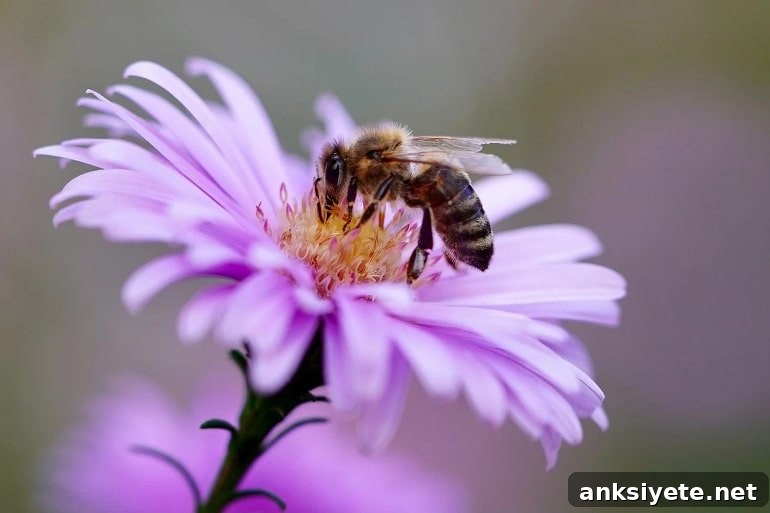
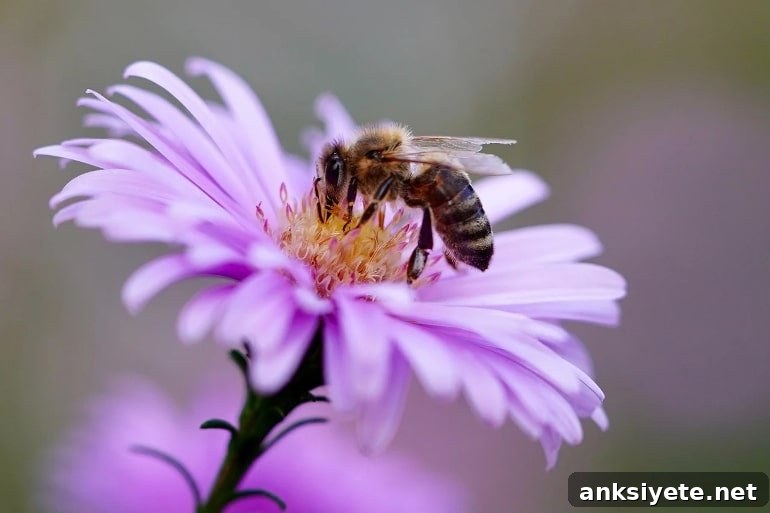
An international team of researchers has identified a gut bacterium that boosts memory in bumblebees.
Led by scientists at Jiangnan University, in collaboration with Queen Mary University of London and the University of Oulu, this study links a specific gut microbe—Lactobacillus apis—to stronger memory retention in bumblebees. The researchers found that individuals with higher levels of this bacterium performed better on learning tasks and retained learned information for longer periods.
To test learning and memory, the team trained bumblebees using artificial flowers in different colours. Five colours were paired with a sweet sucrose reward while five others were paired with a bitter quinine solution that deters feeding. The researchers measured how quickly each bee learned which colours provided the sugar reward and then tested memory retention three days later to assess long-term memory.
By sequencing microbial DNA from individual bee hindguts, the researchers compared variation in learning and memory against the abundance of different gut bacteria. This analysis revealed a positive correlation between the presence of bacteria from the Lactobacillus Firm-5 cluster—particularly Lactobacillus apis—and better memory retention in the visual discrimination task.
To establish causality, the team supplemented the bees’ diet with Lactobacillus apis and repeated the behavioural tests. Bees that received the L. apis supplement showed improved long-term memory compared with bees on a normal diet or those supplemented with other non-Firm-5 species. Metabolomic analysis after supplementation revealed biochemical changes in the bees’ hemolymph, including an increase in a specific glycerophospholipid (LPA 14:0). Oral administration of this lipid also improved long-term memory, supporting a possible molecular pathway for gut-brain communication.
These findings are published in the journal Nature Communications and contribute to growing evidence that the gut microbiome—microbial communities that live in the digestive tract—can influence animal behaviour. Because bumblebees have a simpler gut microbiome than mammals and show clear individual differences in cognition, they make a useful model for studying how specific bacterial species affect brain function.
Dr Li Li, lead author and postdoctoral researcher at Jiangnan University, said: “Our results suggest not only that natural variation in the amount of a specific gut bacterium affects memory, but also that adding that bacterial species to a bee’s diet can enhance memory.”
“Further research will be needed to determine whether similar bacteria affect cognition in humans,” Dr Li added, noting that the study highlights promising avenues for exploring gut-brain interactions across species.
Professor Lars Chittka of Queen Mary University of London, co-author of the study, commented: “This is a fascinating finding with potential implications beyond bees. It adds to mounting evidence of the importance of gut-brain interactions and helps explain cognitive variation observed in natural bumblebee populations.”
Professor Wei Zhao, corresponding author and head of the Enzymology Lab at Jiangnan University, said: “Identifying a specific memory-enhancing bacterial species is remarkable. These results support the idea that regulating gut microbiota may offer a route to influence cognitive ability.”
About this microbiome and memory research news
Author: Sophie McLachlan ([email protected])
Source: Queen Mary University of London
Contact: Sophie McLachlan – Queen Mary University of London
Image: The image is in the public domain
Original Research: Open access. “Gut microbiome drives individual memory variation in bumblebees” by Li Li, Cwyn Solvi, Feng Zhang, Zhaoyang Qi, Lars Chittka & Wei Zhao. Nature Communications
Abstract
Gut microbiome drives individual memory variation in bumblebees
The role of the gut microbiome as a driver of cognitive differences within natural animal populations is still being explored. Using metagenomic sequencing of individual bumblebee hindguts, the study finds a positive association between the abundance of the Lactobacillus Firm-5 cluster and memory retention in a visual discrimination task.
Supplementation with the Firm-5 species Lactobacillus apis, but not with other non-Firm-5 bacteria, enhances memory. Untargeted metabolomics after L. apis supplementation showed increased levels of a glycerophospholipid (LPA 14:0) in hemolymph, and oral administration of this lipid improved long-term memory. Based on metagenomic and metabolomic data, the authors propose a molecular pathway mediating this gut-brain interaction.
These results shed light on both proximate mechanisms and potential ecological reasons for cognitive differences observed among individual bumblebees, and they underline the broader significance of gut-brain connections in animal behaviour and cognition.