
Summary: Researchers have identified new genetic signatures linked to age-related macular degeneration, paving the way for improved diagnosis, personalized treatment and drug screening for this currently incurable eye disease.
Source: Garvan Institute
Researchers have moved closer to better diagnosing and treating age-related macular degeneration (AMD) by uncovering specific genetic and molecular signatures in the retinal cells affected by the disease.
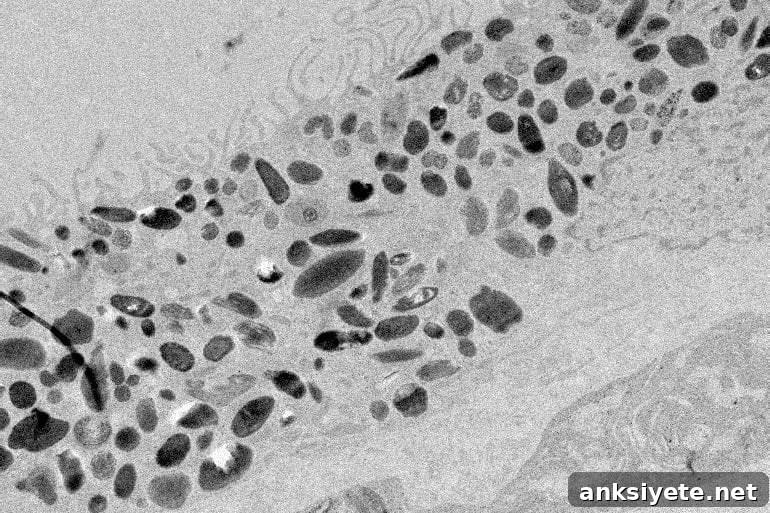
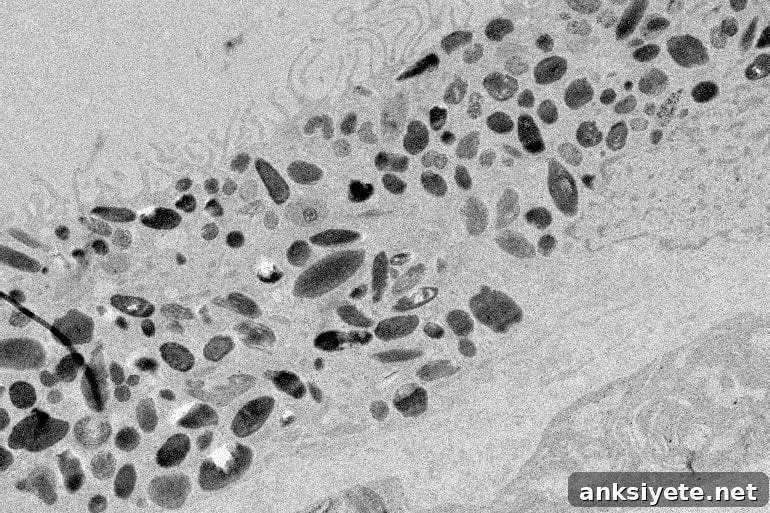
A multidisciplinary team from the Garvan Institute of Medical Research, the University of Melbourne, the Menzies Institute for Medical Research at the University of Tasmania and the Centre for Eye Research Australia reprogrammed patient skin cells into induced pluripotent stem cells (iPSCs). They then guided those iPSCs to become retinal pigment epithelium (RPE) cells—the critical cells that support the retina and are central to AMD pathology—and performed integrated DNA, RNA and protein analyses to identify disease-associated signatures.
“We examined how genetic differences between people influence the cells that drive AMD,” says joint lead author Professor Joseph Powell, Pillar Director of Cellular Science at Garvan. “By resolving the disease at the level of specific RPE cell subpopulations, we can find the genetic markers that matter most. That precision enables us to consider which therapies are likely to be most effective for each patient’s genetic profile.”
Age-related macular degeneration is a progressive deterioration of the macula, the central region of the retina responsible for sharp, central vision. AMD can lead to severe visual impairment and blindness. In Australia, about one in seven people aged over 50 are affected, and roughly 15 percent of those older than 80 experience vision loss or blindness related to the condition. The disease arises from a complex interplay of genetic and environmental factors; known risks include age, family history and smoking.
The study, published in Nature Communications, analyzed skin samples from 79 participants, including individuals with geographic atrophy—the advanced, vision-threatening form of AMD—and controls. Skin cells were reprogrammed into iPSCs and differentiated into RPE cells, which were then profiled at high resolution. The team examined 127,659 individual RPE cells to discover molecular changes linked to AMD.
From that dataset the researchers identified 439 molecular signatures associated with AMD, including 43 candidate gene variants not previously implicated in the disease. Integrating transcriptomic and proteomic data revealed pathways that are differentially regulated in diseased RPE cells. Notably, pathways related to mitochondrial function and cellular metabolism were consistently altered, highlighting mitochondrial proteins and metabolism as promising therapeutic targets to slow or change disease progression.
The identified molecular signatures also enable patient-specific drug screening in dish-based models. “Our goal is to match a patient’s genetic profile with the most effective drug,” says co-lead author Professor Alice Pébay of the University of Melbourne. “Testing treatments in disease-relevant cells gives us a practical path toward precision medicine for AMD.”
Co-lead authors Professor Powell, Professor Pébay and Professor Alex Hewitt from the Menzies Institute and the Centre for Eye Research Australia emphasize that this work builds on an established program of large-scale stem cell disease modeling. “We are scaling stem cell studies to identify targets and screen candidates for future clinical trials,” says Professor Hewitt.
The team previously used similar stem cell approaches to identify genetic signatures in glaucoma models and are extending their methods to investigate genetic contributors to Parkinson’s disease and cardiovascular disorders, demonstrating the broader applicability of patient-derived iPSC models for complex disease research.
About this genetics and vision research news
Author: Press Office
Source: Garvan Institute
Contact: Press Office – Garvan Institute
Image: The image is credited to Grace Lidgerwood
Original Research: Open access.
Title: Transcriptomic and proteomic retinal pigment epithelium signatures of age-related macular degeneration by Joseph Powell et al. Nature Communications
Abstract
Transcriptomic and proteomic retinal pigment epithelium signatures of age-related macular degeneration
There are currently no approved treatments for geographic atrophy, the advanced form of AMD, making innovative cellular models essential to preventing or delaying progression. In this study, induced pluripotent stem cells from patients with geographic atrophy and healthy controls were differentiated into retinal pigment epithelium. Integrating transcriptomic profiles of 127,659 RPE cells from 43 individuals with geographic atrophy and 36 controls with genotype data, the study identifies 445 cis-expression quantitative trait loci (eQTLs) associated with disease status and specific to RPE subpopulations.
Combined transcriptomics and proteomics reveal molecular pathways upregulated in geographic atrophy, notably mitochondrial function, metabolic processes and extracellular matrix reorganization. The researchers also report five significant protein quantitative trait loci (pQTLs) regulating protein expression in RPE and geographic atrophy, two of which overlap with cis-eQTLs and involve proteins linked to mitochondrial biology and neurodegeneration. Functional investigation confirms mitochondrial dysfunction as a core, constitutive difference in RPE cells from patients with geographic atrophy.
This work uncovers critical differences in RPE homeostasis associated with geographic atrophy and identifies candidate molecular targets for therapeutic development and precision-medicine approaches in AMD.