
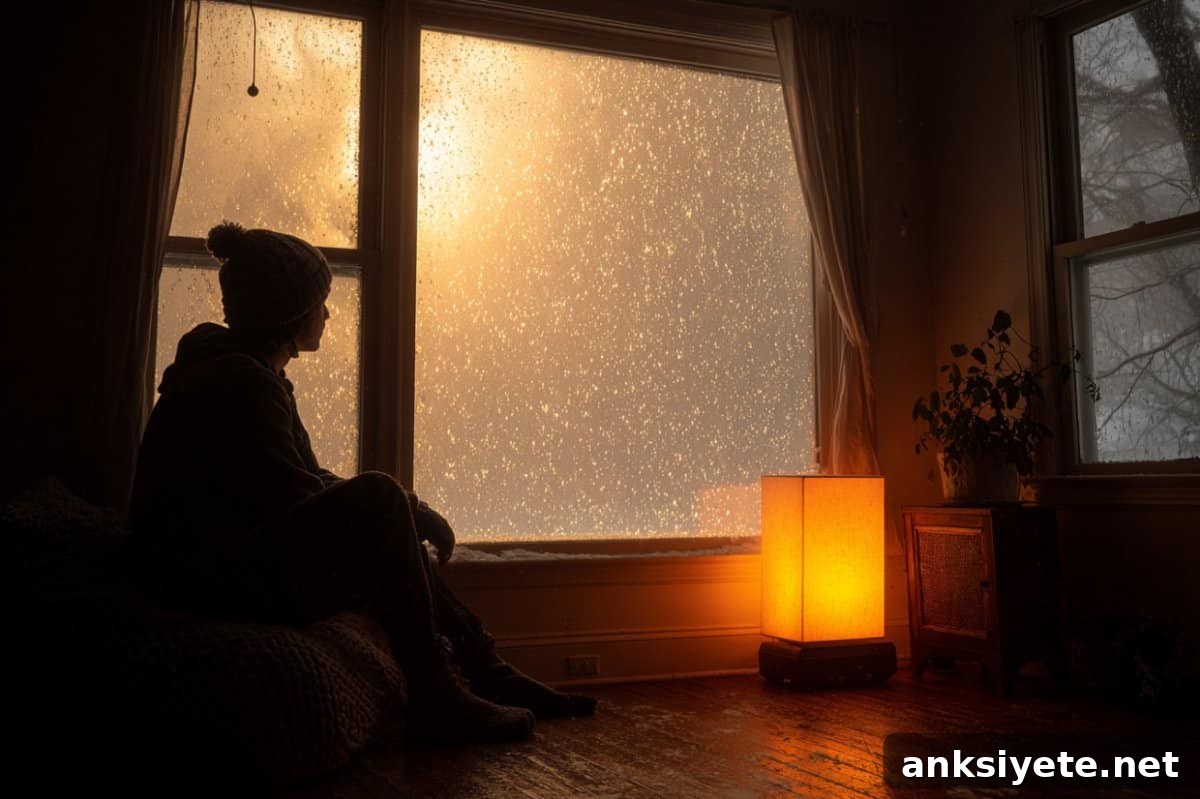
Summary: As daylight diminishes each year, many people notice lower energy or a dip in mood. For millions, these seasonal changes are more than temporary sadness—they are signs of seasonal affective disorder (SAD), a recurring form of depression tied to reduced natural light. Changes in sunlight can disrupt serotonin and melatonin levels and throw off the body’s circadian rhythm, producing persistent feelings of hopelessness, loss of interest in activities, and changes in sleep or appetite.
Clinicians emphasize that SAD can closely resemble major depressive disorder, particularly during the winter months and in higher latitudes where daylight hours shorten dramatically. Effective approaches such as light therapy, cognitive-behavioral therapy (CBT), medication when appropriate, and regular physical activity can help restore energy and mood. Beginning treatment or preventive strategies early in the season often improves outcomes.
Key Facts
- Sunlight and mood: Reduced exposure to natural light can alter brain chemicals and circadian timing, which may trigger depressive symptoms.
- Seasonal pattern: Symptoms commonly start in autumn, intensify through winter, and ease in spring as daylight increases.
- Proven treatments: Bright light therapy, psychotherapy such as CBT, medication where indicated, and consistent daily routines can all reduce symptom severity; early intervention is helpful.
Source: West Virginia University
Don’t minimize the winter blues.
Stephanie Cox, a professor in the Department of Behavioral Medicine and Psychiatry at the WVU Rockefeller Neuroscience Institute and the WVU School of Medicine, notes that seasonal affective disorder is a recognizable, treatable form of depression that affects millions of people and merits serious attention.
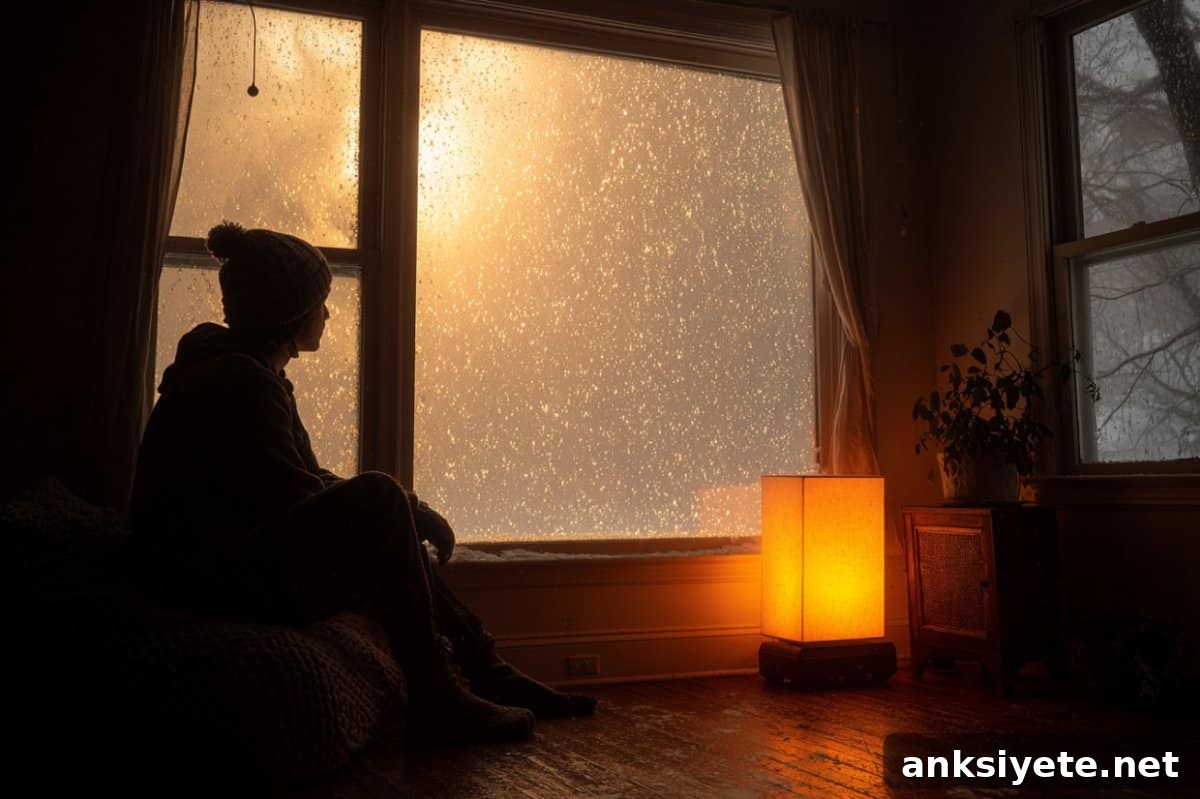
Cox is available to discuss how to recognize the causes and symptoms of SAD and to explain the range of treatments that can provide relief. She emphasizes that the condition is linked to reduced light exposure and that the resulting changes in melatonin, serotonin, and circadian rhythms can meaningfully affect mood and energy levels.
What to recognize and look for:
Many people feel slightly down or sluggish when days are short, but SAD is different because symptoms are persistent and interfere with daily life. Typical signs include increased or restless sleep, difficulty concentrating, withdrawal from favorite activities, feelings of hopelessness, and shifts in appetite or carbohydrate cravings. The pattern is often predictable: symptoms emerge in the fall, continue through winter, and remit in spring.
Treatment options and prevention:
Light therapy is among the most commonly recommended treatments. It involves daily sessions in front of a light box that emits about 10,000 lux of white light for roughly 30 to 60 minutes, usually in the morning. Psychotherapy, especially cognitive-behavioral therapy adapted for seasonal depression, can help people change negative thought patterns and develop coping strategies. Antidepressant medications may be appropriate for some individuals, particularly when symptoms are severe or when there is a history of major depression. Lifestyle measures also matter: regular exercise, consistent sleep-wake times, and making home and work environments brighter during darker months can reduce symptom severity.
For people who experience this predictable seasonal pattern, starting treatment or preventive behaviors early in the fall can blunt the full development of symptoms. Consulting a health care provider helps determine which combination of light therapy, psychotherapy, medication, and lifestyle adjustments is best for an individual’s needs.
“Seasonal affective disorder occurs at certain times of the year, most often during the winter and especially in northern latitudes,” Cox explains. “This decrease in light can affect neurotransmitters in the brain, such as melatonin and serotonin, and disrupt the body’s circadian rhythm. Because SAD is considered a type of depressive disorder, its symptoms can be very similar to major depressive disorder.”
Key Questions Answered:
A: A reduction in natural sunlight disrupts brain chemistry and circadian rhythms, which can lower mood and energy levels.
A: SAD produces persistent, recurring symptoms—such as pronounced fatigue, loss of interest, concentration problems, and changes in sleep or appetite—that interfere with everyday functioning, rather than a temporary dip in mood.
A: A combination of bright light therapy, psychotherapy (especially CBT), medication when needed, structured daily routines, physical activity, and early seasonal planning can help rebalance mood and prevent symptom escalation.
About this SAD and mental health research news
Author: Linda Skidmore ([email protected])
Source: West Virginia University
Contact: Linda Skidmore – West Virginia University
Image: The image is credited to Neuroscience News