
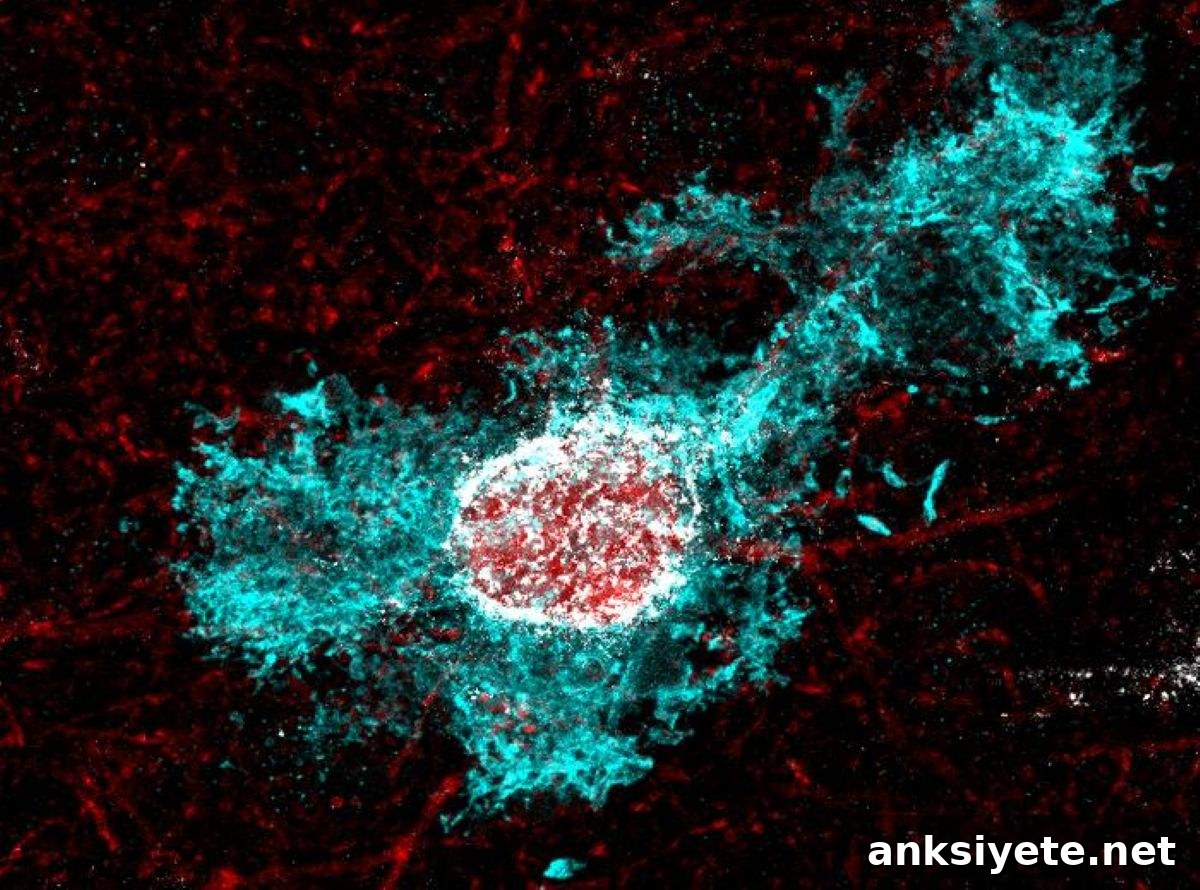
Summary: A developmental neurobiology study from Harvard reveals a previously unmapped molecular pathway that controls brain plasticity in early life and explains how critical periods close. The research shows that the stress hormone cortisol (corticosterone in mice) functions like a biological clock: when it rises after sensory experience, it triggers a gene program in astrocytes that accelerates maturation of the extracellular matrix around neurons, forming perineuronal nets that lock in neural circuits and end heightened infant learning.
By activating more than 100 genes in star-shaped glial cells called astrocytes, circulating cortisol promotes the rapid assembly of rigid extracellular structures that reduce synaptic turnover. This discovery connects sensory experience, systemic stress hormones, astrocyte signaling and the physical stabilization of neural circuits during development.
Key Facts
- Critical-period closure explained: Critical periods are windows of heightened plasticity after birth when the brain is especially sensitive to sensory input. How and when those windows close has been a longstanding question in neurodevelopment.
- Astrocyte glucocorticoid signaling: Single-cell sequencing in the mouse visual cortex showed that light exposure stimulates adrenal release of corticosterone, which binds glucocorticoid receptors on astrocytes and initiates a cell-type-specific transcriptional program.
- Perineuronal nets form the lock: The astrocyte gene program promotes maturation of the extracellular matrix and formation of perineuronal nets, rigid structures that limit formation and turnover of synapses and contribute to the end of critical periods.
- Plasticity can be restored: Mice reared in darkness did not activate the pathway and showed delayed critical-period closure. Genetically removing glucocorticoid receptors in adult mice reopened closed critical periods and restored youthful plasticity.
- Conserved in humans: Analysis of an existing single-cell human brain dataset indicates a similar astrocytic pathway emerges in human infancy and peaks around adolescence.
- Broader implications: Because cortisol circulates systemically, this pathway may influence timing of maturation across multiple brain regions and could be relevant to neurodevelopmental disorders where critical-period timing is altered.
Source: Harvard
Researchers uncover a hormone-driven mechanism that times critical-period closure
In early life, critical periods allow sensory experience to shape neural circuits in ways that last into adulthood. The new Harvard-led study identifies a signaling cascade linking sensory-driven cortisol release to astrocyte gene activation and maturation of the neuronal extracellular matrix, providing a mechanistic explanation for how those windows close.
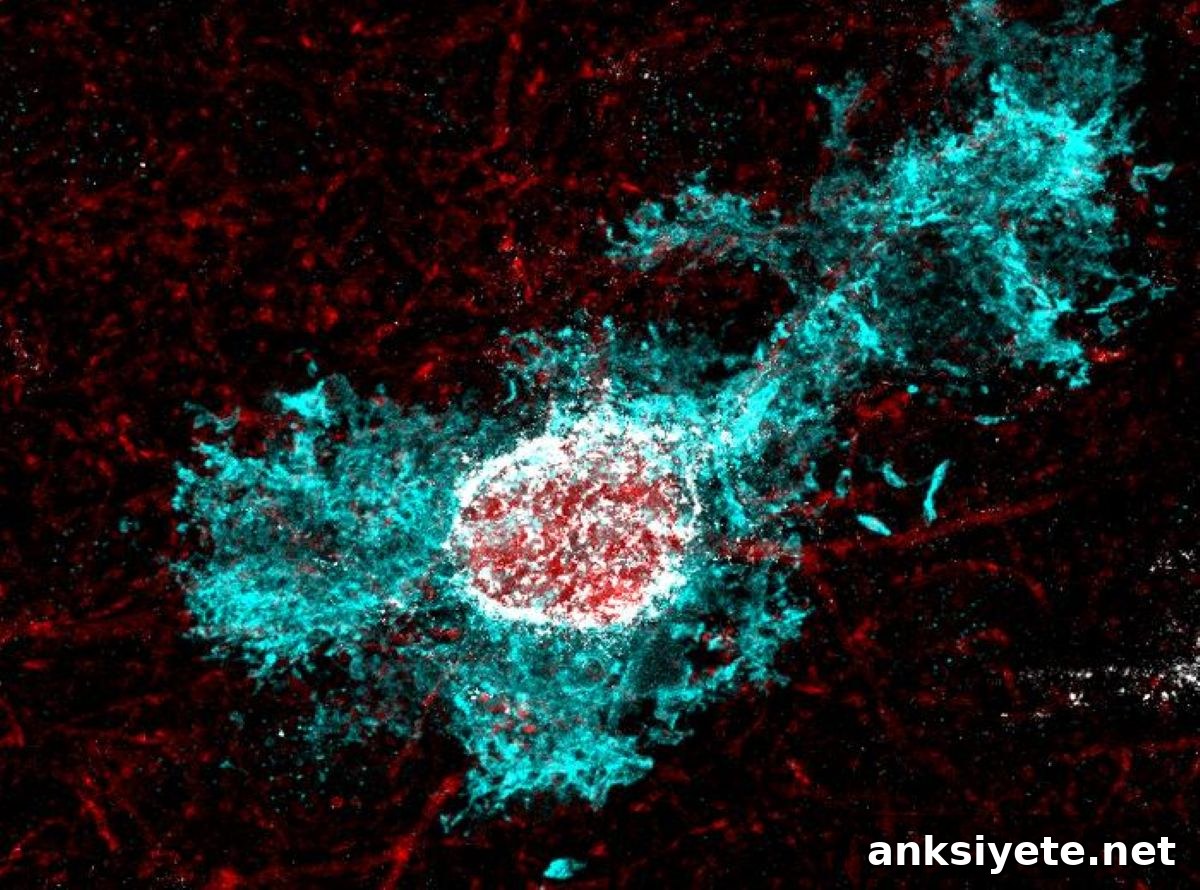
Using paired single-cell transcriptomics and chromatin accessibility profiling in mouse visual cortex, the team traced how light exposure elevates corticosterone, which then recruits the glucocorticoid receptor (Nr3c1) in astrocytes. That recruitment launches a large gene regulatory program that drives extracellular-matrix maturation, including assembly of perineuronal nets, which physically constrain synaptic remodeling.
Mice reared in the dark failed to engage this pathway and showed delayed maturation of the matrix and prolonged plasticity. Conversely, targeted removal of astrocyte glucocorticoid receptors in adult mice led to dissolution of the rigid extracellular structures and reopening of previously closed critical periods, demonstrating that the process is reversible in this model.
The investigators then examined human single-cell data and found evidence that a similar astrocyte glucocorticoid receptor-driven program appears during infancy and intensifies through adolescence, suggesting conservation of the mechanism across species.
Digging into the details
The research group plans to characterize the individual genes within the 100-plus gene program activated in astrocytes to determine how each contributes to perineuronal-net formation and neuronal circuit stabilization. They will also study how variations in early-life cortisol—such as those caused by stress—impact this pathway, and whether the same mechanism operates in other brain regions involved in learning and memory.
Understanding astrocyte glucocorticoid signaling may illuminate why critical periods sometimes close too early or remain open too long in neurodevelopmental and psychiatric conditions, and could eventually suggest strategies to modulate plasticity for therapeutic benefit.
Authorship, funding, disclosures
Authors include Bruno Gegenhuber (first author), Takuma Sonoda, Lisa Traunmüller, Christopher P. Davis, Shon A. Koren, Eric C. Griffith, Chinfei Chen and Michael E. Greenberg (senior author).
Funding: National Institutes of Health (R35NS143029, T32 NS007473, F32 NS112455), Harvard Neuroscience Louis Perry Jones Fellowship (F32 NS134623), EMBO Postdoctoral Fellowship, Human Frontier Science Program Long-Term Fellowship, William Randolph Hearst Fund, Harvard Mahoney Neuroscience Institute, NSF Graduate Research Fellowship, and support from the Yang Tan Collective at Harvard University (K. Lisa Yang Brain Body Center and Tan Yang Autism Research Center).
Key Questions Answered:
A: Sensory triggers such as light stimulate adrenal release of cortisol (corticosterone in mice). The hormone binds to glucocorticoid receptors on astrocytes, activating a transcriptional program of over 100 genes that matures the extracellular matrix and forms perineuronal nets. Those rigid structures reduce synaptic turnover and effectively close the critical window for rapid, experience-dependent rewiring.
A: In mice, yes. Genetic removal of astrocyte glucocorticoid receptors in adult animals removed extracellular-matrix constraints and reopened previously closed critical periods, restoring experience-driven plasticity.
A: Many neurodevelopmental and psychiatric conditions are associated with altered timing of brain maturation. If the astrocyte glucocorticoid receptor pathway functions similarly in humans, it could explain premature or prolonged critical-period closure and offer a target for interventions that adjust developmental timing.
Editorial Notes:
- This article was edited by a Neuroscience News editor.
- The original journal paper was reviewed in full.
- Additional context was added by editorial staff.
About this neurodevelopment and brain plasticity research news
Author: Katie Brace
Source: Harvard Medical School
Contact: Katie Brace – Harvard
Image credit: Greenberg Lab
Original Research (open access): “Astrocyte glucocorticoid receptor signalling restricts neuronal plasticity” by Bruno Gegenhuber, Takuma Sonoda, Lisa Traunmüller, Christopher P. Davis, Shon A. Koren, Eric C. Griffith, Chinfei Chen & Michael E. Greenberg. Published in Nature. DOI: 10.1038/s41586-026-10512-9
Abstract
Astrocyte glucocorticoid receptor signalling restricts neuronal plasticity
Sensory experience refines neural circuits during postnatal critical periods. While neuronal activity shapes circuit wiring, the environmental cues and cell-type-specific mechanisms that restrain developmental plasticity as animals mature are less clear. Using paired single-cell transcriptomic and chromatin-accessibility sequencing in mouse primary visual cortex across postnatal development, the study identifies activity-dependent gene programs in each cortical cell type and shows that light exposure drives astrocyte maturation by recruiting the glucocorticoid receptor (Nr3c1) to chromatin.
Astrocyte glucocorticoid receptor signaling activates an extensive gene regulatory program that is partially conserved in human brain development and promotes maturation processes, including extracellular-matrix assembly and perineuronal-net formation, that may regulate critical-period closure. These results reveal that astrocyte glucocorticoid signaling restricts neuronal plasticity and suggest that glucocorticoid regulation of astrocyte maturation may contribute to the effects of early-life stress and influence susceptibility to neuropsychiatric disease.