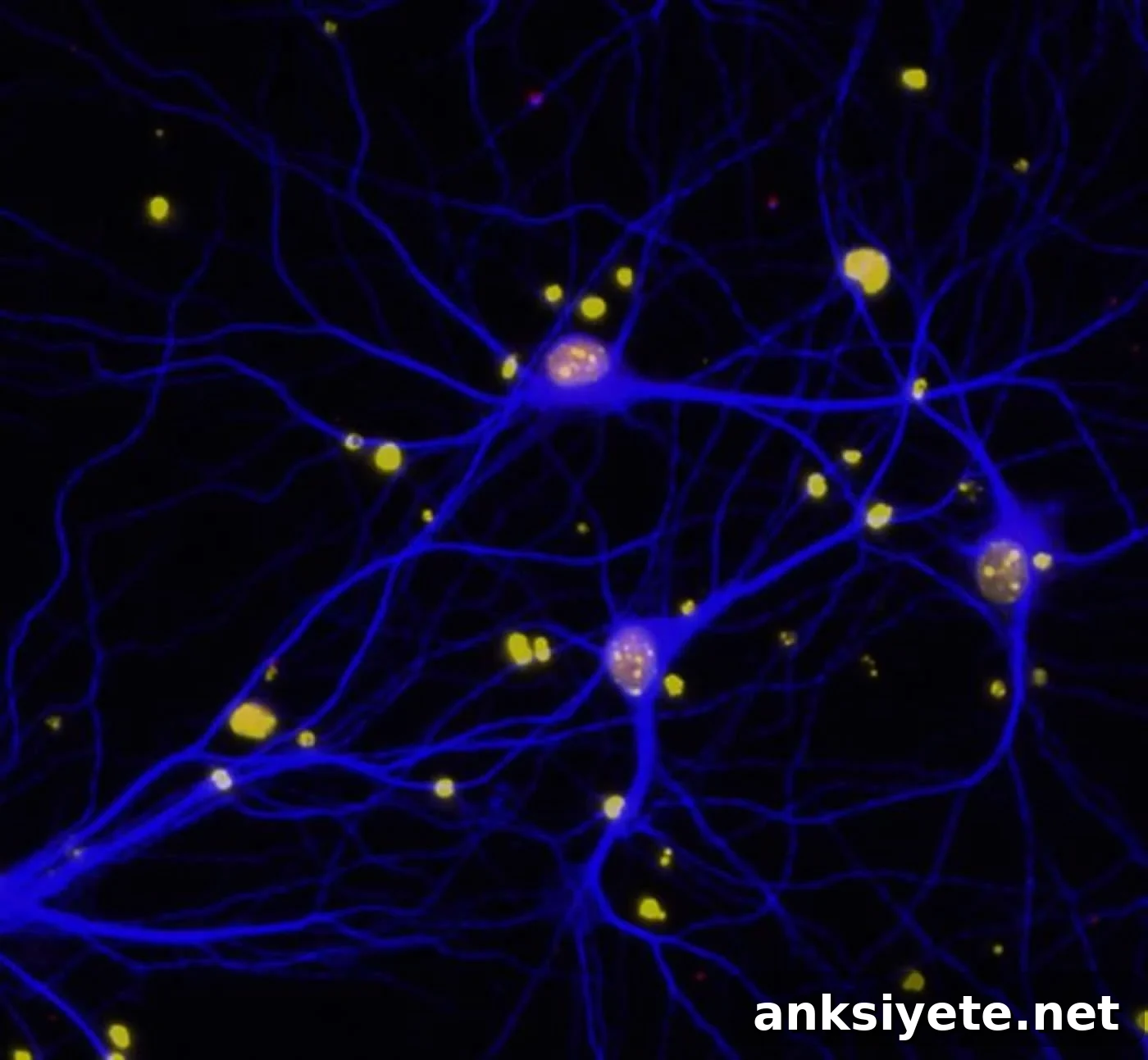
How the Brain’s Reward Maps Adapt to New Experiences
Summary: A new study shows the brain can rapidly reconfigure itself to encode rewarding experiences—like finding food—even when the reward’s location changes.…
Topic
Topics
Summary: A new study shows the brain can rapidly reconfigure itself to encode rewarding experiences—like finding food—even when the reward’s location changes.…
Summary: A new study explains how people solve complex problems by flexibly using strategies such as hierarchical and counterfactual reasoning. In the…
Summary: Researchers have identified neurons in the ventral hippocampus that form “meal memories,” encoding both what and when food was consumed. These…
Summary: Circular RNAs (circRNAs) are stable, closed-loop RNA molecules that play important roles in brain development, synaptic function, and long-term cellular regulation.…
Summary: A comprehensive meta-analysis confirms that adults commonly exaggerate vowel sounds when speaking to infants—an effect known as vowel hyperarticulation in infant-directed…
Summary: New research identifies a stress-sensitive neural circuit that links disrupted sleep and impaired memory in male mice. By selectively activating neurons…
Summary: A controlled clinical study found that two guided psilocybin sessions produced substantial and lasting improvements in psychological well-being, spiritual insight, and…
Summary: Late-onset depression and bipolar disorder may be early indicators of neurodegenerative disease rather than solely psychiatric conditions. Using advanced tau and…
Summary: New research from UC San Diego suggests that sticky sugar chains called heparan sulfate (HS) within Bruch’s membrane may capture lipoproteins…
Summary: New research presented at the SLEEP 2025 meeting links poor sleep quality to increased feelings of jealousy in people who report…
Readers are exploring