How Math Explains Circadian Sleep Shifts With Age and Light
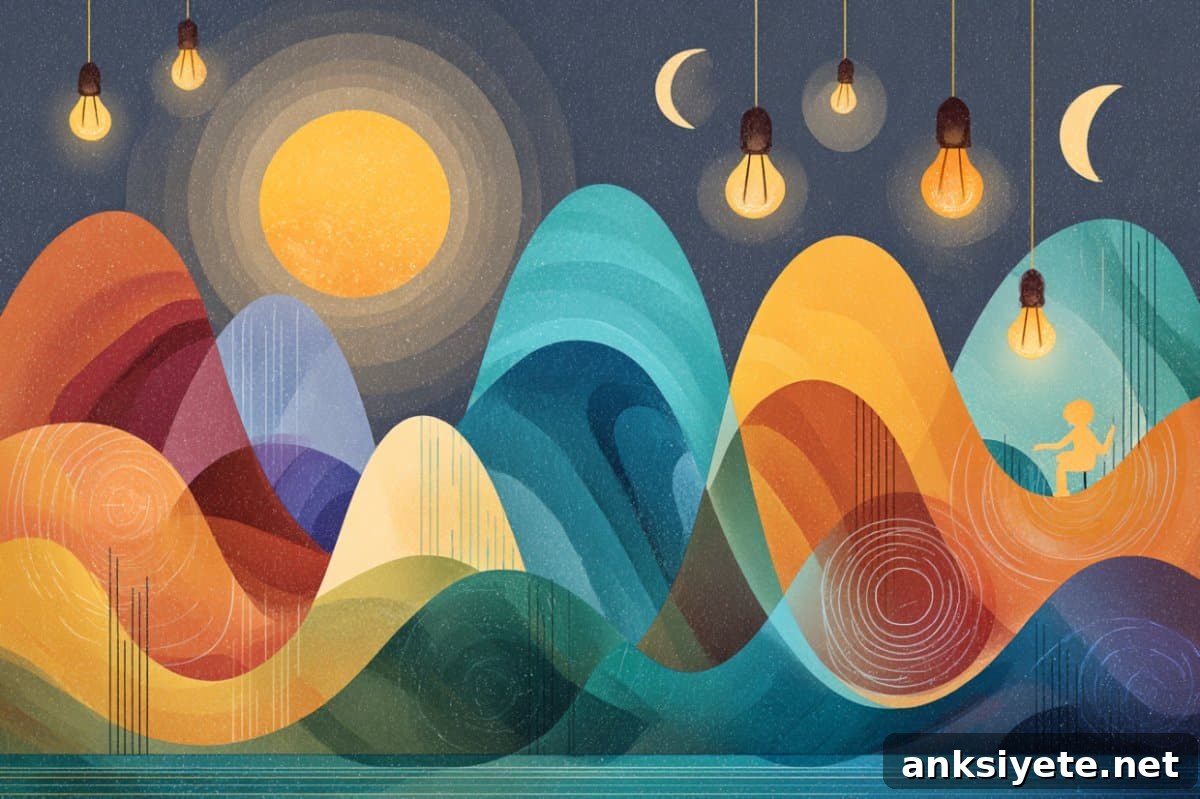
Summary: A new mathematical study explains why sleep patterns vary across the lifespan — why babies nap unpredictably, teenagers stay up late,…
Topic
Topics
Summary: A new mathematical study explains why sleep patterns vary across the lifespan — why babies nap unpredictably, teenagers stay up late,…
Summary: Researchers have created a computational “aging clock” that measures the biological age of brain cells and pinpoints compounds with potential to…
Summary: Researchers warn of a new disinformation tactic called “AIPasta” — a method that uses generative AI to produce many slightly different…
Summary: A new study from Okayama University shows that pleasant touch strengthens social bonds between humans and rats by activating oxytocin signaling…
Summary: New research suggests the Covid-19 pandemic may have accelerated brain ageing in the general population, including people who were never infected.…
Summary: Scientists have explained how our internal clocks preserve a roughly 24-hour rhythm even as temperatures change. By applying physics-based mathematical methods…
Summary: Researchers have built the first practical sort-in-memory hardware system that handles complex, nonlinear sorting without conventional comparators. By combining a novel…
Summary: A large national study found that greater exposure to green space before birth and during early childhood is associated with lower…
Summary: New research reveals how tau pathology spreads and damages synapses in progressive supranuclear palsy (PSP). Using human postmortem tissue and live…
Summary: New research demonstrates that the brain’s slow oscillations and sleep spindles—two critical rhythms that support memory consolidation during non‑REM sleep—are influenced…
Readers are exploring