
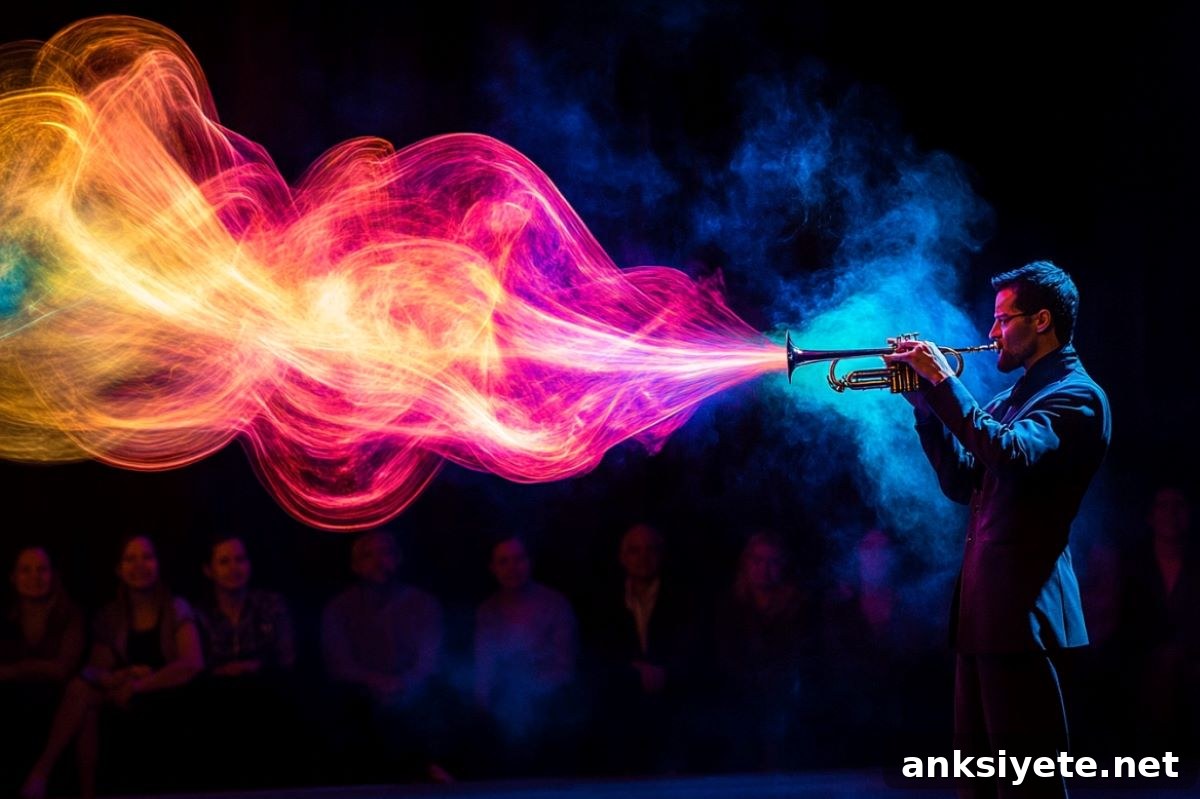
Summary: A recent article in the journal Trends in Cognitive Sciences examines why magic that depends only on sound is so uncommon, despite the abundance of auditory illusions in daily life. The authors argue that fundamental differences in how the brain treats sight and sound—especially the way vision is tied to the current state of the world while sound is more transient—make purely auditory magic difficult to achieve. They also highlight the opportunity and ethical imperative to develop auditory tricks that are accessible to people who are blind.
Magicians have long relied on visual deception—sleight of hand, misdirection, and visual misperception—to produce astonishing effects. In contrast, tricks that rely exclusively on hearing are rare, even though our auditory system produces many compelling illusions: stereo panning and interaural time differences create spatial impressions; the Shepard tone produces the sensation of an endlessly rising pitch; and studio and film sound design routinely manipulate emotional responses through carefully crafted audio.
The article, led by Gustav Kuhn, Associate Professor of Psychology at the University of Plymouth, explores why auditory-only magic remains elusive. The team proposes that the answer lies in how we weight sensory information and how perception represents reality. People generally place greater trust in vision than hearing, so violations of visual expectations produce stronger surprise and stronger feelings that “the impossible” has occurred. Vision tends to present a stable representation of the object’s or scene’s current state, whereas sound more often conveys information about events that have already taken place. Because much of what makes a magic trick feel magical is the manipulation of the perceived present state of the world, that temporal difference weakens the potential for auditory-only effects.
Kuhn points out a subtle distinction: we typically say we “saw” an object but that we “heard the sound of” something. This linguistic tendency mirrors deeper cognitive differences: sight anchors our perception to objects and their properties in the present, while sound is more transient and event-focused. Those differences, the authors suggest, help explain why manipulation of vision yields more convincing magical experiences.
- Sound-based magic is rare, likely because the brain processes auditory and visual input differently.
- Vision is typically trusted as a representation of the present world, while sound often reports past or transient events.
- Researchers have launched a challenge inviting magicians to design tricks that rely only on sound to stimulate creative solutions and increase accessibility.
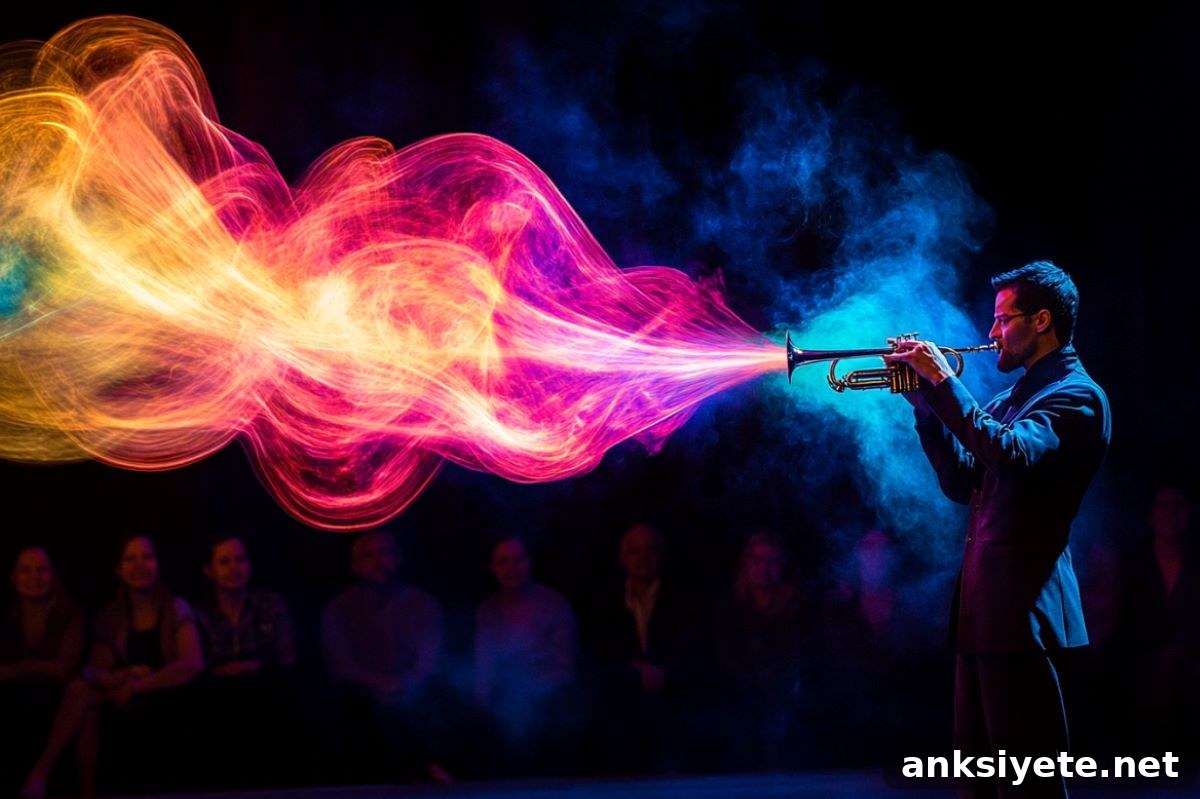
The authors acknowledge that auditory illusions are powerful and widespread, used in music, film, and auditory display technologies, yet they remain underused as the primary mechanism for stage or performance magic. One possible explanation is that magicians historically evolved techniques around the most reliable and impactful senses—chiefly vision. Another possibility is practical: magicians may have rarely attempted to build entire routines around sound alone. To test these ideas and encourage innovation, the research team launched a competition asking magicians to design tricks that use only sound; the team expects to report results from this challenge in November 2024.
Beyond theoretical interest, the work has practical and inclusive implications. If auditory magic can be developed into robust, repeatable effects, it could expand the cultural and recreational experience of magic to people with blindness or visual impairment. The article calls for interdisciplinary collaboration—between psychologists, cognitive scientists, sound designers, and performers—to investigate sensory differences, experiment with new formats, and ultimately broaden who can enjoy and participate in magic performances.
“Magic should not rely on vision alone,” Kuhn notes. “We don’t yet understand all the reasons auditory tricks are so hard to perform, but the question opens a path to both scientific insight and greater inclusivity in the performing arts.”
Funding: This research was supported by a grant from the Agence Nationale de Recherche.
About this auditory perception research news
Author: Kristopher Benke
Source: Cell Press
Contact: Kristopher Benke – Cell Press
Image: The image is credited to Neuroscience News
Original Research: Open access. “Magic for the blind: Are auditory tricks impossible?” by Gustav Kuhn et al., published in Trends in Cognitive Sciences.
Abstract
Magic for the blind: Are auditory tricks impossible?
Many magic effects rely predominantly on visual perception, while very few depend solely on audition. This article questions why auditory-only tricks are so rare and suggests that focused research on this topic could deepen our understanding of sensory similarities and differences while promoting inclusive approaches to performance.