
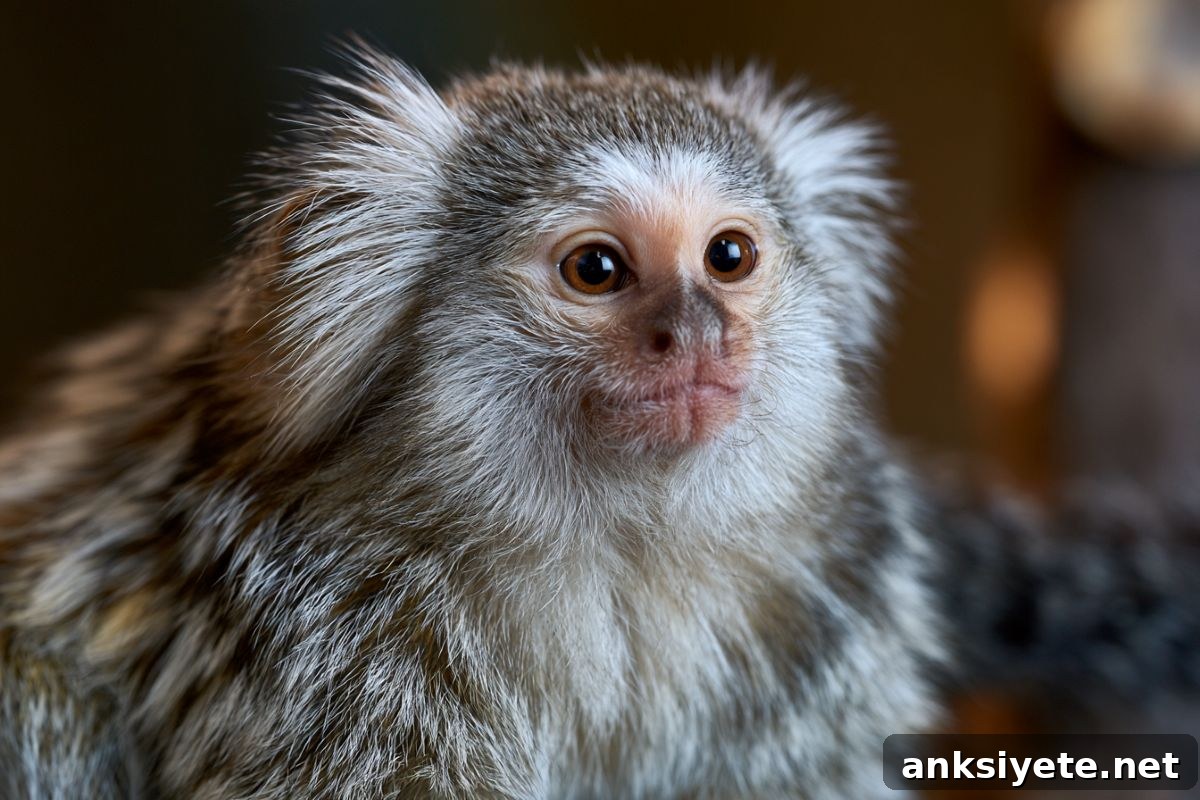
Summary: The common marmoset, a New World primate closely related to humans, naturally shows age-related cognitive decline, making it a valuable model for neurodegenerative disease research. Using a telomere-to-telomere (T2T) reference together with population genomic data from 230 individuals, researchers at the UC Santa Cruz Genomics Institute produced a complete, gapless marmoset genome and mapped high-quality references for 76 genes linked to Alzheimer’s and Parkinson’s diseases. The work also revealed previously unreported transcript isoforms of the early-onset Alzheimer’s gene PSEN1.
Beyond neurodegeneration-related genes, the team fully resolved the complex Major Histocompatibility Complex (MHC) immune region, uncovered dynamic, previously uncatalogued ribosomal DNA (rDNA) chromosome shuffling, and demonstrated that the T2T assembly approach can be scaled to support broad comparative genomics and foundations for personalized medicine.
Key Facts
- First Gapless Primate T2T Reference: The project produced the first complete telomere-to-telomere genome assembly for a New World primate, proving T2T methods developed for humans can be extended to non-human models.
- Neurodegenerative Disease Gene Mapping: High-quality sequences were generated for 76 marmoset genes that correspond to human Alzheimer’s and Parkinson’s risk loci, showing population variation in marmosets mirrors medically relevant patterns seen in humans.
- Novel PSEN1 Isoforms: The study identified previously undescribed transcript variants of PSEN1, the most common genetic cause of early-onset familial Alzheimer’s disease, opening new avenues to investigate alternative splicing in neurodegeneration.
- Complete MHC Resolution: The research team fully mapped and annotated the highly repetitive MHC region, creating an accurate baseline for primate immunology and autoimmune disease modeling.
- Dynamic rDNA Shuffling: Marmosets were found to exchange ribosomal DNA arrays between non-homologous chromosomes and display sex-specific rDNA distribution patterns not previously documented in this species.
Source: UC Santa Cruz
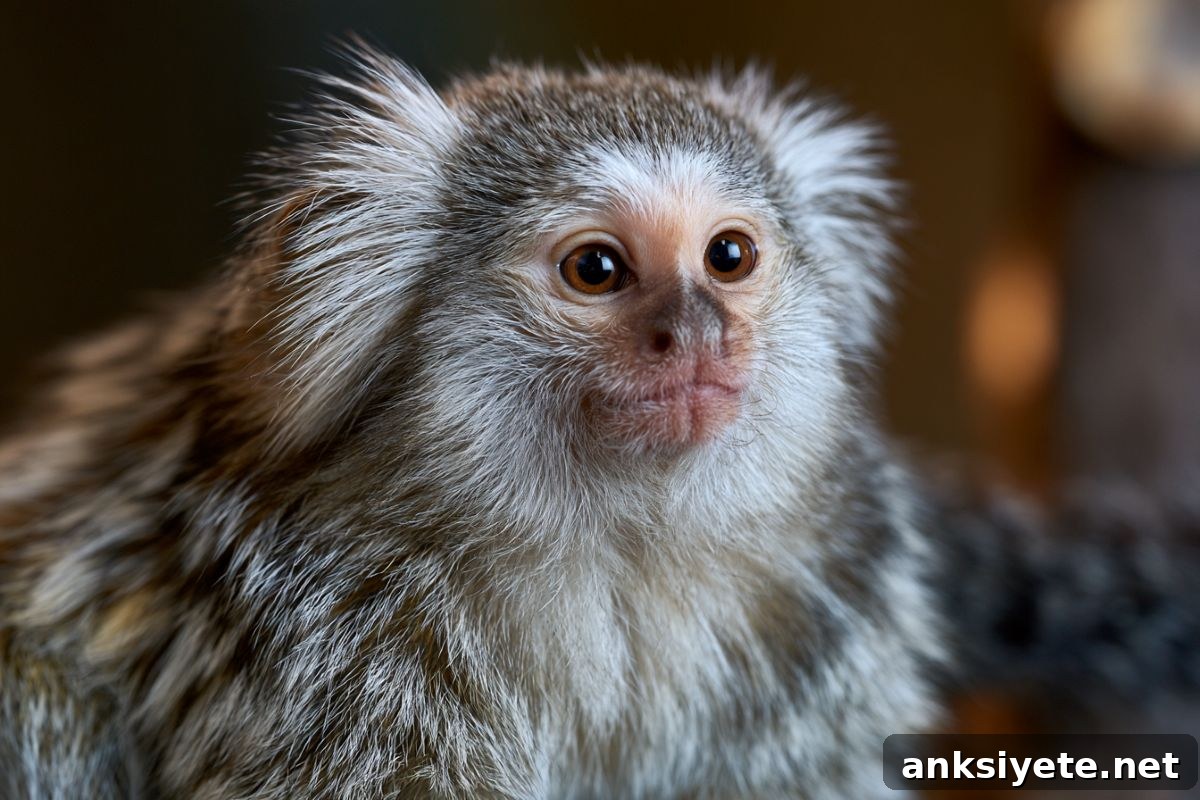
Why this matters: To understand complex conditions such as Alzheimer’s, researchers study how genes change and malfunction across species. Marmosets—small New World monkeys—are especially useful because they share closer genetic, anatomical, and physiological similarities with humans than rodent models, and they naturally undergo age-related memory decline. Until now, researchers lacked a fully complete, gapless reference genome for this species.
The new gapless marmoset genome, produced by the UC Santa Cruz Genomics Institute as part of the Telomere-to-Telomere (T2T) Consortium, provides a definitive reference for genetic and functional studies. This resource enables precise mapping of genetic variation, discovery of previously hidden genomic features, and improved comparative analyses relevant to disease and evolution.
The study is published in Cell. Led by UC Santa Cruz Ph.D. student Prajna Hebbar and Professor Benedict Paten, the project builds on the consortium’s earlier achievements, including the first complete human genome. The T2T group continues to improve algorithms and reduce costs, making complete genomes more accessible for diverse species.
This marmoset genome is part of a package of studies demonstrating that the T2T pipeline is becoming routine and applicable across species. As the process becomes more automated and cost-effective, it lays the groundwork for scalable comparative genomics and future personalized genomics, where an individual’s complete genome could serve as a clinical reference.
“Routine T2T genomics lets us access complex genomic regions that were previously unreachable,” said Hebbar. “Now we can focus on biological insights that matter to human health rather than technical limitations.”
A better reference
Marmosets occupy a useful niche in biomedical research: they are closer to humans than mice but are smaller and easier to maintain than larger primates. The first marmoset reference genome from 2014 left gaps and unresolved repetitive regions, which limited accurate variant discovery. Using improved T2T algorithms and long-read sequencing, the new reference fills those gaps and documents several complex genomic features for the first time.
With the gapless reference, researchers analyzed genomic variation across 230 marmosets and detected variation in many genes associated with Alzheimer’s and immune function, providing a richer resource for modeling disease mechanisms and testing therapies.
Alzheimer’s-associated genes
Given the marmoset’s growing role in neurodegenerative disease research, the team focused on genes linked to Alzheimer’s and Parkinson’s disease in humans. They produced high-confidence references for 76 corresponding marmoset genes, enabling more accurate functional and comparative studies. Transcriptomic data revealed previously unknown transcript variants for several genes, notably PSEN1. Determining the functional impact of these variants will require further study, but the discovery would not have been possible without a complete T2T reference.
Immune system genes, sex differences, and other findings
The Major Histocompatibility Complex (MHC) underpins immune recognition and affects susceptibility to autoimmune conditions. The new assembly fully resolves the marmoset MHC and annotates complex genes that were previously uncharacterized. The genome also shows that ribosomal DNA arrays move between chromosomes more freely than expected, with sex-specific distribution patterns similar to observations in some other primates. Researchers additionally identified centromere patterns that invite further investigation.
These findings expand what is knowable about genomic regions that were long avoided because of technical challenges. As Hebbar notes, this is an especially exciting time for genomics research: many complex regions are now accessible for detailed study.
UC Santa Cruz contributors to this work include Karen Miga, Hailey Loucks, Joshua Gardner, Harrison Heath, Mira Mastoras, Brandy McNulty, Julian Menendez, William Seligmann, and Ivo Violich.
Funding: This research was supported by the National Institutes of Health and involved collaborations with institutions including the Jackson Laboratory, the University of Pittsburgh, the University of Washington, Oregon Health & Science University, the Stowers Institute for Medical Research, and the German Primate Center.
Key Questions Answered:
A: Marmosets are New World primates that share closer genetic and physiological similarities with humans than rodent models. They naturally develop age-related cognitive decline, and their small size and relative ease of care make them feasible for longitudinal studies of Alzheimer’s and Parkinson’s disease.
A: The 2014 reference contained gaps, structural errors, and unresolved repetitive regions that hindered accurate variant detection. The T2T assembly is gapless and resolves complex elements such as centromeres, rDNA arrays, and the MHC with high precision, enabling more reliable genetic and functional analyses.
A: Applying T2T assembly to diverse species shows the method is scalable and cost-efficient. This advances comparative evolutionary genomics and moves the field closer to practical, affordable personalized genomics, where complete, gapless individual genomes could inform precision medicine.
Editorial Notes:
- This article was edited by a Neuroscience News editor.
- Journal paper reviewed in full.
- Additional context added by staff.
About this genetics and Alzheimer’s disease research news
Author: Emily Cerf
Source: University of California – Santa Cruz
Contact: Emily Cerf – University of California – Santa Cruz
Image: Credit: Neuroscience News
Original Research: The findings are published in Cell.