
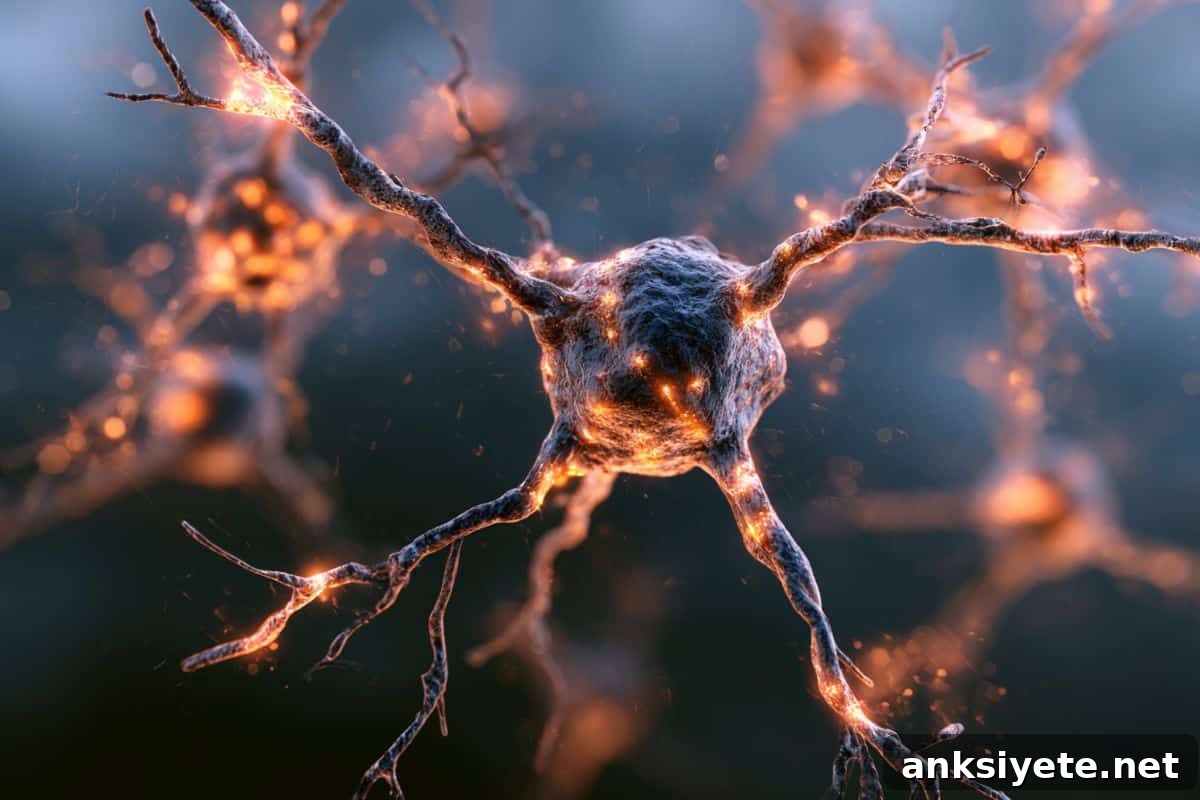
Summary: A new clinical study shows that the Bacillus Calmette–Guérin (BCG) vaccine remodels the immune environment around the human brain and spinal cord. Tracking older adults for 12 months, researchers found that BCG increases the responsiveness of immune cells within the central nervous system (CNS) without provoking harmful inflammation. In participants without pre-existing Alzheimer’s pathology, the vaccine shifted the balance of amyloid-beta clearance, promoting movement of this neurotoxic protein from cerebrospinal fluid into the bloodstream.
These results suggest a potential preventive role for BCG in preserving brain health by enhancing CNS immune function and promoting removal of toxic proteins before structural neurodegenerative changes occur.
Key Facts
- The blood–brain immune connection: Prior research demonstrated BCG’s ability to reprogram immune traits in circulating blood cells. This study provides the first direct evidence that those immunological changes extend into cerebrospinal fluid, altering the immune landscape that surrounds the brain and spinal cord.
- Enhanced defense without chronic inflammation: After intradermal vaccination, participants’ CNS immune cells showed a heightened, durable responsiveness to immune challenges. Importantly, this increased vigilance did not coincide with elevated baseline inflammatory markers—an essential safety consideration because persistent neuroinflammation is linked to neuronal damage.
- 12-month amyloid clearance shift: In older adults without Alzheimer’s biomarkers, BCG led to a pronounced change in amyloid-beta dynamics: levels in cerebrospinal fluid fell while levels in blood rose over the year, indicating enhanced removal of soluble amyloid from the CNS into systemic circulation for disposal.
- Timing matters: The amyloid-shifting effect was absent in participants who already showed biomarker evidence of Alzheimer’s pathology. This divergence suggests BCG’s benefits may be limited to early preventive use rather than treatment of established disease.
- Decades of off-target findings: Investigators at Mass General Brigham have studied BCG’s broader immunomodulatory effects for more than 20 years. The vaccine is being evaluated in late-stage trials for type 1 diabetes and has been tested in trials related to COVID-19.
- Context and scope: The study focused on a targeted late-life vaccination strategy in older American adults. It did not assess long-term neurological outcomes from childhood BCG programs used routinely at birth in many regions of Africa, Southeast Asia, and parts of Eastern Europe.
Source: Mass General
Overview: Researchers at Mass General Brigham report that the BCG vaccine, administered through the skin to prevent tuberculosis, can reprogram immune cells in the fluid that surrounds the brain and spinal cord. This immune remodeling may explain previously observed links between BCG exposure and reduced Alzheimer’s risk.
The year-long investigation found that BCG increased innate immune responsiveness within the CNS and altered Alzheimer’s-related biomarkers in older adults who had no evidence of Alzheimer’s pathology at baseline. These changes were not observed in participants who already had biomarker-confirmed Alzheimer’s disease.
Findings are published in Communications Medicine.
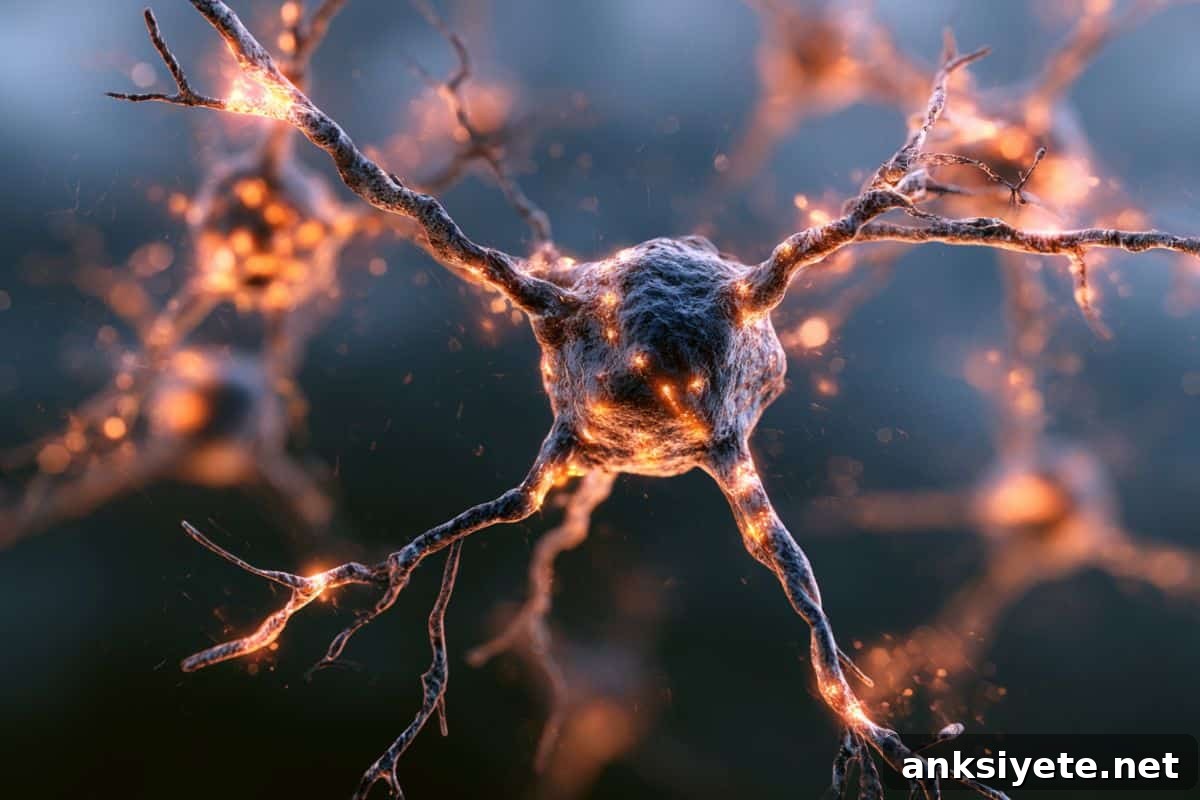
“The immune system and the brain may be far more connected than we once thought,” said Steven Arnold, MD, managing director of the Interdisciplinary Brain Center at Mass General Brigham Neuroscience Institute and co-corresponding author. “The next step is to test this rigorously in larger, controlled studies, particularly for prevention—where the goal would be to preserve brain health before significant Alzheimer’s disease develops.”
Mass General Brigham researchers have explored a variety of BCG’s off-target effects on immunity and metabolism, including ongoing Phase III trials in type 1 diabetes and prior COVID-19 trials. Earlier preclinical and clinical studies hinted that BCG might lower Alzheimer’s risk by inducing trained immunity—long-lasting changes in innate immune responses that can protect against unrelated threats.
To probe whether trained immunity extends into the central nervous system, the investigators ran two related open-label clinical trials over one year, enrolling 23 adults aged 55 and older. The group included 12 participants without Alzheimer’s-related biomarkers and 11 with biomarker-confirmed Alzheimer’s pathology. All participants received two intradermal BCG vaccinations one month apart, and research teams collected cerebrospinal fluid and blood at scheduled intervals to measure immune activity and Alzheimer’s biomarkers.
Lead authors Marc Weinberg, MD, PhD, Mahesh Chandra Kodali, PhD, and Zhaozhi Li, PhD, report that BCG induced persistent, trained immunity–like changes in CNS immune cells. Single-cell profiling and cytokine assays showed enhanced innate responsiveness and transcriptional programs in cerebrospinal fluid, distinct from patterns observed in blood. In participants without Alzheimer’s pathology, these immune shifts coincided with reduced amyloid-beta in cerebrospinal fluid and increased amyloid-beta in blood—consistent with increased clearance from the CNS.
The vaccine was generally well tolerated and did not generate unexpected safety signals. The absence of effect in participants with established Alzheimer’s biomarkers indicates that timing is critical and supports a prevention-focused approach rather than a therapeutic cure for advanced disease.
The authors stress the need for larger, placebo-controlled trials to confirm these findings and to define optimal vaccination strategies, target populations, and long-term outcomes. They also note that this study evaluated a specific late-life vaccination regimen and did not assess the impact of routine childhood BCG programs used in many countries.
“Vaccines have traditionally been viewed primarily as tools against infectious disease,” said Marc Weinberg, who contributed to the study while at Mass General Brigham and is now an employee of AbbVie. “These results suggest vaccines may also modulate biological processes relevant to brain aging and neurodegeneration.”
Authorship: In addition to Weinberg and Arnold, Mass General Brigham authors include Mahesh Chandra Kodali, Jake A. Galler, Arianna R. Tidball, William Cody Reynolds, Cathrine Young, Kelli Devitte-McKee, Hadia A. Fatima, Pia Kivisäkk, Willem M. Kühtreiber, Jessica Gerber, Alison J. McManus, Rudolph E. Tanzi, Sudeshna Das, and Denise L. Faustman. Additional authors include Zhaozhi Li, Mandovi Chatterjee, Arpita Kulkarni, James M. Billingsly, Alexandra L. Bartlett, and Shannan Ho Sui.
Disclosures: Marc Weinberg is an employee of AbbVie Inc. The study was conducted at Massachusetts General Hospital and Harvard Medical School; AbbVie Inc. did not participate in study design, conduct, or reporting. Several authors are employees of The General Hospital Corporation (Massachusetts General Hospital). All other authors declare no competing interests.
Funding: This project was supported by the National Institutes of Health (R25MH094612, T32-MH112485, U13AG067696, UL1 TR002541), the National Institute on Aging (P30AG062421, UM1TR004408), the Alzheimer’s Association (AACSF-22-970716, PTC REG-20-653582), the Massachusetts Life Sciences Center, and the Cure Alzheimer’s Fund.
Key Questions Answered
A: The effect is attributed to trained immunity. BCG delivered to the skin retrains innate immune cells, enhancing their baseline responsiveness. This study shows that those training effects extend into cerebrospinal fluid, where local immune cells become more capable of clearing toxic waste without elevating harmful inflammatory markers.
A: In participants without Alzheimer’s biomarkers, BCG appeared to promote clearance of soluble amyloid-beta from the CNS: levels dropped in cerebrospinal fluid and increased in blood over 12 months, indicating enhanced transport of amyloid out of the brain for systemic removal.
A: The study found no measurable impact in participants who already had Alzheimer’s pathology. The authors emphasize that BCG’s observed effects are consistent with a preventive strategy aimed at preserving brain health before significant neurodegeneration occurs, not a cure for advanced disease.
Editorial Notes
- This article was edited by a Neuroscience News editor.
- The journal paper was reviewed in full by staff.
- Additional context was added by the editorial team.
About this neurology research news
Author: Brandon Chase
Source: Mass General
Contact: Brandon Chase – Mass General
Image credit: Neuroscience News
Original Research: Open access. “Bacillus Calmette–Guérin (BCG) immunotherapy reprograms CNS immunity and alters Alzheimer’s biomarkers: results from two open-label clinical trials” by Marc S. Weinberg et al., Communications Medicine. DOI: 10.1038/s43856-026-01691-7
Abstract
Bacillus Calmette–Guérin (BCG) immunotherapy reprograms CNS immunity and alters Alzheimer’s biomarkers: results from two open-label clinical trials
Background
Aging of the immune system likely contributes to Alzheimer’s disease. BCG, a vaccine known to induce trained immunity, has been associated with lower Alzheimer’s risk in previous studies. Whether trained immunity can be detected within the human central nervous system has been uncertain. This study tested whether BCG induces trained immunity–like responses in adults with and without Alzheimer’s-related changes.
Methods
Two related, one-year open-label clinical trials enrolled adults aged 55 or older: 12 without Alzheimer’s-related pathology and 11 with Alzheimer’s-related pathology. Participants received two intradermal BCG vaccinations one month apart. Objectives included safety, neurocognitive measures, and longitudinal immune and Alzheimer’s biomarker assessments in blood and cerebrospinal fluid. Immune responses were evaluated with cytokine assays and single-cell profiling; longitudinal changes were analyzed with mixed-effects models.
Results
BCG induced persistent, trained immunity–like changes in immune cells within cerebrospinal fluid, producing enhanced innate responsiveness and associated transcriptional programs distinct from blood. In participants without Alzheimer’s-related changes, these immune shifts accompanied decreased amyloid-beta in cerebrospinal fluid and increased amyloid-beta in blood. BCG was well tolerated with no unexpected safety signals.
Conclusions
The findings support the existence of trained immunity–like responses in the central nervous system that may influence pathways relevant to Alzheimer’s disease. BCG immunotherapy could represent an early intervention strategy for neurodegeneration, but larger controlled studies are needed to confirm these observations.
Trial registration
ClinicalTrials.gov NCT04507126 (June 23, 2020) and NCT05004688 (August 6, 2021).