
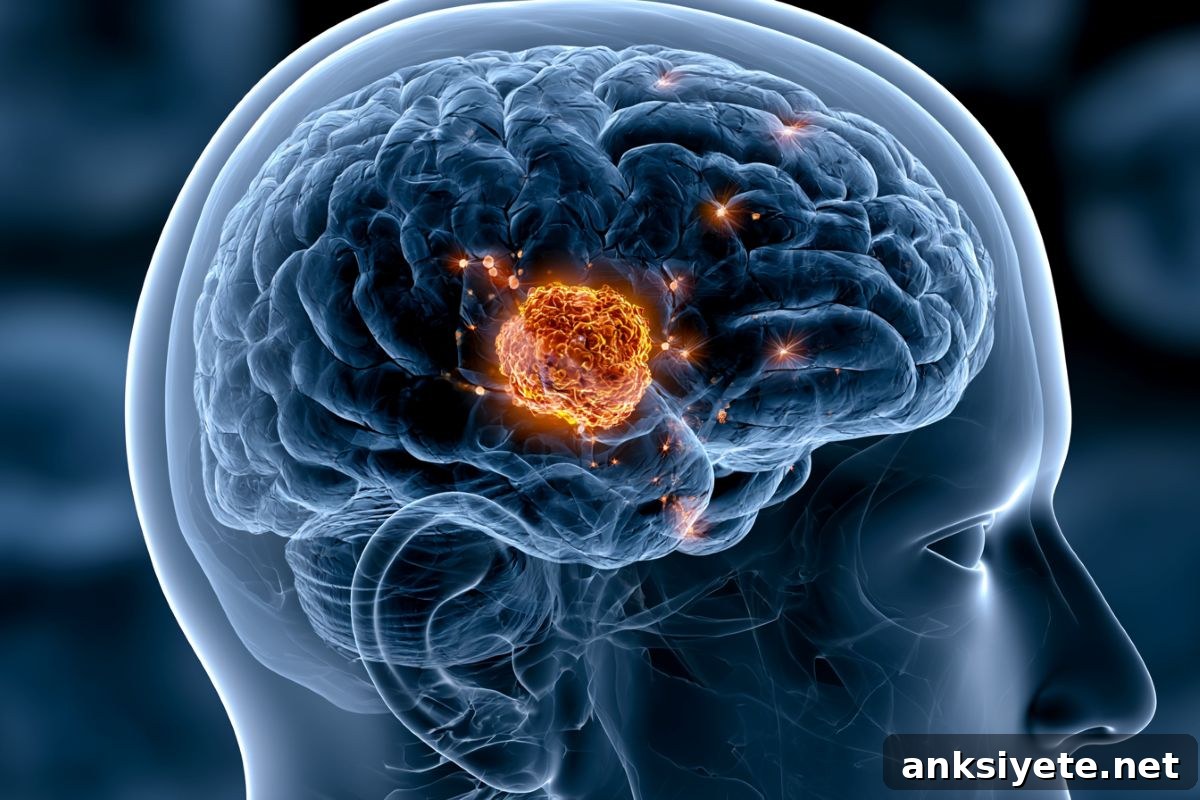
Summary: Chimeric Antigen Receptor T-cell (CAR-T) therapy, which reprograms a patient’s own immune cells to attack cancer, has transformed treatment for blood cancers. Reproducing that success in aggressive brain tumours like glioblastoma has been challenging because the brain tumour microenvironment actively suppresses immune responses. New preclinical research shows that treating glioblastoma as a connected tumour–immune ecosystem, rather than as isolated cancer cells, enables a dual-targeting CAR-T strategy that eliminates both malignant cells and the corrupt immune cells that protect them.
Researchers engineered CAR-T cells to recognise a protein marker called GPNMB, which is expressed on both glioblastoma cells and the tumour-associated macrophages that the tumour reprograms to shield itself. In multiple rigorous preclinical models, including patient-derived tumours implanted in the brain, this dual-action CAR-T approach destroyed detectable disease and produced durable, disease-free survival.
Key Facts
- The macrophage takeover: Glioblastomas are infiltrated by macrophages—immune cells that normally defend tissue. The tumour reprogrammes many of these macrophages into a pro-tumour, immunosuppressive state that protects cancer cells and promotes growth.
- GPNMB as a shared vulnerability: The team discovered that the protein GPNMB is highly expressed on both the malignant glioblastoma cells and the tumour-supporting macrophages, presenting a rare opportunity for simultaneous targeting.
- Dual-action CAR-T design: By engineering CAR-T cells to recognise GPNMB, the therapy directly kills cancer cells and dismantles the macrophage-based immune shield that commonly undermines anti-cancer immunity.
- Complete tumour clearance in models: In orthotopic patient-derived xenografts and syngeneic glioma models, GPNMB-targeting CAR-T cells achieved complete eradication of detectable tumours and long-term control.
- Shifting the treatment paradigm: This strategy reframes solid tumour therapy to treat the malignancy as an ecosystem—targeting both the cancer “seed” and the supportive “soil” of the tumour microenvironment.
Source: King’s College London
Overview: A collaborative study led by researchers at King’s College London and McMaster University demonstrates how CAR-T therapy can be redesigned to address glioblastoma’s complex biology. Glioblastoma remains one of the most lethal brain cancers: only about 5% of patients survive beyond five years, and median survival after diagnosis is typically 12–18 months.
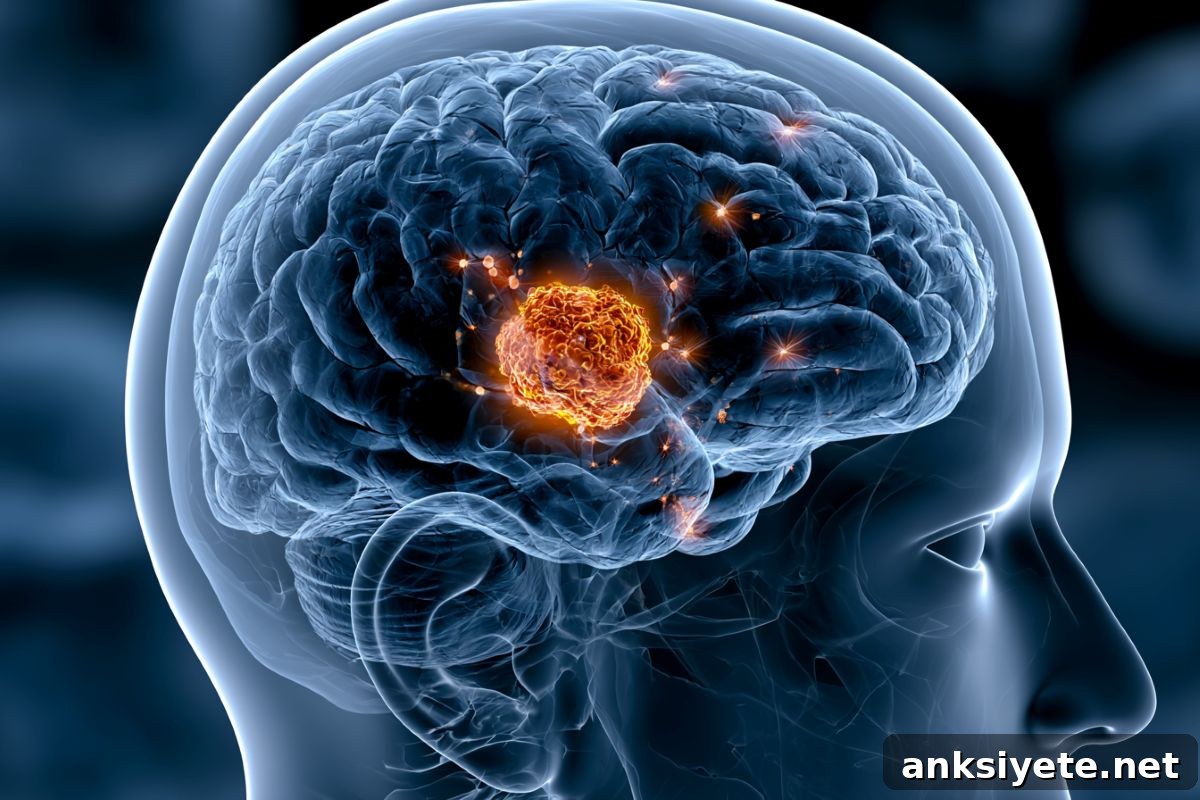
Glioblastoma’s invasive growth, cellular diversity and ability to hide within normal brain tissue make it exceptionally difficult to remove completely by surgery and resistant to conventional chemo- and radiotherapy. The tumour’s extensive population of tumour-associated macrophages further creates an immunosuppressive niche that blocks many immune-based treatments.
Professor Sheila Singh, a neuro-oncology and neurosurgery researcher at King’s College London and McMaster University, explains that a large portion of glioblastoma tissue consists of immune cells that the tumour has co-opted. “These macrophages, which normally defend the brain, are rewired by the tumour to suppress immune attacks and support tumour growth,” she said. Identifying GPNMB on both cancer cells and these reprogrammed macrophages allowed the team to design CAR-T cells that attack both populations concurrently.
Co-lead author Shan Grewal, an MD/PhD candidate, notes that prior CAR-T approaches largely targeted antigens limited to tumour cells, leaving the immunosuppressive microenvironment intact. “Our findings suggest that dismantling the immune support network is critical to achieving sustained responses in glioblastoma,” Grewal said.
The researchers emphasise that while the preclinical results are compelling, additional safety testing is required. The next steps include rigorous validation of the safety profile to ensure healthy brain tissue is spared, and then carefully designed first-in-human clinical trials to translate this preclinical success into patient care.
Professor Singh holds joint appointments at King’s College London and McMaster University and directs collaborative efforts to move innovative brain cancer research toward clinical application. Within King’s, her work is embedded in an Innovation Hub that brings research and clinical trial access directly into patient care.
“Tackling glioblastoma requires global collaboration between scientists and clinicians,” Professor Singh said. “As a neurosurgeon, I see the heavy toll this disease takes on patients and families. Developing therapies that target both the tumour and its immune defenses is a necessary step to improve outcomes.”
Key Questions Answered:
A: Blood cancers circulate in the bloodstream and are readily accessible to engineered T cells. Glioblastoma, by contrast, is embedded within brain tissue and spreads as invasive threads rather than a single visible mass. It also recruits and reprogrammes macrophages into a protective, immunosuppressive barrier that neutralises therapeutic T cells. These features together create physical and biological obstacles that have limited CAR-T effectiveness in the brain.
A: GPNMB is expressed on both malignant glioblastoma cells and the tumour-associated macrophages that help sustain them. Engineering CAR-T cells to recognise GPNMB enables simultaneous depletion of tumour cells and the immunosuppressive myeloid populations, collapsing the protective niche and improving anti-tumour efficacy.
A: While the results in patient-derived models are promising, extensive preclinical safety studies are needed to confirm that GPNMB-targeting CAR-T cells do not harm normal brain tissue. After establishing a robust safety profile, the approach can progress into phase I clinical trials under clinical trial infrastructure and regulatory oversight.
Editorial Notes:
- This article was edited by a Neuroscience News editor.
- The underlying journal paper was reviewed in full.
- Additional context was provided by editorial staff to clarify findings and implications.
About this brain cancer research news
Author: Annie Slinn
Source: King’s College London
Contact: Annie Slinn – King’s College London
Image credit: Neuroscience News
Original research (open access): “Navigating the transcytosis highway: engineering protein coronas for enhanced drug delivery across the blood–brain barrier.” Nature. DOI: 10.1038/s41586-026-10641-1. Authors include Neil Savage, Shan Grewal, Muhammad Vaseem Shaikh, Franz J. Zemp, Dillon Mckenna, Nicholas Mikolajewicz, Hinda Najem, Joanna Pyczek, Jiuran Wei, Mohamed A. B. Taleb, Lucas C. Asselstine, Alisha Anand, Shawn C. Chafe, Kui Zhai, William T. Maich, Chirayu R. Chokshi, Hardikkumar Patel, Tiegan E. Korman, Minomi Subapanditha, Zoya Tabunshchyk, Nazanin Tatari, Petar Miletic, David Chen, Sebastian Pacheco, Abdelsimar T. Omar, Bill Wang, Hong Han, Jennifer A. Chan, Kevin R. Brown, Chitra Venugopal, Thomas Kislinger, Amy B. Heimberger, Jason Moffat, Douglas J. Mahoney & Sheila K. Singh.
Abstract
Glioblastoma is a lethal brain tumour in which current multimodal therapies rarely prevent recurrence. Failure of treatment is driven by extensive intratumoural heterogeneity and a microenvironment dominated by tumour-associated macrophages that sustain growth and suppress immune responses.
While CAR-T cell therapies are being developed for glioblastoma, durable responses have been limited by non-uniform antigen expression, antigen loss and microenvironmental barriers that tumour-targeting approaches do not address. These challenges motivate strategies that treat the disease as a coupled tumour–immune system rather than a single malignant compartment.
Using a multi-omic discovery platform, the study identifies GPNMB as a dual-compartment antigen in glioblastoma. Anti-GPNMB CAR-T cells produced potent anti-tumour effects and long-term disease control in orthotopic patient-derived xenografts and syngeneic glioma models through concurrent depletion of GPNMB-positive tumour cells and immunosuppressive myeloid populations. By combining tumour clearance with microenvironmental reprogramming, these findings offer a new strategy for antigen selection and targeting in heterogeneous, myeloid-rich solid cancers.