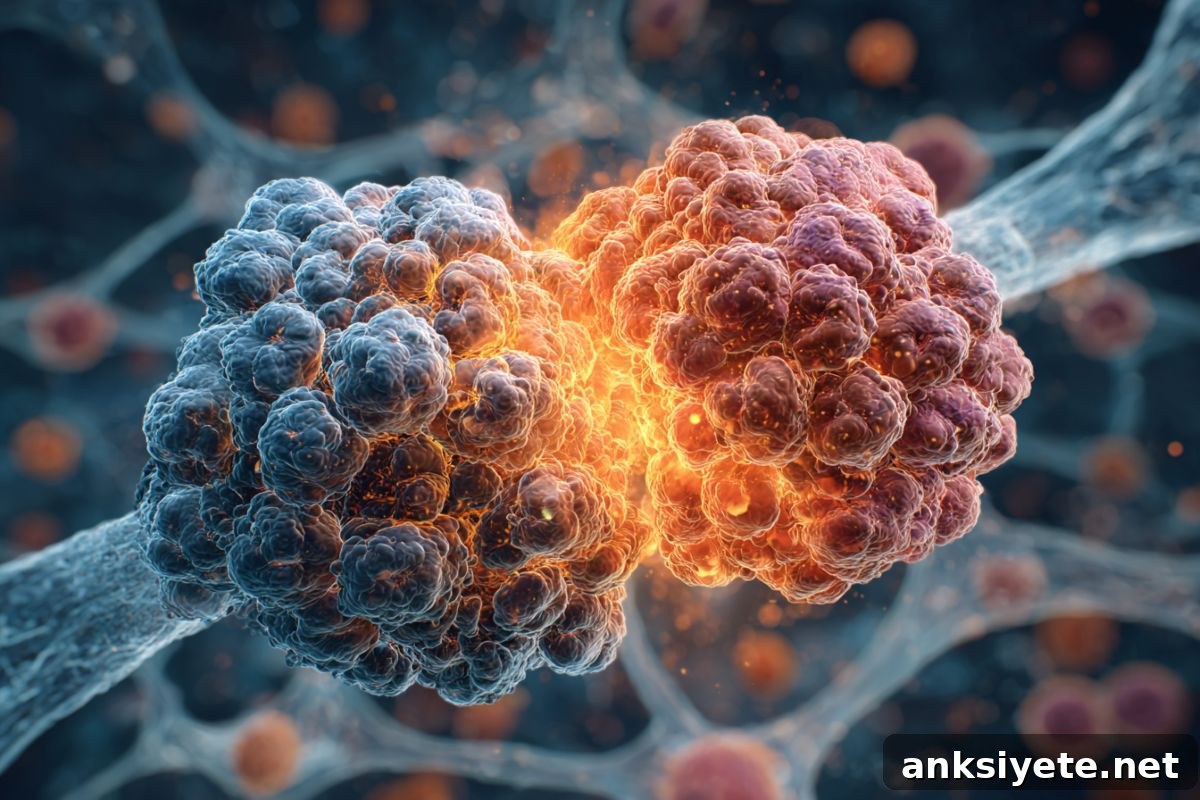
Summary: As newborn neurons migrate through the densely packed tissue of the developing brain, the physical squeeze they undergo produces widespread, severe DNA damage in the form of double-strand breaks (DSBs). Researchers found that when neurons pass through tight spaces while building cortical circuits, both strands of the DNA double helix are sometimes severed. Rather than representing a pathological accident, this pattern of damage is a routine feature of healthy brain development: neurons repair the breaks efficiently, typically within 24 hours, preventing lasting harm.
Using engineered microchannels that mimic the narrow interstitial spaces in developing brain tissue, the team traced the source of these DNA breaks to the enzyme Topoisomerase IIβ. Under mechanical strain, this enzyme—normally responsible for cutting and rejoining DNA to relieve torsional stress—can stall mid-reaction, leaving severed DNA ends. Healthy migrating neurons resolve these lesions through the non-homologous end joining (NHEJ) repair pathway, restricting damage largely to inactive genomic regions and restoring genomic integrity before function is affected.
When repair is impaired, however, consequences emerge. Mice engineered to lack Ligase 4, an essential NHEJ enzyme, in developing cerebellar neurons accumulated persistent DSBs and later developed progressive motor coordination and balance problems. These findings indicate that the mechanical demands of neuronal migration can leave genomic marks on individual neurons and suggest a potential link between developmental mechanical stress and later neurological disease risk.
Key Facts
- Widespread Double-Strand Breaks: Migrating newborn neurons routinely acquire severe DSBs as they squeeze through narrow, crowded spaces during cortical and cerebellar development.
- Topoisomerase IIβ Is Involved: The breaks are associated with Topoisomerase IIβ, which can become trapped while attempting to relieve torsional strain, leaving DNA ends exposed.
- Rapid Repair via NHEJ: In healthy development, neurons repair these DSBs primarily through non-homologous end joining within about 24 hours after migration, avoiding cell death.
- Damage Avoids Active Genes: Sequencing shows DSBs are biased toward transcriptionally inactive, non-essential genomic regions, preserving core neuronal gene function.
- Failure to Repair Causes Deficits: Conditional loss of Ligase 4 in migrating cerebellar neurons leads to persistent DSBs and mild, progressive motor deficits in adulthood, resembling aspects of human genomic instability syndromes.
Source: Kyoto University
Newborn neurons must navigate tight, crowded routes—between other cells and along fibres—to reach their final destinations in the cerebral and cerebellar cortex.
Published in Nature, the study from Kyoto University’s Institute for Integrated Cell-Material Sciences (WPI-iCeMS) and collaborators shows that this constrained migration produces striking amounts of DSBs. These lesions form while neurons pass through narrow interstitial spaces but are usually resolved without nuclear envelope rupture or cell death.
Professor Mineko Kengaku, who led the work, notes that the developing brain appears to tolerate and repair this mechanically induced damage efficiently. Understanding how much damage the system can withstand and what happens when repair is incomplete is important for clarifying connections between development and later neurological disorders.
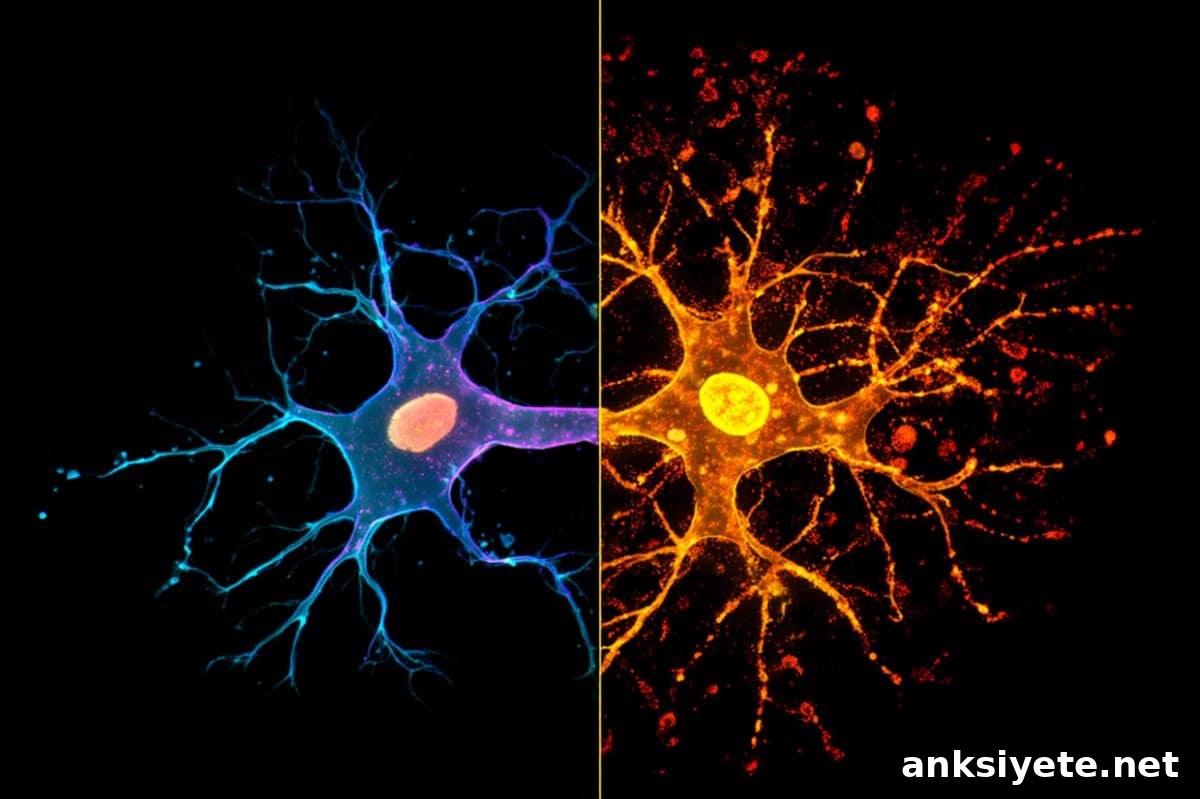
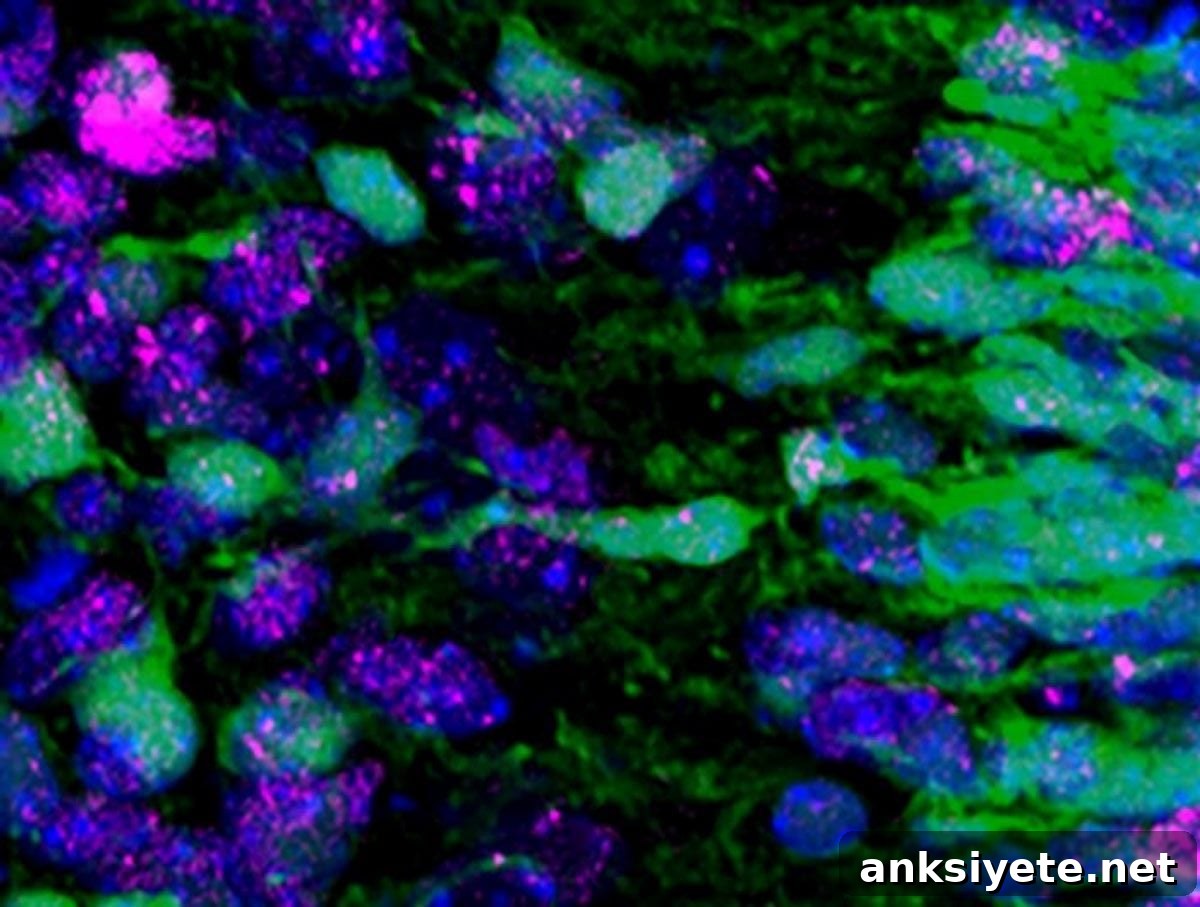
In vitro, neurons driven through microchannels displayed fluorescent markers of DSBs as they squeezed through and then lost those signals within a day after completing migration. Molecular analyses implicated Topoisomerase IIβ: under torsional strain, the enzyme normally makes transient cuts to untwist DNA, but mechanical compression can trap it mid-action and generate DSBs. The NHEJ pathway then re-ligates the broken ends.
The pattern of damage differs from that seen in some invasive cancer cells, where mechanical stress causes random, often lethal damage that disrupts essential genes. In developing neurons, breaks concentrate in inactive regions of the genome, protecting active, life-sustaining genes and preserving overall neuronal function.
To probe the consequences of failed repair, the team removed Ligase 4 in migrating cerebellar neurons of mice. Those mice developed normally at first but later showed gradual balance and coordination impairments, indicating that unresolved DSBs incurred during development can have lasting functional effects.
The research raises important questions about how early, mechanically induced DNA damage contributes to neuronal diversity and the etiology of neurodevelopmental or neurodegenerative conditions. If each neuron’s migration leaves a distinct pattern of breaks and repairs, those molecular “histories” could create subtle genomic heterogeneity across the brain.
Key Questions Answered:
Q: Why don’t these severe DNA breaks kill migrating neurons the way similar damage kills cancer cells?
A: Migrating neurons display a targeted tolerance and repair profile. Unlike some cancer cells that sustain random breaks affecting active, essential genes, neurons incur DSBs mainly in transcriptionally inactive regions. Coupled with efficient repair through NHEJ, this spatial bias protects core neuronal function and prevents cell death.
Q: How does a physical squeeze produce chemical breaks in DNA?
A: Mechanical compression increases torsional strain on the genome. Topoisomerase IIβ normally makes controlled cuts to relax this strain. Under external mechanical stress, the enzyme can become trapped mid-reaction, leaving DNA strands severed and creating DSBs that subsequently require repair.
Q: What does this mean for how brains develop?
A: The findings suggest that identical genomes at the start of development can diverge subtly because of migration-induced DNA damage and repair. These small, sometimes permanent changes may contribute to neuronal individuality and potentially influence susceptibility to later neurological conditions.
Editorial Notes:
- This article was edited by a Neuroscience News editor.
- The journal paper was reviewed in full by the editorial team.
- Additional context was added by staff to clarify implications for development and disease.
About this neuroscience and genetics research news
Author: Nashaat Ghanem
Source: Kyoto University
Contact: Siyun Qin – Nashaat Ghanem
Image: The image is credited to Kyoto University iCeMS
Original Research: Open access. “Confined migration induces non-lethal DNA damage in developing neurons” — DOI: 10.1038/s41586-026-10648-8. Authors include Zhejing Zhang, Andres Canela, Junko Kurisu, Peilin Zou, Takumi Kawaue, Naotaka Nakazawa, Noriko Takeda, Mai Saeki, Masaki Utsunomiya, Merve Bilgic, Fumiyoshi Ishidate, Gianluca Grenci, Takahiro Furuta, Yusuke Kishi, Hiroyuki Sasanuma & Mineko Kengaku. Published in Nature.
Abstract
Confined migration induces non-lethal DNA damage in developing neurons
Migratory cells often deform their nuclei to pass through narrow spaces. In cancer cells, extensive nuclear deformation can rupture the nuclear envelope and cause DNA damage that contributes to malignancy. The physiological role and impact of DNA damage during normal cell migration, however, are less clear.
This study demonstrates that neuronal migration in the developing cerebral and cerebellar cortices is accompanied by abundant DSBs caused by mechanostress as cells traverse tight interstitial spaces. Unlike many other migratory cells, neurons accumulate these DSBs without detectable nuclear envelope rupture.
Confined migration increased Topoisomerase IIβ-linked DSBs, which are repaired through non-homologous end joining during development without triggering cell death. Genome sequencing showed a preference for DSBs in transcriptionally inactive regions.
Deleting Ligase IV at the onset of neuronal migration led to persistent DSB accumulation in cerebellar neurons, modest transcriptional changes in synaptic and developmental genes, and a mutant mouse phenotype with mild motor deficits later in life—indicating that unrepaired, migration-induced DNA damage during normal brain development can pose a disease risk.