
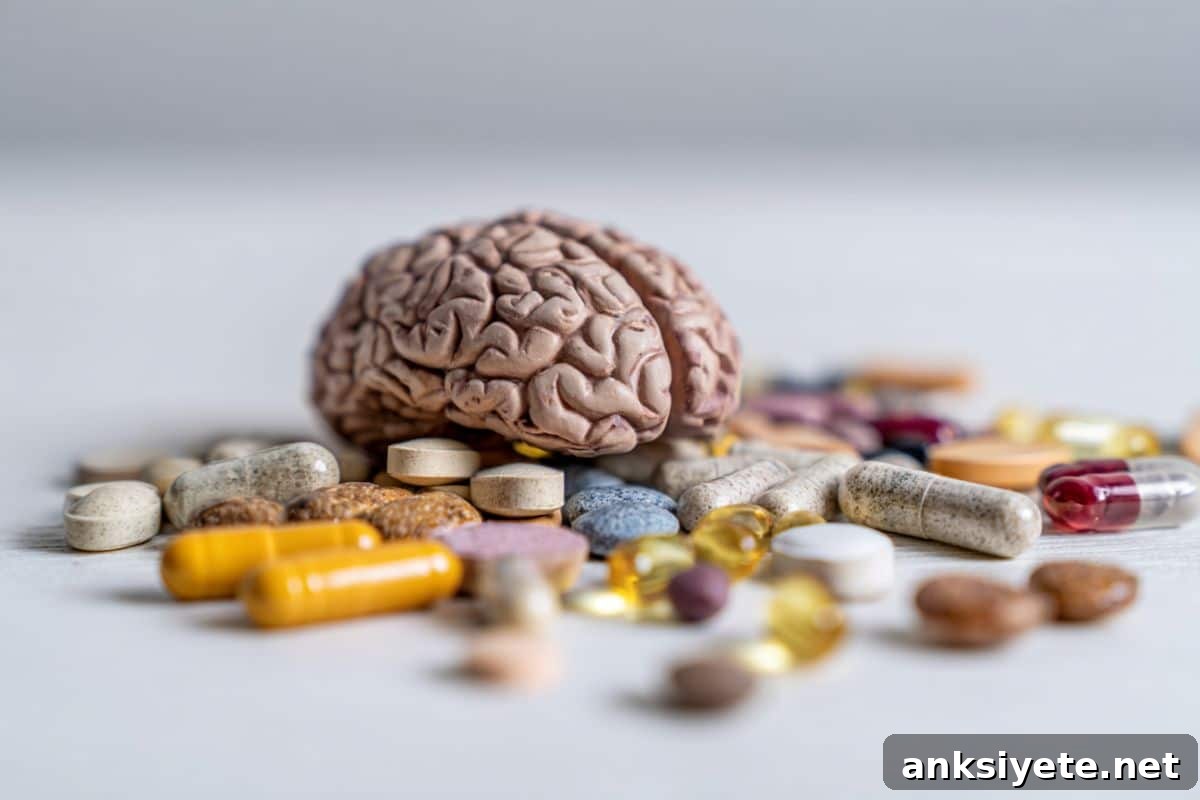
Summary: A new study suggests the future of Alzheimer’s treatment may lie in a combination therapy approach, modeled on oncology strategies. Researchers report that pairing existing anti-amyloid antibodies with small, drug-like molecules inspired by resveratrol (found in grapes and berries) and curcumin (from turmeric) produces a more effective “search-and-destroy” effect against toxic amyloid proteins in the brain.
Crucially, this combined strategy could permit clinicians to use lower doses of powerful antibody drugs, reducing the risk of serious side effects such as brain swelling and bleeding that have been associated with current antibody therapies.
Key Facts
- The Combination Strategy: Anti-amyloid antibodies can slow Alzheimer’s progression but carry significant risks. When researchers combined these antibodies with small molecules derived from micronutrients, the treatments neutralized amyloid aggregation more effectively than either approach alone.
- Safety Advantages: High antibody doses can trigger dangerous brain inflammation and hemorrhage. The small molecules act as a multiplier, enabling effective amyloid control at lower antibody doses and potentially lowering treatment-related risks.
- Nature-Inspired Chemistry: Resveratrol (present in grapes, berries, peanuts) and curcumin (from turmeric) are natural anti-inflammatory compounds. The University of Waterloo team used the biochemical properties of these compounds as blueprints to design molecules that interfere with amyloid accumulation.
- A Multi-Drug Perspective: Lead investigator Dr. Praveen Nekkar Rao explains that Alzheimer’s is biologically complex and likely requires a multi-agent therapy, akin to combination chemotherapy used in cancer care.
- Not a Dietary Recommendation: The researchers emphasize that eating foods or taking over-the-counter supplements will not treat Alzheimer’s. Natural forms of resveratrol and curcumin cannot reach therapeutic concentrations in the brain. The work focuses on creating synthetic, brain-penetrant versions to use alongside clinical antibody drugs.
Source: University of Waterloo
Study Overview
Researchers at the University of Waterloo’s School of Pharmacy investigated whether pairing amyloid-targeting monoclonal antibodies with small molecules inspired by resveratrol and curcumin could more effectively prevent toxic amyloid-beta aggregation. Their laboratory work indicates a strong additive effect when antibodies and small molecules are combined, reducing the formation of amyloid fibrils and lowering cellular toxicity in neuronal models.
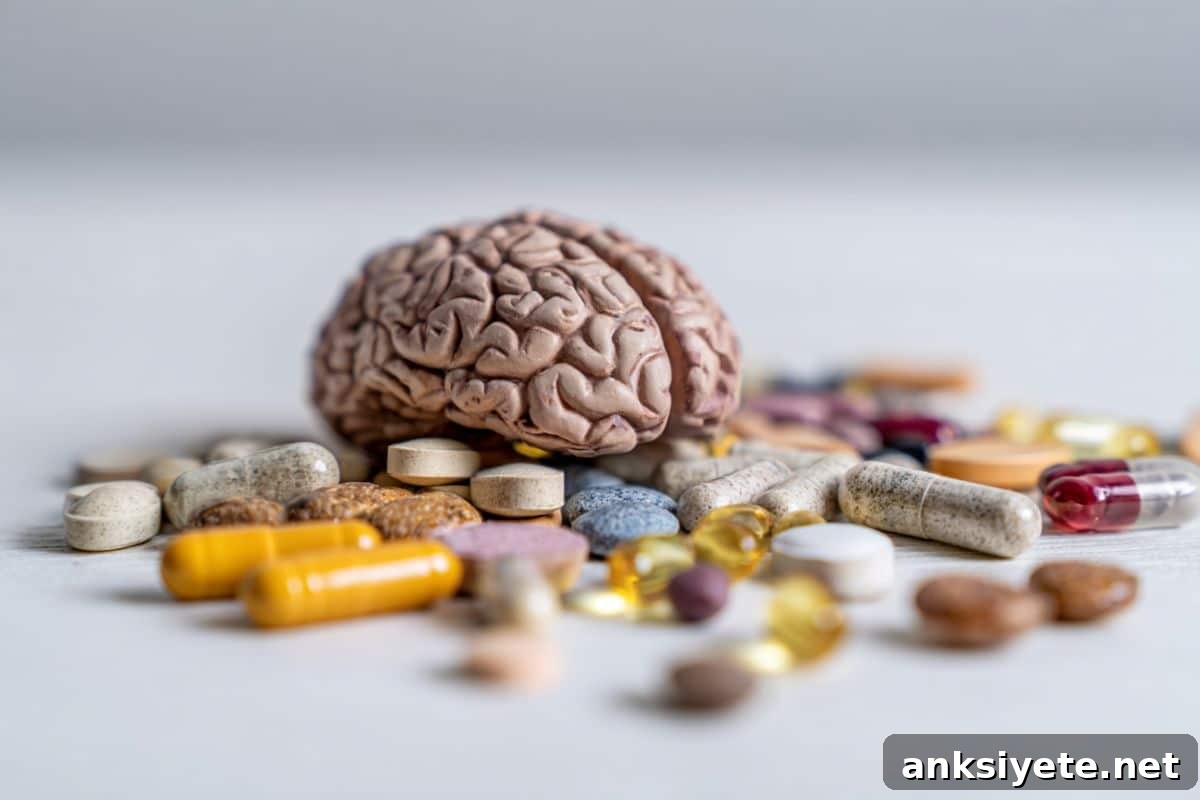
Alzheimer’s disease is the leading cause of dementia. In Canada alone, nearly 750,000 people currently live with dementia, a figure expected to approach one million by 2030. Although existing drugs can ease symptoms and anti-amyloid antibodies can slow disease progression, these antibody treatments can also cause serious complications, including amyloid-related imaging abnormalities (ARIA) such as brain swelling and bleeding.
“We already know that resveratrol and curcumin block amyloid buildup in laboratory settings,” said Dr. Praveen Nekkar Rao, a professor in the School of Pharmacy. “What is new is combining optimized small molecules based on these natural compounds with anti-amyloid antibodies. This approach could let clinicians achieve equivalent or better amyloid control while using lower antibody doses, reducing the chance of harmful side effects.”
The Waterloo team selected resveratrol and curcumin derivatives because these scaffolds have known anti-amyloid and anti-inflammatory properties. Their experiments showed that antibody–small molecule combinations reduced amyloid fibril formation far more than antibodies alone, and these combinations were non-toxic to cultured neuronal cells while protecting them from amyloid-induced damage.
Computational modeling in the study suggested complementary binding modes: antibodies preferentially engage the N-terminal surface of amyloid-beta assemblies, while the small molecules bind internal regions, together providing more complete disruption of aggregation.
The researchers caution that consuming turmeric or resveratrol supplements will not deliver the brain concentrations needed for treatment—bioavailability is the limiting factor. Instead, the next research phase will focus on engineering next-generation molecules with improved brain penetration and compatibility with clinical antibody therapies, followed by the preclinical and clinical studies needed to determine safety and efficacy in patients.
Key Questions Answered:
A: Bioavailability is the limiting issue. Natural curcumin and resveratrol cannot reach therapeutic concentrations in the brain without consuming unsafe doses. Scientists are designing synthetic variants to improve blood–brain barrier penetration and therapeutic activity.
A: Yes, several anti-amyloid monoclonal antibodies have regulatory approvals and are in clinical use under monitored conditions. These drugs can slow disease progression but require careful monitoring because of risks such as ARIA. The combination approach aims to retain the benefits while lowering the risks.
A: The research is advancing into a next-generation drug design phase to create molecules that pair well with antibody therapies and reach the brain efficiently. After optimization, preclinical and clinical trials will be needed before combination therapies could be offered to patients.
Editorial Notes:
- This article was edited by a Neuroscience News editor.
- The full journal paper was reviewed by the editors.
- Additional context was provided by the editorial staff.
About this Alzheimer’s disease research news
Author: Pamela Smyth
Source: University of Waterloo
Contact: Pamela Smyth – University of Waterloo
Image: The image is credited to Neuroscience News
Original Research: Closed access.
“Combination of Resveratrol and Curcumin with Anti-Amyloid Monoclonal Antibodies Aducanumab and Lecanemab Leads to Greater Inhibition of Amyloid-Beta Aggregation” by William Le Boeuf, Ahmed A. Hefny, Rahul C. Karuturi, and Praveen P. N. Rao. ACS Chemical Neuroscience
DOI: 10.1021/acschemneuro.5c00760
Abstract
Combination of Resveratrol and Curcumin with Anti-Amyloid Monoclonal Antibodies Aducanumab and Lecanemab Leads to Greater Inhibition of Amyloid-Beta Aggregation
The study evaluated the anti-amyloid effects of the monoclonal antibodies aducanumab and lecanemab combined with small molecules based on resveratrol and curcumin. Kinetic studies of Aβ42 aggregation showed that antibodies alone inhibited fibrillogenesis by 50–71%, while combinations with resveratrol or curcumin analogues achieved 89–97% inhibition, indicating a strong additive effect.
Electron microscopy confirmed a substantial reduction in fibril burden following combination treatment. In cellular assays, antibody–small molecule combinations were non-toxic to mouse hippocampal HT22 neurons and provided greater protection against Aβ42-induced cytotoxicity than antibody monotherapy.
Computational models suggested complementary binding modes: antibodies engage the N-terminal surface of Aβ42 assemblies, while resveratrol or curcumin derivatives bind internal regions, together disrupting aggregation more effectively.
These findings provide proof-of-concept support for developing combined monoclonal antibody and small-molecule strategies as a potentially safer and more effective approach to treating Alzheimer’s disease.