
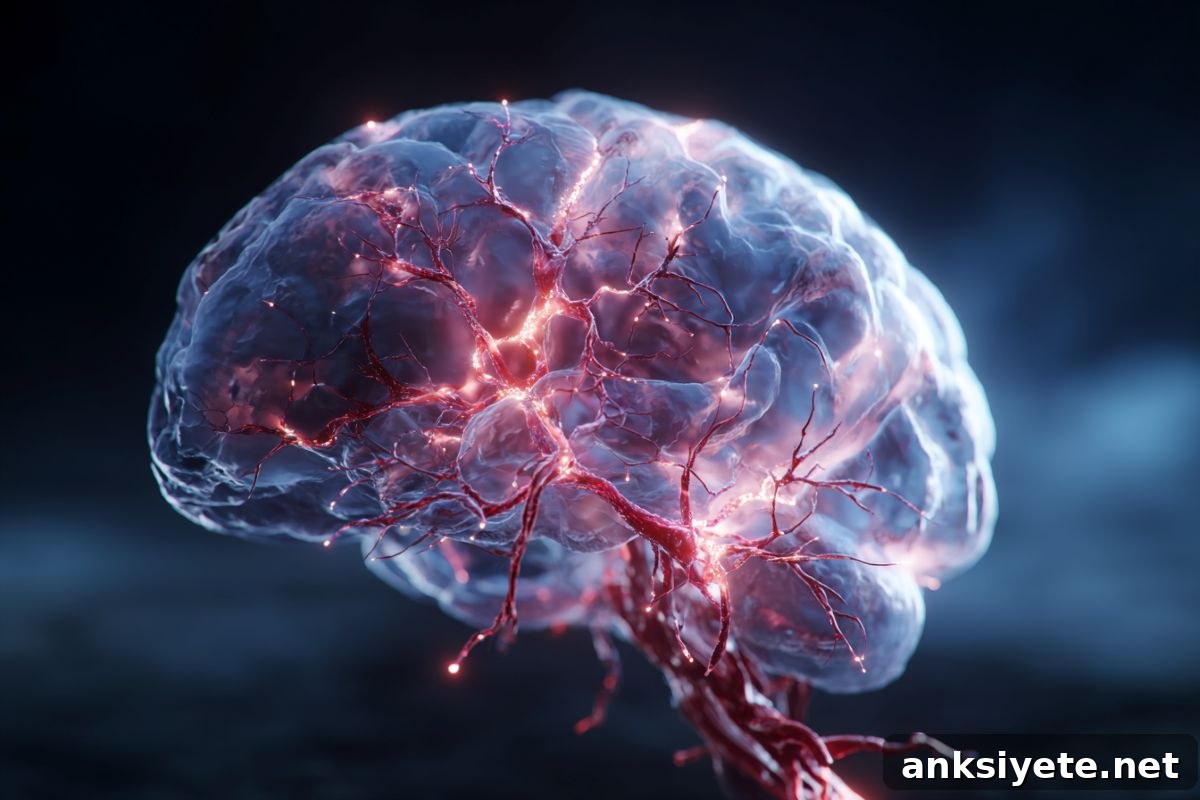
Summary: New research identifies a persistent leak in the blood-brain barrier (BBB) as a likely mechanism connecting repetitive head injuries to long-term cognitive decline in some retired athletes. By combining advanced MRI scans of living former rugby players and boxers with post-mortem tissue analyses from individuals diagnosed with Chronic Traumatic Encephalopathy (CTE), the researchers found that the BBB can remain compromised for years after retirement.
When the BBB is weakened, inflammatory proteins and other harmful molecules can enter brain tissue and set off a damaging cascade that promotes accumulation of phosphorylated Tau (p-Tau), a protein linked to Alzheimer’s disease and other dementias. The findings suggest that brain damage from repeated impacts is not only an acute event but can become a chronic process that continues long after the last concussion or sub-concussive hit.
Key Facts
- Persistent leakage: In some retired collision and combat sports athletes, the blood-brain barrier remains more permeable than expected years after they stop competing.
- Inflammatory cascade: A compromised BBB allows inflammatory proteins to enter the brain, linking barrier disruption to poorer performance on memory and executive-function tests.
- Early detection: Advanced MRI techniques that measure BBB integrity could help identify athletes at higher risk while they are still active, offering a window for earlier intervention.
- Treatment potential: Therapies aimed at restoring or protecting the BBB might slow or halt progressive neurodegeneration caused by chronic exposure to head impacts.
Source: TCD
Researchers from Trinity College Dublin and the FutureNeuro Research Centre in Ireland led the work that maps a clear path from repetitive head trauma to long-term brain changes. The study, published in Science Translational Medicine, links blood-brain barrier disruption with markers of neuroinflammation and cognitive decline in retired athletes with histories of repetitive head impacts (RHIs).
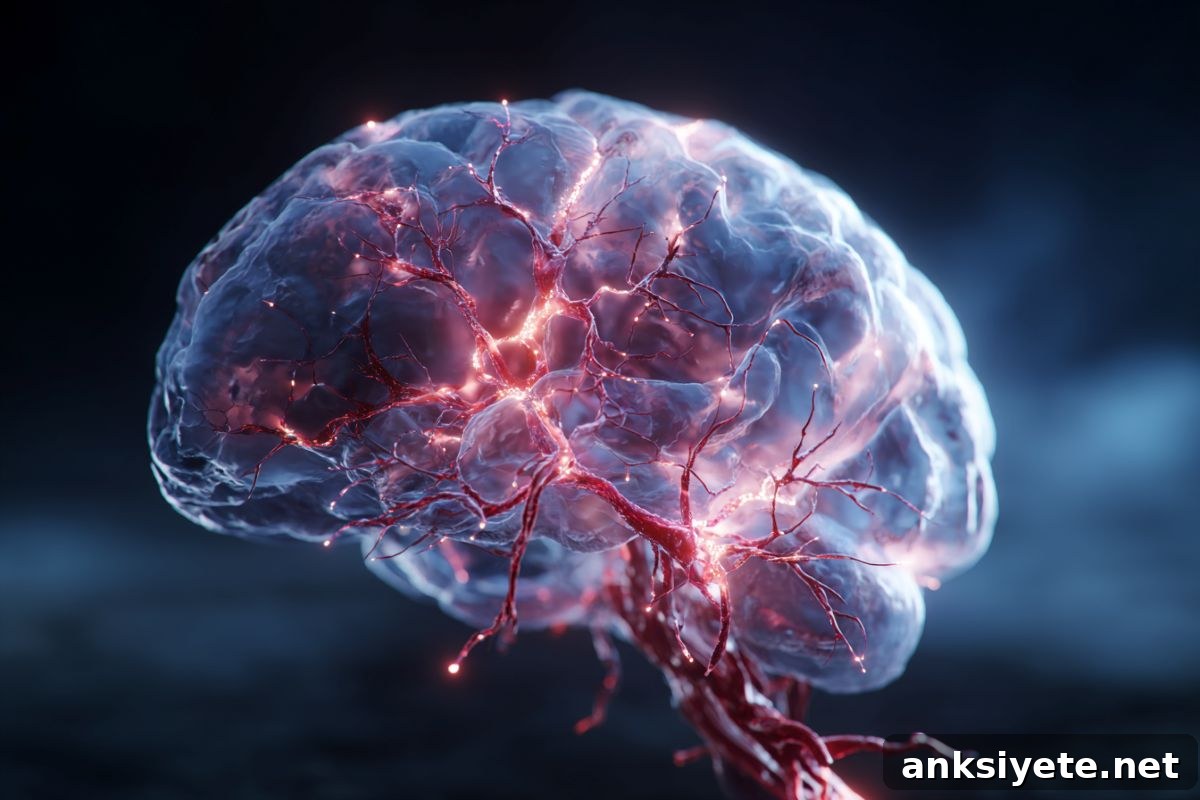
The blood-brain barrier normally functions as a selective boundary that supplies nutrients to neural tissue while excluding toxins and immune cells that could cause harm. When that barrier becomes “leaky,” its protective role is impaired and the brain becomes vulnerable to sustained inflammatory damage. This vulnerability is linked in the study to cognitive deficits observed in some former professional athletes from contact sports such as rugby and boxing.
Using dynamic contrast–enhanced MRI (DCE‑MRI), the team detected BBB disruption in a cohort of retired combat and collision-sport athletes (n = 47). A subgroup with more extensive BBB permeability (n = 17) performed worse on cognitive testing, particularly in memory and executive function, indicating a strong association between barrier loss and cognitive decline.
Blood tests showed that systemic markers commonly used to indicate central nervous system injury were not highly informative in this group. Instead, a higher systemic inflammatory burden — including a larger proportion of circulating monocytes — correlated with cognitive decline. Transcriptomic analysis of these peripheral immune cells revealed changes in complement and vascular development pathways, with altered expression of complement receptors such as C5AR1, ITGAM, ITGB2, and CD59 linked to BBB disruption.
Post-mortem examination of brain tissue from individuals with confirmed CTE showed membrane attack complex (MAC) deposition around cerebral blood vessels. Single-nucleus RNA sequencing and bioinformatic analyses suggested microglia–endothelial interactions that could contribute to complement dysregulation and ongoing vascular injury.
“Even years after retirement, many of the former athletes in our study showed clear BBB disruption compared with age-matched controls,” said Professor Matthew Campbell, who led the research with Professor Colin Doherty. “That pattern suggests the consequences of head impacts can be prolonged and progressive, not simply a one-time injury.”
“We found that retired athletes with the most extensive BBB leakage also scored significantly lower on tests of memory and executive function,” the researchers reported.
Implications and next steps
The study points to several important directions for clinical practice and research:
- Clinical trials could evaluate whether drugs that stabilize or repair the BBB reduce downstream neurodegeneration and cognitive decline in at-risk athletes.
- Longitudinal studies of current players should determine when BBB breakdown begins during a playing career, which could inform return-to-play policies and safety guidelines.
- Research should expand to include a broader range of athletes — including women and amateur players — to establish how widely these findings apply across sports and competition levels.
The authors also called for public-health attention and proactive policy from government agencies to protect young and amateur participants in collision and combat sports, where duty of care often rests with school staff, community coaches, and parents.
Key Questions Answered:
A: The blood-brain barrier can remain disrupted, allowing inflammatory toxins to enter the brain and cause progressive neuron damage long after the last impact.
A: This research brings us closer. MRI techniques that measure BBB permeability can identify leakage patterns that correlate with cognitive deficits, potentially flagging high-risk individuals before severe symptoms emerge.
A: Restoring BBB integrity is a promising research target. Trials of drugs or interventions that seal or protect the barrier could, in theory, reduce or stop the progression of trauma-related neurodegeneration.
Editorial Notes:
- This article was edited by a Neuroscience News editor.
- The journal paper was reviewed in full by editorial staff.
- Additional context was added by the reporting team to clarify clinical and research implications.
About this CTE research news
Author: Thomas Deane
Source: Trinity College Dublin (TCD)
Contact: Thomas Deane – TCD
Image: Image credit to Neuroscience News
Original Research: Closed access. “Blood-brain barrier disruption, traumatic encephalopathy, and cognitive decline in retired athletes” by Chris Greene et al., published in Science Translational Medicine. DOI: 10.1126/scitranslmed.adu6037
Abstract
Blood-brain barrier disruption, traumatic encephalopathy, and cognitive decline in retired athletes
Cerebrovascular disruption is increasingly implicated in the pathophysiology of head trauma and chronic traumatic encephalopathy (CTE). The long-term effects of repetitive head impacts on blood-brain barrier integrity and the relationship of that disruption to cognitive outcomes have been unclear. Using dynamic contrast–enhanced MRI, this study demonstrates that BBB disruption can be detected years after retirement in athletes from combat and collision sports (n = 47). A subgroup with more extensive BBB leakage (n = 17) experienced greater cognitive decline. Systemic inflammatory markers, especially changes in circulating monocyte profiles and dysregulation of complement and vascular development pathways, were associated with poorer outcomes. Post-mortem findings in individuals with confirmed CTE showed membrane attack complex deposition around cerebral vessels, and single-nucleus RNA sequencing pointed to microglia–endothelial interactions that may drive complement dysregulation. Overall, the data indicate that sustained systemic inflammation and persistent BBB disruption are linked to long-term consequences of repetitive head trauma.