
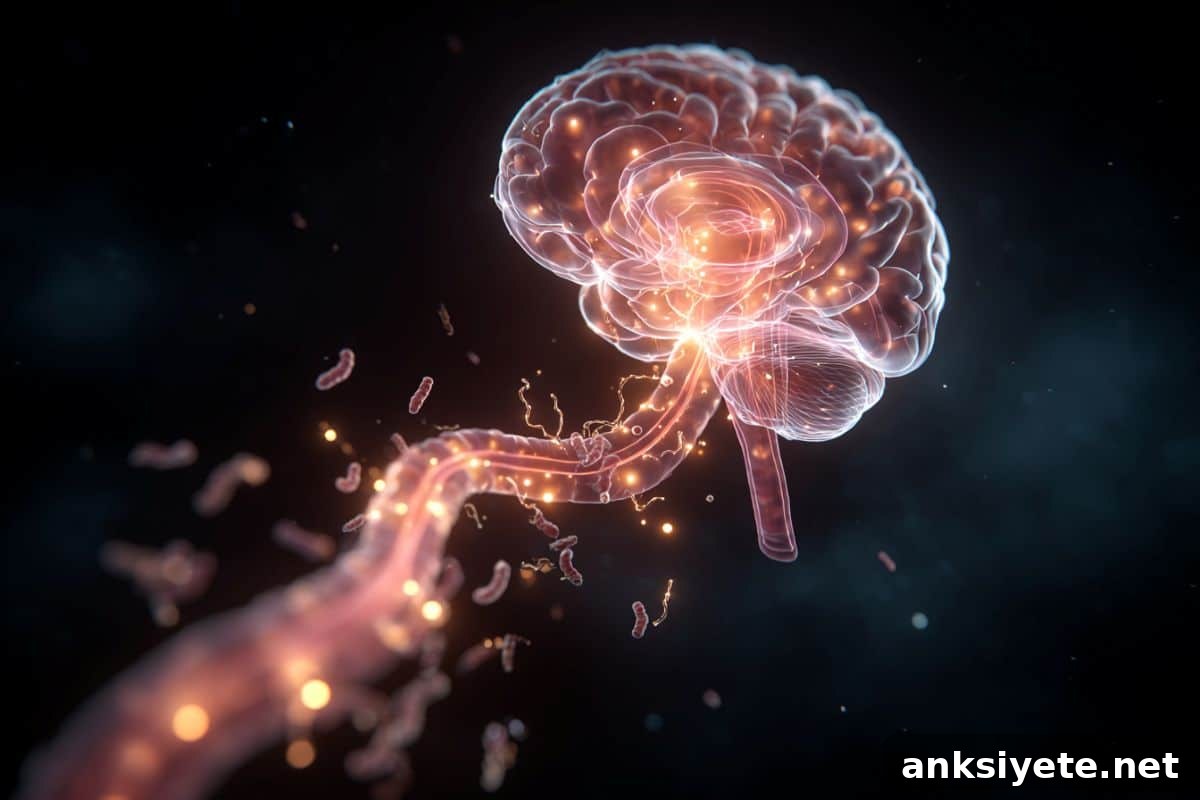
Summary: The gut–brain axis has long been recognized for indirect chemical and immune signaling between the gut and the brain. A new study in mice, however, reveals a more direct and surprising route: a high‑fat diet can cause gut dysbiosis and increased intestinal permeability that allows live bacteria to move from the gut into the brain.
The research indicates these bacteria use the vagus nerve as a direct pathway to the brain. When mice returned to a balanced diet, brain bacterial signals disappeared. The investigators also found small numbers of bacteria in mouse models of Alzheimer’s, Parkinson’s, and autism spectrum disorder even without a high‑fat diet, suggesting that bacterial translocation to the brain could be a previously unrecognized trigger or contributing factor in diverse neurological conditions.
Key Findings
- Dietary trigger: Feeding mice an atherogenic high‑fat diet altered gut microbial composition and increased gut barrier permeability, creating conditions that permit bacterial escape from the intestinal tract.
- Vagus nerve conduit: Bacteria were detected in the vagus nerve but not in systemic blood, and cutting the right cervical vagus nerve reduced bacterial presence in the brain—supporting a direct nerve route rather than hematogenous spread.
- Disease models: Low levels of brain bacteria were also present in mouse models of Alzheimer’s, Parkinson’s, and autism spectrum disorder fed a standard diet, implying that genetic or disease‑related gut barrier dysfunction could permit bacterial entry.
- Reversibility with diet: Returning mice to a normal diet removed the bacteria from the brain, indicating that dietary intervention can restore barrier integrity and allow the brain to clear infiltrating microbes.
Source: PLOS
Overview of the study
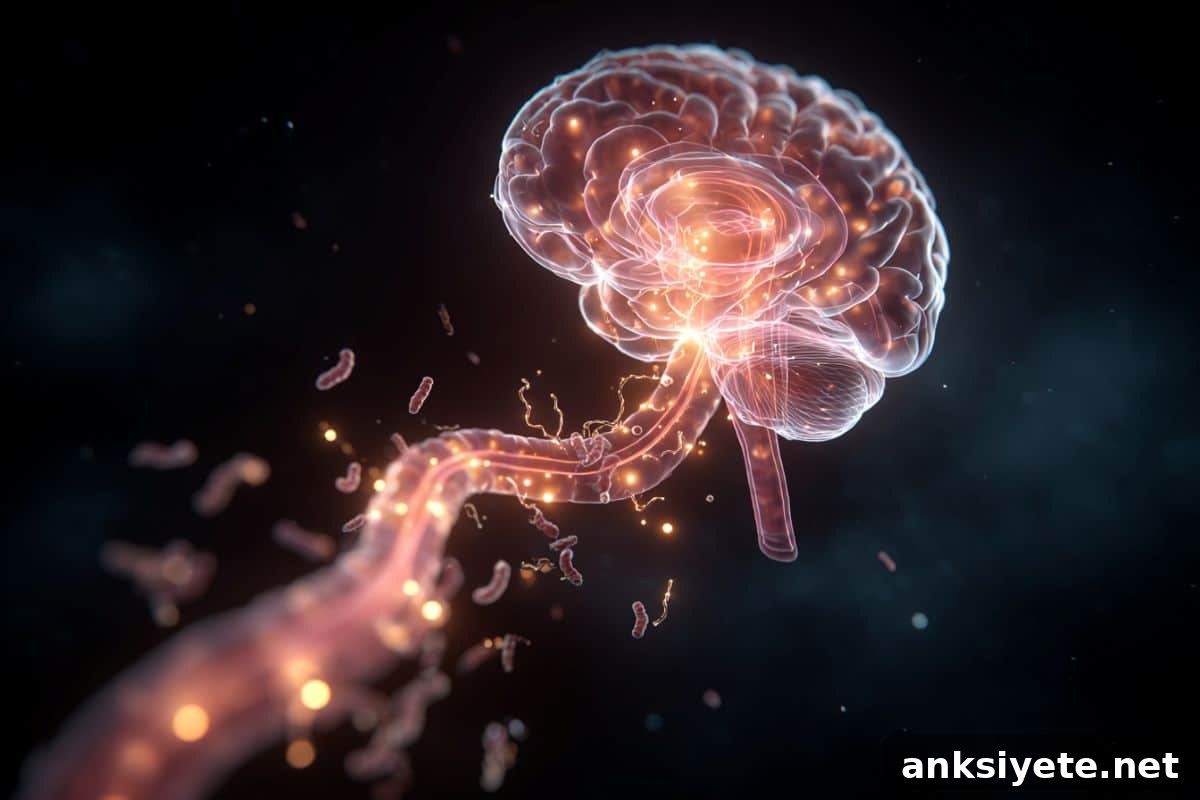
Researchers led by David Weiss and Arash Grakoui at Emory University reported in PLOS Biology that feeding mice an atherogenic, high‑fat “Paigen” diet produced gut dysbiosis and a leaky intestinal barrier. Under these conditions, a small number of viable bacteria were recovered from the brain. The microbes were not found broadly throughout the bloodstream or other systemic organs, but were detected along the vagus nerve, implicating this cranial nerve as a conduit for direct gut‑to‑brain bacterial translocation.
To test the gut origin of these bacteria, the team administered a known gut microbe, Enterobacter cloacae, by gavage to mice on the high‑fat diet and later recovered the same species from both gut and brain. In germ‑free mice monocolonized with E. cloacae, bacteria localized to the brain only when animals consumed the Paigen diet, not when they were fed a standard chow. Antibiotic treatment altered gut community composition and correspondingly changed the bacterial species detected in the brain under high‑fat diet conditions.
Importantly, the presence of bacteria in the brain was reversible: when animals were switched back to a normal diet, the microbes disappeared from neural tissue. The authors emphasize that these results reveal an environmental (dietary) and genetic interaction that enables a previously unappreciated bacterial translocation axis from gut to brain.
Frequently asked questions
A: In healthy individuals, the intestinal barrier and the blood‑brain barrier normally prevent microbes from entering brain tissue. This mouse study shows that a compromised gut lining paired with certain diets can create conditions that permit a few bacteria to reach the brain by traveling along the vagus nerve. Whether this occurs in humans remains to be determined.
A: The study suggests that diet‑induced gut barrier disruption can allow bacteria to reach the brain, which may promote chronic inflammation—a known contributor to neurodegeneration. This is one potential trigger among many; it does not by itself prove causation between diet and complex diseases like Alzheimer’s in humans.
A: In the mouse experiments, returning animals to a standard diet removed detectable bacteria from the brain, suggesting repair of the gut barrier and brain clearance mechanisms. Translation of this finding to human health will require additional study.
Notes on the report
- This article was edited by an editor at Neuroscience News.
- The journal paper was reviewed in full and additional context was provided by editorial staff.
About this research
Author: Claire Turner
Source: PLOS
Contact: Claire Turner – PLOS
Image credit: Neuroscience News
Original research: Open access. Title: “Translocation of bacteria from the gut to the brain in mice” by Manoj Thapa et al., published in PLOS Biology. DOI: 10.1371/journal/pbio.3003652
Abstract (summary)
Emerging evidence links gut dysbiosis with neurological diseases, but the mechanisms by which gut bacteria affect the brain remain unclear. This study demonstrates that in mice, an atherogenic high‑fat diet (Paigen diet) alters gut microbial composition and increases intestinal permeability, permitting a small number of bacteria to translocate to the brain. Bacteria were detected in the vagus nerve but not in circulating blood, and a right cervical vagotomy reduced brain bacterial burden, implicating the vagus nerve as a direct route. Antibiotics changed gut composition and the suite of bacteria found in the brain. Experimental gavage of Enterobacter cloacae confirmed gut origin, and monocolonized germ‑free mice only exhibited brain colonization when fed the high‑fat diet. Brain localization of bacteria was reversible following dietary recovery to a standard diet. Additionally, bacteria were found in the brains of mouse models of Alzheimer’s, Parkinson’s, and autism spectrum disorders fed standard diet. These results reveal a diet‑ and genetics‑sensitive axis for bacterial translocation from gut to brain and justify further research to determine whether a similar phenomenon occurs in humans and whether it contributes to neurological disease.