
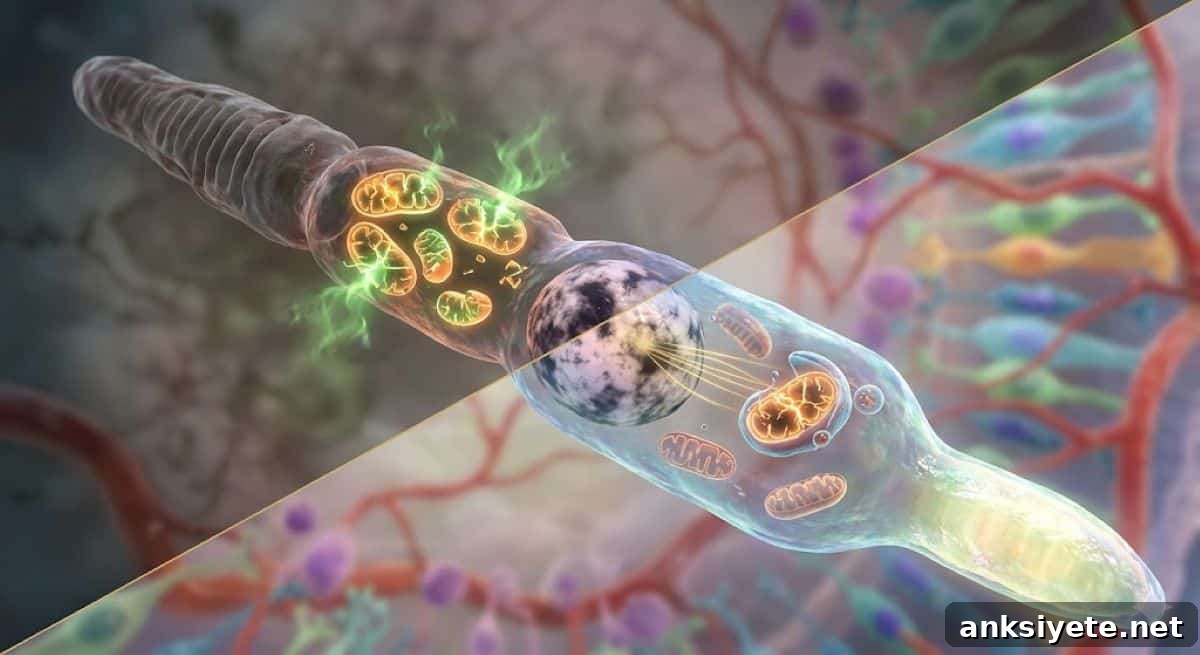
Summary: For decades, photoreceptor death—the loss of the retina’s light-sensing cells—was assumed to be irreversible in conditions such as age-related macular degeneration, retinitis pigmentosa, and retinal detachment. New research from the University of Michigan challenges that view. The study shows that apoptosis in photoreceptors can be reversed if cellular stress is removed and damaged mitochondria are cleared through mitophagy, preserving cell function and offering a potential strategy to protect vision.
By eliminating the stressor (for example, restoring oxygen or reattaching the retina) and activating mitophagy—the process that removes dysfunctional mitochondria—researchers were able to rescue photoreceptors that had already entered the apoptotic cascade. These findings indicate that enhancing intrinsic survival pathways could preserve vision even when the underlying disease process cannot be immediately cured.
Key Facts
- Apoptosis can be reversible: Photoreceptor cells initiated into programmed cell death were able to recover when the triggering stressor was removed in time.
- Mitophagy is essential: Removing dysfunctional mitochondria prevents toxic leakage and supports cellular recovery.
- Mitochondrial health drives recovery: Restored mitochondrial function and ATP production correlated with cell survival.
- Clinical relevance: The findings point toward new therapeutic routes for retinal diseases that cause progressive vision loss, including AMD, retinitis pigmentosa, and retinal detachment.
- Animal validation: Mouse models showed that photoreceptors damaged by retinal detachment could recover after the retina was reattached.
Source: University of Michigan
What photoreceptors do
Photoreceptors are specialized retinal neurons that convert light into electrical signals the brain interprets as vision. Their degeneration is the primary driver of many forms of irreversible sight loss.
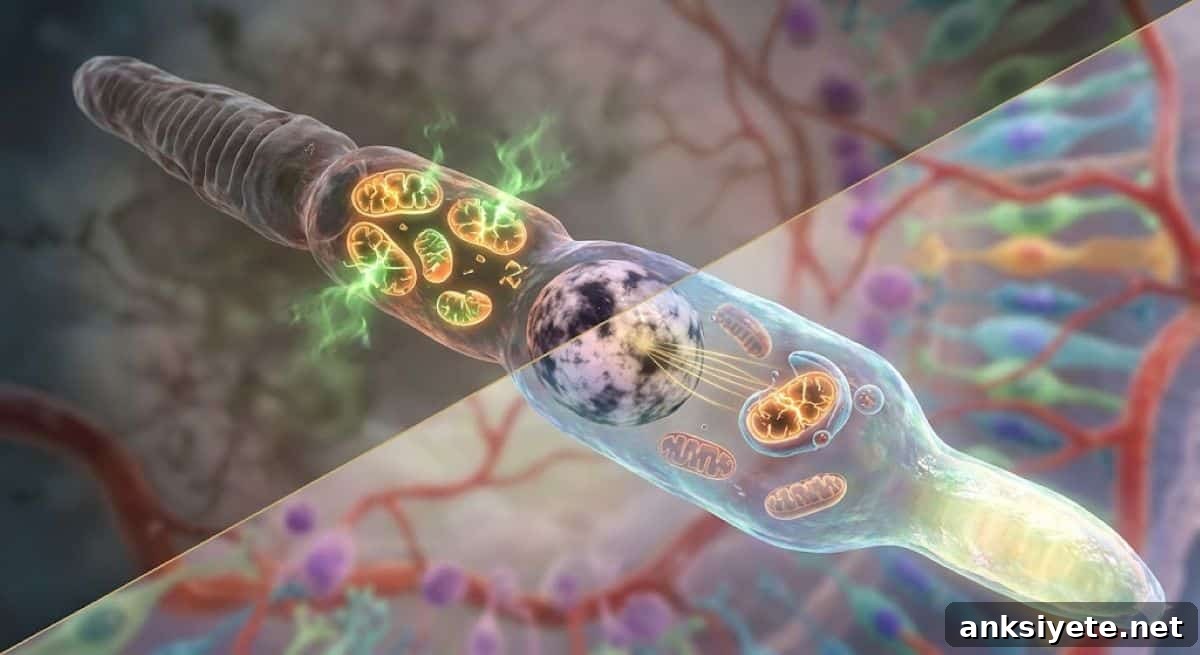
While multiple molecular routes can lead to cell death, cells also harbor protective mechanisms that help them survive. The University of Michigan team published their findings in Cell Death & Disease, showing that functional mitochondria are central to photoreceptor recovery after apoptotic stress.
Traditionally, apoptosis was viewed as a one-way path to cell loss. Recent work in non-retinal cell types suggested that cells could recover after initiating apoptosis if the initial damaging signal was removed. The current study extends that observation to photoreceptors.
Using a murine cone photoreceptor cell line (661W) and mouse models, the researchers induced apoptosis with chemical agents and low-oxygen conditions that mimic retinal stress. The cells displayed hallmark apoptotic signs—cell rounding, membrane blebbing, caspase-3 activation, PARP cleavage, and phosphatidylserine exposure—but they recovered when the stress was alleviated.
“It’s like having a corroding battery in the cell that is leaking toxins. Mitophagy gets rid of those bad batteries.”
— David Zacks, M.D., Ph.D.
Recovery coincided with restored mitochondrial function: intracellular ATP levels rose and mitochondrial reactive oxygen species decreased. The team also documented increased expression of mitophagy markers during recovery, and they showed that pharmacologically promoting mitophagy reduced apoptosis while inhibiting mitophagy increased cell death. In vivo experiments using a model of transient retinal detachment demonstrated that photoreceptors could reverse apoptotic features after the retina was reattached.
These results suggest a therapeutic window exists during which photoreceptors still retain the capacity to recover. Intervening to remove stressors and boost mitophagy could maintain cellular function and slow or halt vision loss even when the root cause of the disease remains.
Study contributors
- Bhavneet Kaur
- Bruna Miglioranza Scavuzzi
- Jingyu Yao
- Mengling Yang
- Lin Jia
- Stephen I. Lentz
- Jaya Sadda
- Andrew J. Kocab
- Sumathi Shanmugam
- David N. Zacks
Funding and disclosures
Zacks received support from the National Institutes of Health (R01EY020823) and is a 2025 Alcon Research Institute Senior Investigator Grant recipient. Scavuzzi was supported by Training Grant T32AR07080 from the National Institute of Arthritis and Musculoskeletal and Skin Diseases. Zacks is employed by the University of Michigan and ONL Therapeutics and holds University of Michigan patents licensed to ONL Therapeutics. Kocab is an ONL Therapeutics employee.
Frequently asked questions
A: That view is being revised. The study identifies a later-than-expected “point of no return.” If damaged mitochondria are cleared and the original stressor is removed before complete cellular collapse, photoreceptors can recover and resume normal function.
Q: What is mitophagy?
A: Mitophagy is the cell’s quality-control process for mitochondria. When mitochondria become dysfunctional—like a leaky battery—they produce toxic byproducts. Mitophagy removes these damaged mitochondria so healthy ones can maintain the cell’s energy supply and viability.
Q: Can this research cure blindness?
A: The approach is unlikely to cure genetic or age-related retinal diseases on its own, but it could preserve existing vision by stopping further photoreceptor loss. Activating survival mechanisms may extend the functional lifespan of remaining cells.
Editorial notes
- This article was edited by a Neuroscience News editor.
- The full journal paper was reviewed.
- Additional context was added by editorial staff.
About this visual neuroscience research news
Author: Ananya Sen
Source: University of Michigan
Contact: Ananya Sen, University of Michigan
Image credit: Neuroscience News
Original research (open access): “Recovery from apoptosis in photoreceptor cells: A role for mitophagy” by Bhavneet Kaur, Bruna Miglioranza Scavuzzi, Jingyu Yao, Mengling Yang, Lin Jia, Stephen I. Lentz, Jaya Sadda, Andrew J. Kocab, Sumathi Shanmugam, and David N. Zacks. Published in Cell Death and Disease.
Abstract
Recovery from apoptosis in photoreceptor cells: A role for mitophagy
Photoreceptors are specialized light-sensitive cells vital for vision, and their loss drives retinal degeneration. Prior studies in non-retinal cell lines showed the possibility of recovery from late apoptotic stages. This study demonstrates for the first time that photoreceptor cells can reverse key apoptotic features after exposure to cell-death stimuli. Using staurosporine or hypoxia, the 661W murine cone photoreceptor cell line developed morphological and biochemical signs of apoptosis, including caspase-3 activation, PARP cleavage, and phosphatidylserine externalization. When the stress was removed, these processes were reversed.
Mitochondrial function was central to recovery, shown by restored ATP levels and reduced mitochondrial reactive oxygen species. Markers of mitophagy increased during recovery, and manipulating mitophagy altered cell survival: induction reduced apoptosis while inhibition worsened it. In vivo experiments using transient retinal detachment demonstrated photoreceptor recovery after reattachment. Overall, photoreceptor cells can recover from entry into apoptosis, and mitophagy plays a key protective role in that recovery.