
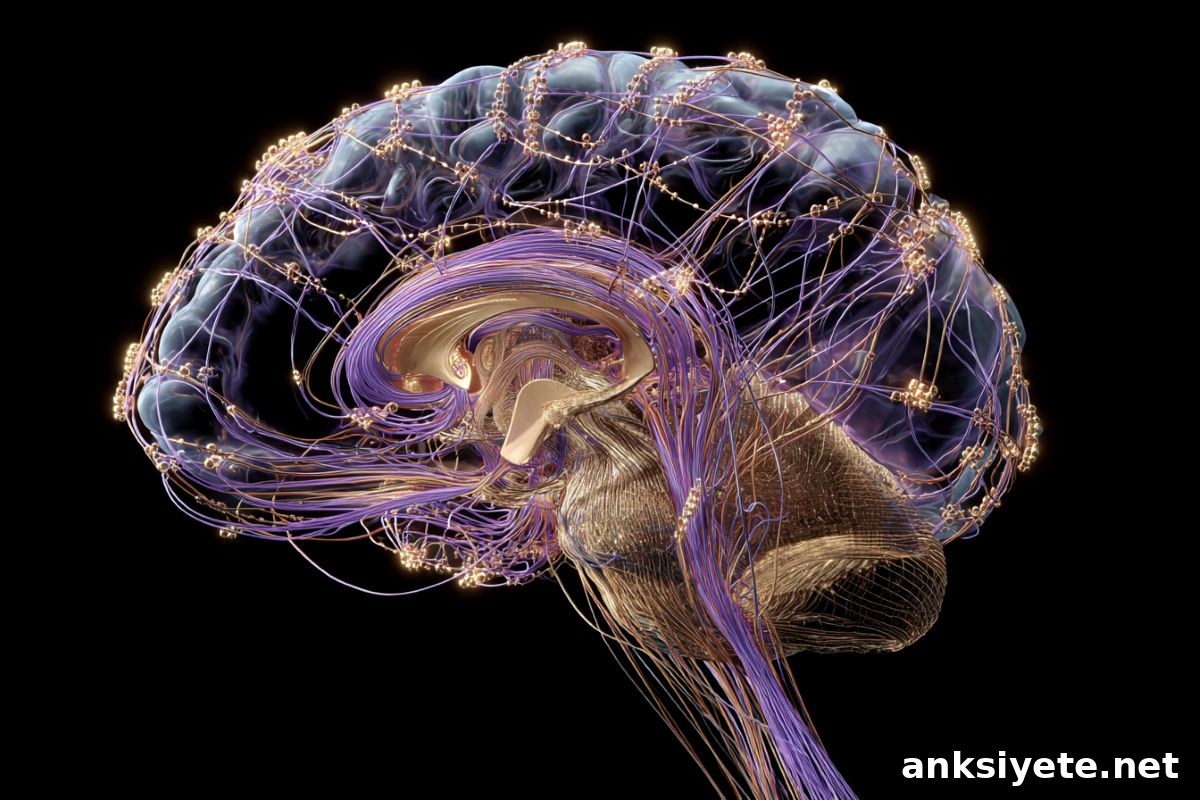
Summary: For decades, scientists placed the human language network largely in the neocortex, the brain’s outer layer responsible for higher cognition. New research reveals a complementary “satellite” component inside the cerebellum — a region historically linked to motor control — that also contributes to language processing.
Analyzing functional MRI scans from more than 800 participants, the research team identified four cerebellar areas that activate during language tasks. Three of these regions respond to both linguistic and certain non-linguistic tasks, suggesting integrative functions, while one area in the right posterior cerebellum appears to be selectively engaged by language. That region behaves like a functional echo of the neocortical language system.
This finding expands our picture of the brain’s language network and points to new possibilities for understanding language learning and treating disorders such as aphasia.
Key Facts
- Dedicated cerebellar site: A region in the right posterior cerebellum acts as a focused “satellite” that mirrors activity in the core neocortical language network.
- Beyond motor control: Although the cerebellum is well known for coordinating movement, these results show it also plays specialized roles in spoken and written language processing.
- Integrative roles: Most identified cerebellar language regions also respond to non-language tasks, implying the cerebellum helps integrate different streams of information for complex cognition.
- Therapeutic potential: The language-specific cerebellar area may be a promising target for non-invasive brain stimulation aimed at improving language recovery after stroke or brain injury.
Source: MIT
The ability to use language is a defining human capacity. At MIT’s McGovern Institute for Brain Research, Evelina Fedorenko and colleagues have mapped a network of brain regions that coordinate when we speak, listen, read, write, or sign.
Most of this language network sits in the neocortex, where complex cognition occurs. Fedorenko’s lab, part of MIT’s Department of Brain and Cognitive Sciences, has now extended that network into the cerebellum, identifying specific cerebellar components engaged during language tasks.
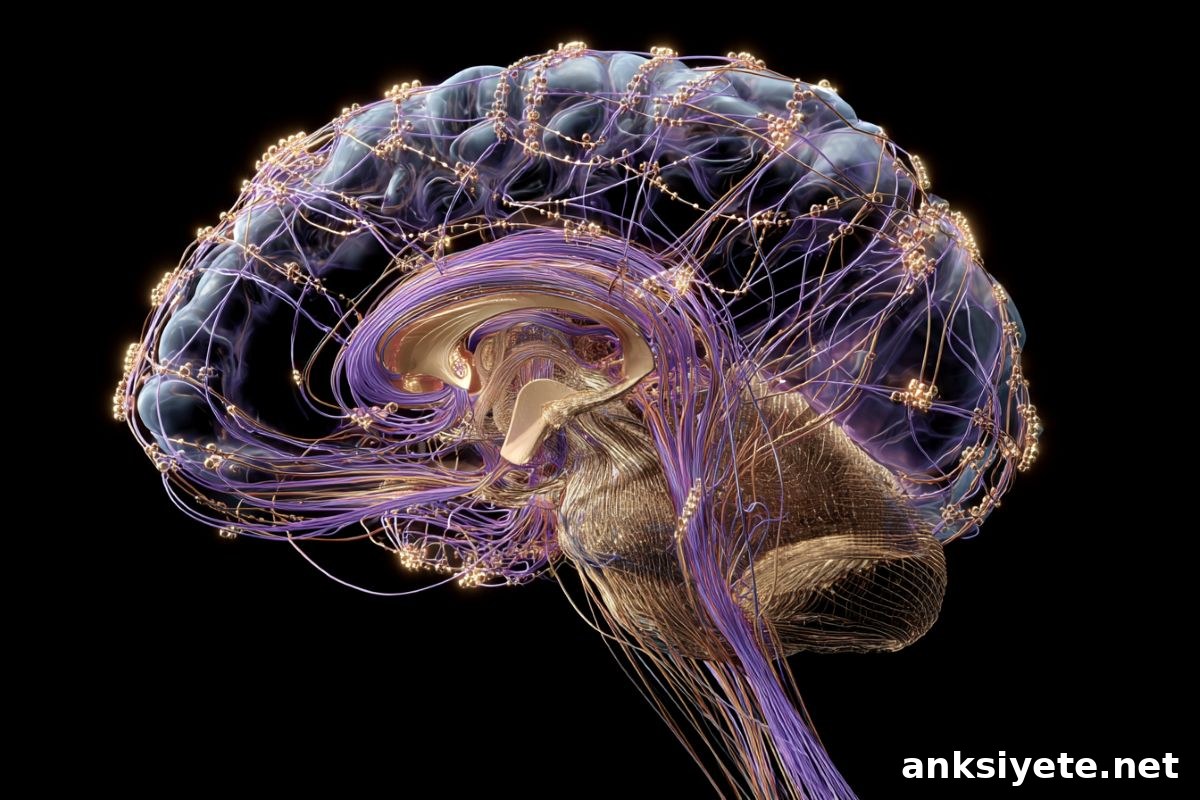
The results were published Jan. 21 in the journal Neuron.
“It’s like there’s this region in the cerebellum that we’ve been forgetting about for a long time,” says Colton Casto, a graduate student at Harvard and MIT working in Fedorenko’s lab. “Language researchers should pay attention to the cerebellum.”
Imaging the language network
Previous studies hinted at cerebellar involvement in language: functional imaging occasionally showed cerebellar activity during language tasks, and damage to the cerebellum can sometimes impair language. But researchers had not clearly mapped which cerebellar subregions were involved or how they contributed to language processing.
To address this, Fedorenko’s team applied the precise mapping methods they use for the neocortical language network. Over 15 years, the lab collected fMRI data while volunteers performed a range of tasks inside MRI scanners. Those tasks included reading sentences and listening to speech, alongside non-linguistic tasks such as listening to noise or remembering spatial patterns. Comparing responses across tasks allowed the team to isolate brain areas dedicated to language.
Their prior work established that everyone’s language network draws on the same neocortical regions, though exact anatomy varies between individuals. That variability makes individualized mapping necessary when studying language organization in a single person.
Satellite language network in the cerebellum
Because their scans included the cerebellum, the team could search for cerebellar language-responsive areas. Casto reanalyzed data from more than 800 participants and identified four cerebellar regions that reliably engaged during language tasks.
Three of those regions showed mixed selectivity: they responded during language tasks but also during certain non-linguistic activities. This contrasted with the neocortex, where core language areas are typically exclusive to language processing. The mixed responses suggest the cerebellum may integrate information from cortical regions to support broader cognitive functions.
Importantly, one cerebellar region in the right posterior lobules (Crus I/II and VIIb) behaved like a language-selective node. It activated during both comprehension and production tasks and remained quiet during the non-linguistic tasks the team tested. Across language tasks, its activity patterns closely matched those of neocortical language areas, leading the authors to describe it as a “cerebellar satellite” of the language network.
Although cerebellar neurons are anatomically different from neocortical neurons, the functional similarity suggests the cerebellum contributes meaningfully to language processing. The lab plans further experiments to clarify the satellite region’s specific role and whether it supports language learning — either during development or when adults acquire new languages.
The discovery also has clinical implications. Fedorenko notes that this cerebellar site might serve as a useful target for non-invasive stimulation therapies aimed at restoring language after stroke-induced aphasia, by boosting residual or compensatory language function.
Key Questions Answered:
A: Traditional views emphasized motor control, but current evidence shows the cerebellum also supports cognitive processes. This study demonstrates cerebellar stations that connect to high-level systems, including language.
A: Not two independent centers, but a primary network in the neocortex with at least one specialized cerebellar satellite that works in close coordination with it.
A: Potentially. Because the cerebellar satellite is language-selective, researchers are exploring non-invasive stimulation of this region to support recovery in aphasia patients.
Editorial Notes:
- This article was edited by a Neuroscience News editor.
- The journal paper was reviewed in full by the editors.
- Additional context was added by the editorial staff.
About this language and neuroscience research news
Author: Jennifer Michalowski
Source: MIT
Contact: Jennifer Michalowski – MIT
Image: Image credited to Neuroscience News
Original Research: Open access. “The cerebellar components of the human language network” by Colton Casto, Moshe Poliak, Greta Tuckute, Hannah Small, Patrick Sherlock, Agata Wolna, Benjamin Lipkin, Anila M. D’Mello, and Evelina Fedorenko. DOI: 10.1016/j.neuron.2025.12.030
Abstract
The cerebellar components of the human language network
Although evidence has long suggested cerebellar contributions to cognition — including language — the cerebellum’s precise role has remained unclear. Using precision fMRI, the authors systematically characterized cerebellar language-responsive regions and identified four areas that respond to language across modalities (experiments 1a and 1b, n = 754).
One region spanning Crus I/II and lobule VIIb was selective for language when compared with a range of non-linguistic tasks (experiments 2a–2f, n = 732); the other three regions showed mixed selectivity. The language-selective region, like the neocortical language system, was engaged during both comprehension and production (experiments 3a and 3b, n = 100), showed sensitivity to linguistic difficulty (experiment 3c, n = 5), and responded to both social and nonsocial sentences (experiment 3d, n = 10).
Functional connectivity analyses (experiment 4, n = 85) showed that all four cerebellar regions — and especially the Crus I/II/VIIb site — are connected to the neocortical language system. The authors propose these cerebellar areas are components of an extended language network: one region mirrors the neocortical language network closely, while the others likely integrate information from diverse cortical regions.