
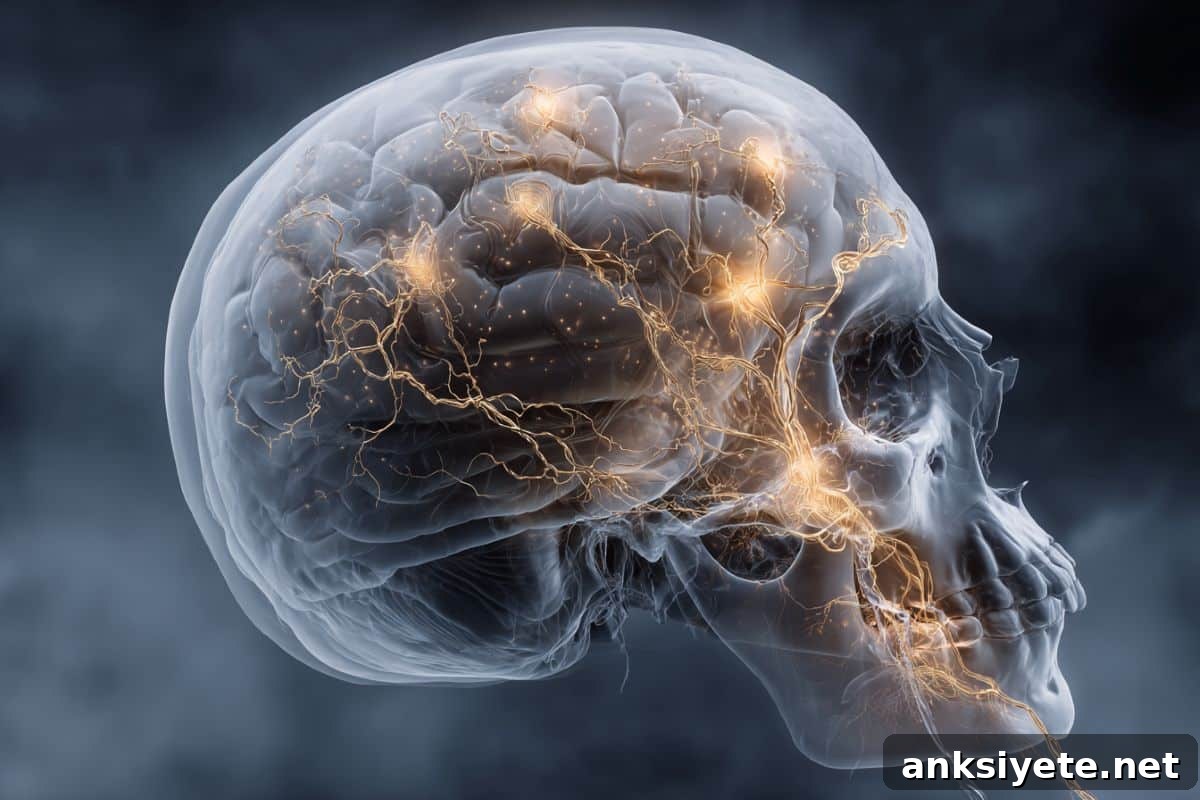
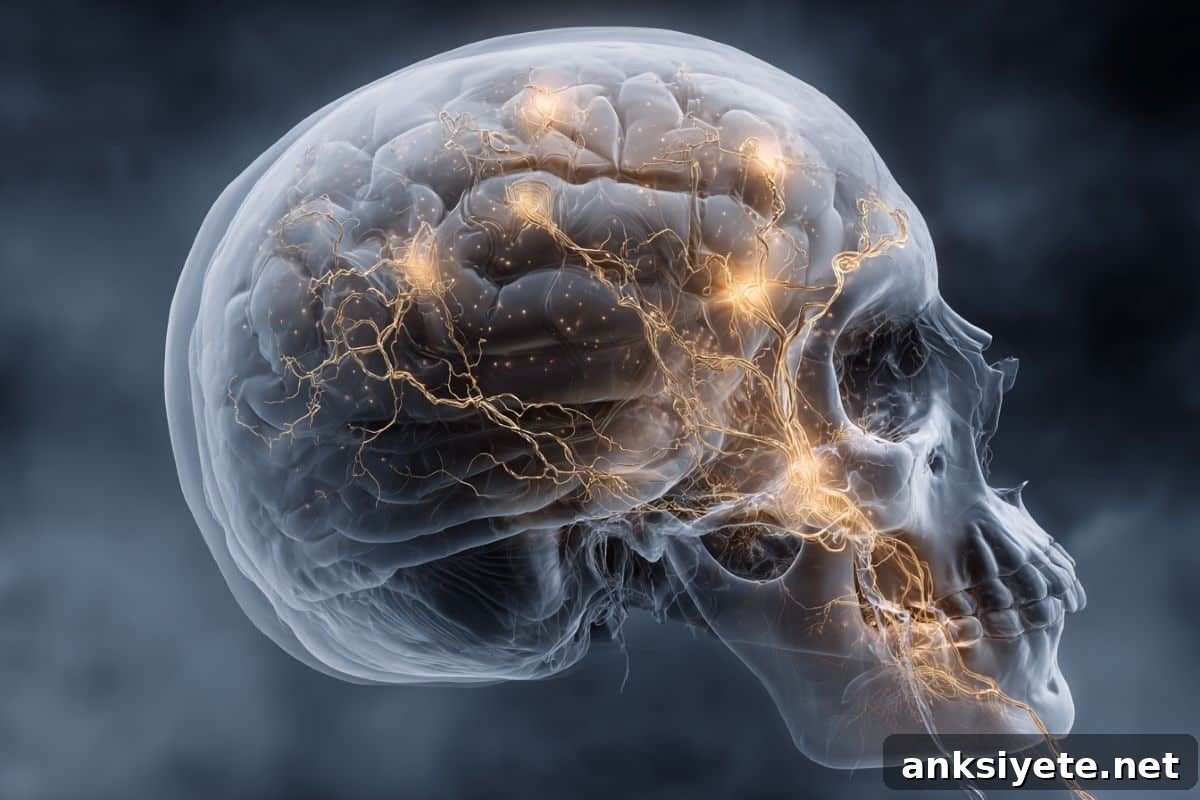
Summary: Glioblastoma, the most aggressive form of brain cancer, does more than damage brain tissue: it erodes the skull and reshapes the immune environment by changing the marrow inside the skull. Researchers found that tumors increase the number and size of tiny channels that link skull marrow to the brain, enabling waves of inflammatory immune cells to enter the tumor and promote its growth.
Experiments in mice, supported by observations in patients, revealed skull thinning patterns that are specific to glioblastoma and a rearranged immune cell balance that can undermine the effectiveness of current therapies. These discoveries point to the need for treatments that treat glioblastoma as a systemic disease, not only a local brain tumor.
Key Facts:
- Skull erosion: Glioblastoma induces bone loss in the skull, notably along the cranial sutures where skull plates meet.
- Immune hijacking: Tumors reprogram skull marrow to favor pro-inflammatory myeloid cells, which can accelerate tumor aggressiveness.
- Treatment implications: Drugs that prevent bone loss halted skull erosion but in some cases accelerated tumor growth and reduced the benefit of immunotherapy.
Source: Albert Einstein College of Medicine
Researchers at Montefiore Einstein Comprehensive Cancer Center and Albert Einstein College of Medicine report that glioblastoma affects far more than the brain: it causes calvarial bone loss, alters the cellular composition of skull marrow, and disrupts systemic immune responses.
The study, published in Nature Neuroscience, shows that treatments aimed at blocking bone resorption prevented visible skull damage but in some cases made tumors more aggressive and interfered with immunotherapy effectiveness.
“Discovering that glioblastoma actively communicates with the body’s immune system helps explain why therapies that treat the tumor as a strictly local brain problem have not succeeded,” said Jinan Behnan, Ph.D., assistant professor in the Leo M. Davidoff Department of Neurological Surgery and in microbiology & immunology at Einstein, and a member of the NCI-designated MECCC. “This insight should guide development of treatments that address both the brain and peripheral immune changes.”
The National Cancer Institute estimates roughly 15,000 new glioblastoma cases annually in the United States. With current standard treatment—surgery, chemotherapy, and radiation—the median survival remains about 15 months.
A Matter of Marrow
Like other bones, the skull contains marrow where immune and blood cells develop. Recent work identified very small channels that connect skull marrow directly with the brain, creating a route for cells and signals. Motivated by these findings, Dr. Behnan’s team used high-resolution imaging in mouse models of two glioblastoma subtypes.
They observed skull bone loss focused at sutures and an increase in the number and caliber of skull-to-brain channels. Corresponding CT scans from glioblastoma patients showed reduced skull thickness in the same anatomical regions, suggesting a shared pattern across species.
These skull erosions were not seen after stroke, other forms of brain injury, or in mice with non-brain cancers, indicating the changes are specific to malignant intracranial tumors such as glioblastoma.
A Tilt Toward Inflammation
Single-cell RNA sequencing of marrow cells revealed that glioblastoma dramatically reshapes the skull marrow immune landscape. The tumor environment drove a large increase in pro-inflammatory myeloid cells, particularly neutrophils, while markedly reducing multiple B cell populations that produce antibodies.
“The enlarged skull-to-brain channels enable a surge of inflammatory cells from skull marrow into the tumor, which can make glioblastoma more aggressive and harder to treat,” said co-author E. Richard Stanley, Ph.D., professor of developmental and molecular biology at Einstein. Restoring immune balance in skull marrow—reducing inflammatory neutrophils and monocytes while reconstituting T and B cell populations—may be a necessary therapeutic strategy.
Importantly, skull marrow and femoral marrow responded differently to the tumor. Glioblastoma activated genes in skull marrow that promote inflammatory cell production, while in femur marrow the tumor suppressed genes required for multiple immune lineages, underscoring organ-specific marrow responses.
To test whether blocking bone loss would alter disease course, researchers treated glioblastoma-bearing mice with two FDA-approved anti-osteoporosis agents: zoledronic acid and denosumab. Both drugs prevented skull erosion, but zoledronic acid accelerated progression in one glioblastoma subtype. Both agents also abolished the survival benefit of anti-PD-L1 immune checkpoint therapy, reducing activated T cells and increasing inflammatory neutrophils.
The study’s title is “Brain Tumors Induce Widespread Disruption of Calvarial Bone and Alteration of Skull Marrow Immune Landscape,” led by Jinan Behnan et al. The work includes contributions from multiple investigators at MECCC, Albert Einstein College of Medicine, and collaborating institutions worldwide.
Key Questions Answered
A: Glioblastoma causes localized skull bone loss, changes the cellular composition of skull marrow, and disrupts immune balance, creating a pathway for inflammatory cells to feed the tumor.
A: The tumor environment expands pro-inflammatory neutrophils and other myeloid cells while greatly reducing multiple B cell subsets, shifting the marrow toward inflammation.
A: Many therapies focus on the tumor inside the brain, but these findings show glioblastoma also reshapes skull bone and systemic immunity, which can undermine local treatments and immunotherapies.
About this glioblastoma brain cancer research news
Author: Elaine Iandoli
Source: Albert Einstein College of Medicine
Contact: Elaine Iandoli – Albert Einstein College of Medicine
Image: The image is credited to Neuroscience News
Original Research: Open access. “Brain Tumors Induce Widespread Disruption of Calvarial Bone and Alteration of Skull Marrow Immune Landscape” by Jinan Behnan et al., Nature Neuroscience.
Abstract
Brain tumors induce widespread disruption of calvarial bone and alteration of skull marrow immune landscape
The skull marrow niche is a recognized source of monocytes and neutrophils that can supply the brain during disease and injury, yet its role in brain tumors has been unclear. This study shows that glioblastoma provokes extensive calvarial bone changes in mouse models and in patients, alters osteoclast activity, and increases skull channel formation in mice.
Single-cell RNA sequencing demonstrated tumor-driven shifts in the immune composition of skull marrow and femoral marrow, notably an expansion of neutrophils and loss of diverse B cell subsets. Inhibiting bone resorption in vivo reduced visible bone abnormalities but paradoxically accelerated tumor growth in a mesenchymal glioblastoma subtype and eliminated the survival advantage conferred by anti-PD-L1 therapy by reducing activated T cells and increasing inflammatory neutrophils.
Together, these results reveal how glioblastoma affects skull bone and local immune environments, highlighting the need for therapies that address both tumor-intrinsic factors and systemic immune remodeling.