
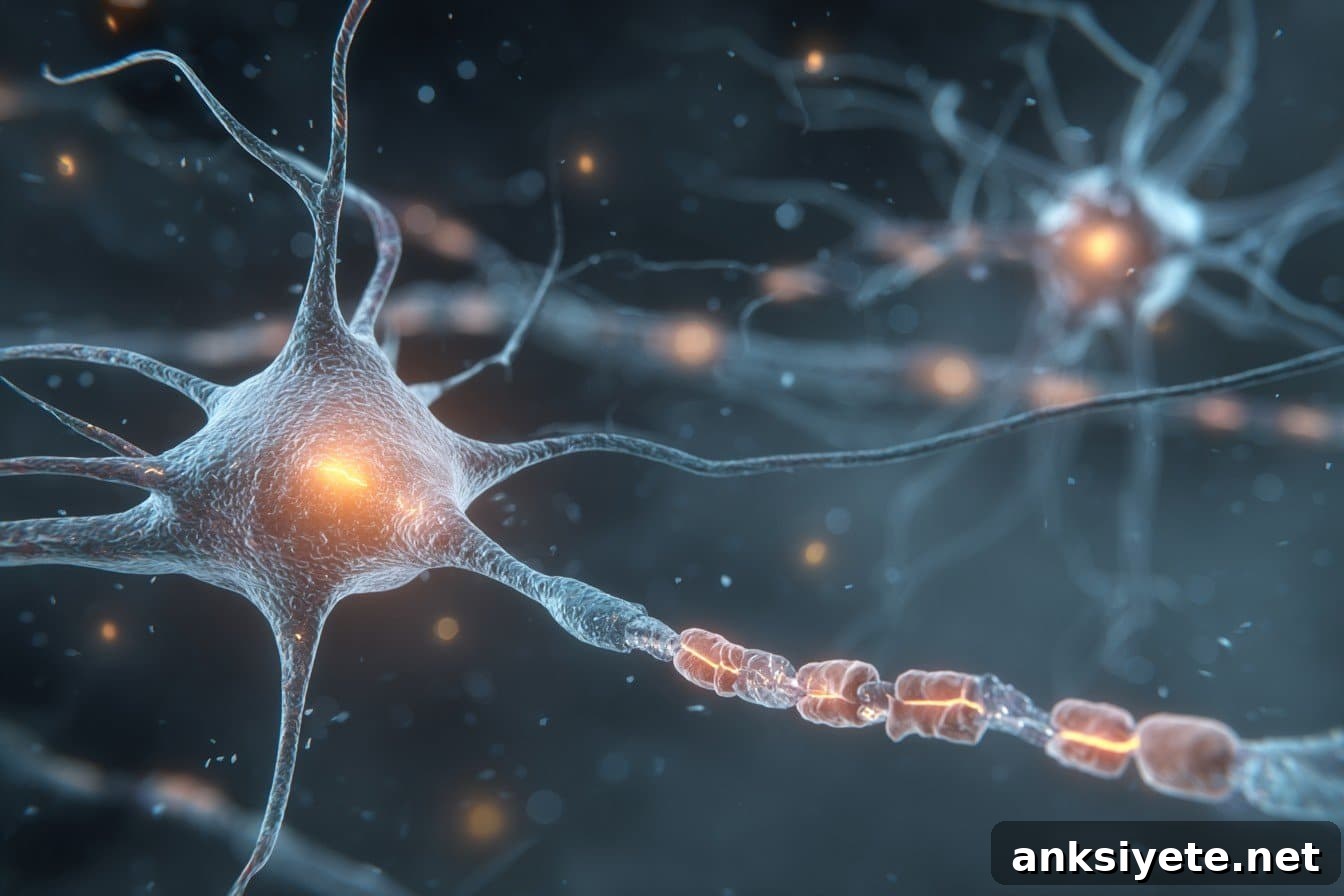
Summary: A new study reveals why some motor neurons are resistant to degeneration in amyotrophic lateral sclerosis (ALS) while others are vulnerable. Researchers found that motor neurons controlling eye movements sustain high baseline levels of protective genes such as En1 and Galanin, which appear to shield them from disease-related damage.
By contrast, vulnerable motor neurons mount both protective and regenerative responses as the disease advances, but these responses are insufficient to prevent degeneration. Using machine learning, the team also identified VGF, INA, and PENK as promising biomarkers that may improve early diagnosis and guide the development of targeted therapies.
Key Facts
- Protective Genes: Resistant motor neurons show high baseline expression of En1, Pvalb, Cd63, and Galanin.
- Dual Response: Vulnerable motor neurons activate both protective and regenerative programs but still deteriorate over time.
- AI Biomarkers: Machine learning highlighted VGF, INA, and PENK as robust indicators of ALS across models.
Source: Stockholm University
Researchers at Stockholm University, in collaboration with groups at the Paris Brain Institute and Örebro University, analyzed millions of messenger RNA (mRNA) molecules across the course of ALS to determine why some motor neurons resist degeneration while others are selectively lost.
Published in the journal Genome Research, the study focused on a hereditary form of ALS linked to mutations in the SOD1 gene. The investigators profiled transcriptional changes in distinct motor neuron populations to map differences between resilient and vulnerable neurons.
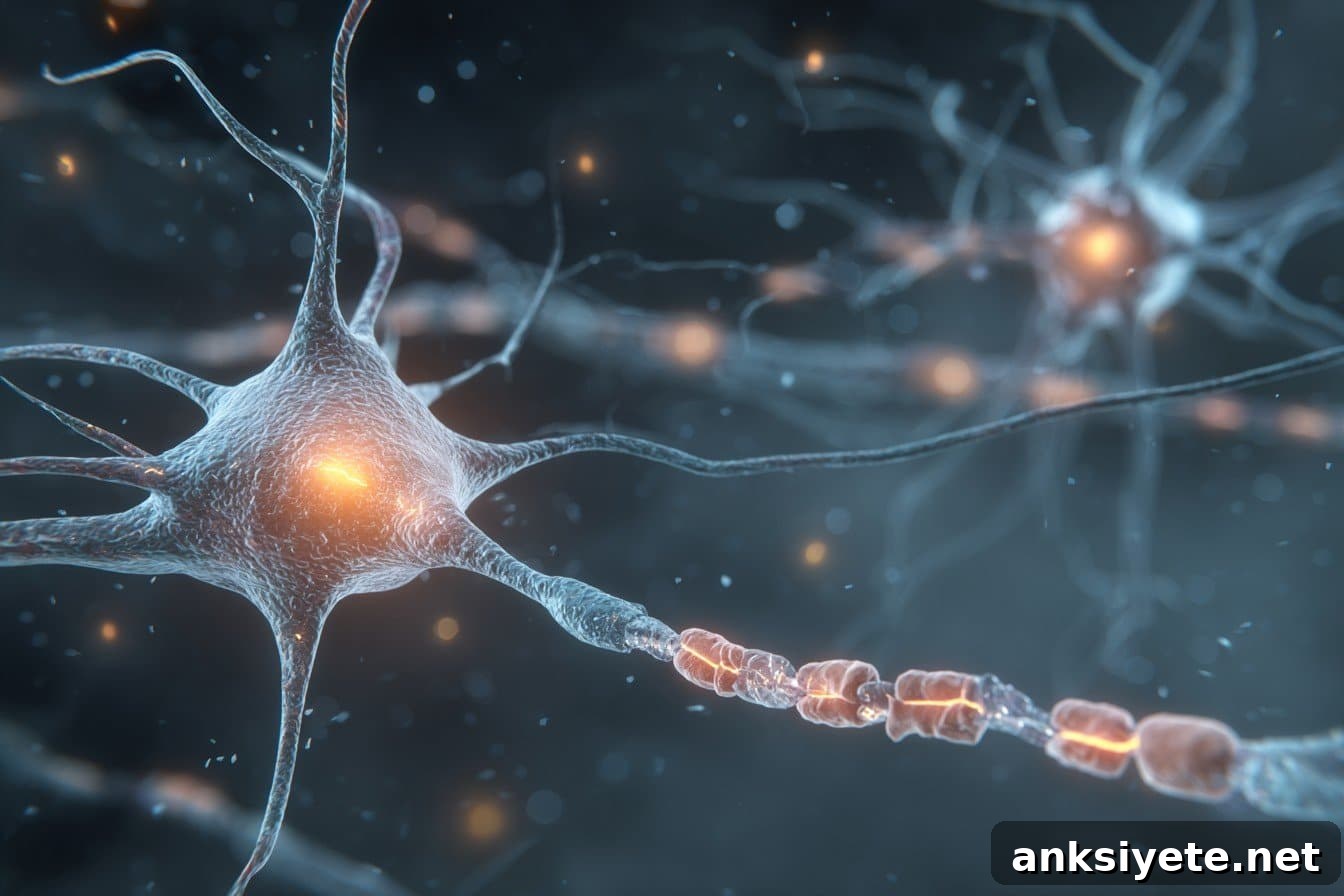
“We now have a clearer picture of how some motor neurons are naturally protected from ALS, which points to new targets for therapeutic development,” says Eva Hedlund, professor of neurochemistry at Stockholm University and lead author of the study.
ALS is a progressive, fatal disorder in which motor neurons die and their synaptic connections with skeletal muscles break down. Notably, certain motor neuron groups, such as those that control eye movements, show remarkable resilience to degeneration.
The study demonstrates that resistant motor neurons display few disease-induced changes because they already express high baseline levels of multiple neuroprotective factors. Key genes elevated in these neurons include Engrailed-1 (En1), Parvalbumin (Pvalb), Cd63, and Galanin (Gal). En1 functions as a transcription factor that regulates gene activity and can influence neuronal survival.
“Previous research suggested En1 can protect vulnerable neurons, but finding it naturally abundant in ocular motor neurons was unexpected,” notes co-author Dr. Melanie Leboeuf. This high baseline expression likely helps explain why those neurons withstand SOD1-linked ALS better than others.
Vulnerable motor neurons, in contrast, show a complex response to disease. They upregulate both detrimental pathways and defensive programs, and they attempt regenerative efforts by activating genes such as Atf3 and Sprr1a. Despite these efforts, the compensatory responses fail to prevent progressive neuronal loss.
“The vulnerable neurons clearly try to imitate aspects of the resilient neurons by increasing expression of protective genes, yet the response comes too late or is incomplete,” explains Eva Hedlund. The distinction between high basal expression in resilient cells and induced responses in vulnerable cells may be central to selective vulnerability in ALS.
To identify which transcriptional changes best predict ALS, the researchers applied machine learning to gene expression data. This analysis singled out VGF, INA, and PENK as strong cross-species predictors of disease state in spinal motor neurons and in human stem cell–derived models carrying different SOD1 mutations.
“These genes show promise as biomarkers for ALS and could assist in earlier diagnosis and prognosis, as well as offer new molecular targets for therapeutic strategies,” says Irene Mei, PhD student and first author of the paper.
The discovery of distinct baseline and induced gene expression programs across motor neuron populations offers a foundation for new treatment concepts. By supporting protective pathways that are already active in resilient neurons, or by suppressing harmful responses in vulnerable neurons, it may be possible to slow disease progression and improve outcomes.
About this ALS and genetics research news
Author: Lina Enell
Source: Stockholm University
Contact: Lina Enell – Stockholm University
Image: The image is credited to Neuroscience News
Original Research: Open access. “Transcriptional modulation unique to vulnerable motor neurons predicts ALS across species and SOD1 mutations” by Eva Hedlund et al., published in Genome Research. DOI: 10.1101/gr.279501.124
Abstract
Transcriptional modulation unique to vulnerable motor neurons predicts ALS across species and SOD1 mutations
ALS is defined by progressive loss of motor neurons that control skeletal muscles, yet some motor neuron groups, including ocular motor neurons, are relatively resilient. To identify drivers of resilience and vulnerability, the study examined transcriptional dynamics of four motor neuron populations in SOD1G93A ALS mice using laser-capture microdissection sequencing and single-molecule fluorescent in situ hybridization.
Resilient ocular motor neurons regulate few genes during disease because they already express high baseline levels of neuroprotective factors such as En1, Pvalb, Cd63, and Gal. Vulnerable motor neurons activate both damaging and regenerative responses, and meta-analysis across rodent SOD1 transcriptome data identified a shared vulnerability signature of genes involved in apoptosis and a concurrent pro-regenerative, antiapoptotic signature.
Machine learning using genes upregulated in SOD1G93A spinal motor neurons predicted disease in human stem cell–derived SOD1E100G motor neurons and showed dysregulation of VGF, INA, and PENK as robust cross-species disease predictors. The findings outline motor neuron population–specific gene expression and temporal disease regulation that together explain selective vulnerability and resilience in ALS and provide predictive molecular markers.