
Key Questions Answered
Q: How do expectations influence pain perception?
A: Expectations formed from immediate external cues (for example, visual signals that predict pain intensity) and expectations formed from information about treatments (such as verbal reassurance or placebo explanations) both can reduce how much pain people report. However, they operate through distinct psychological processes and engage different brain systems.
Q: What did brain imaging reveal about these effects?
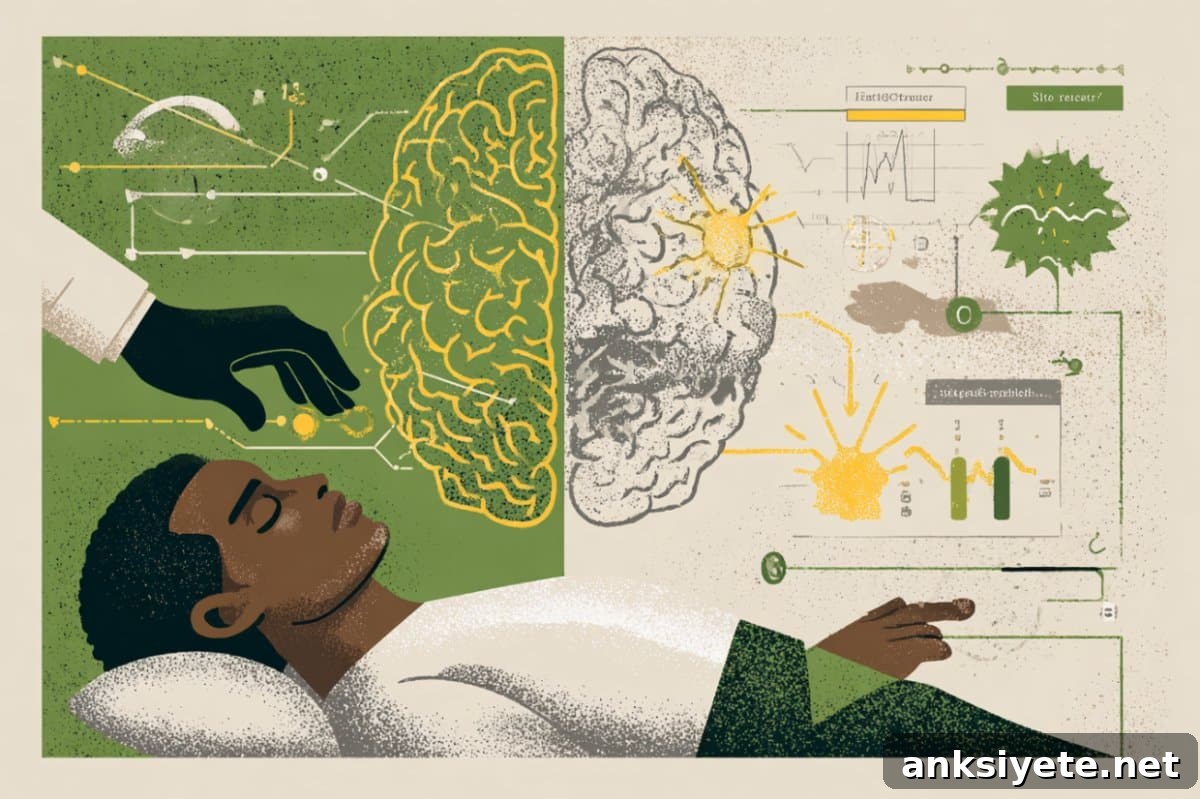
A: Neuroimaging showed that only externally delivered predictive cues changed a validated neural biomarker of pain. In contrast, expectations generated by treatment information preferentially activated brain regions involved in evaluation, appraisal, and the meaning of the experience, suggesting separate neural mechanisms.
Q: Why does this matter for healthcare providers?
A: Clinicians should recognize that the way they communicate about pain and treatments—whether by signaling what to expect in the moment or by explaining the treatment’s intended effects—can shape patient pain in different ways. Not all reassurance or expectation-setting has the same physiological or perceptual impact.
Summary: A recent brain imaging study demonstrates that the source of a person’s expectation—sensory cues versus information about a treatment—matters for how strongly pain is experienced. Visual or other predictive cues reliably reduced reported pain and altered activity in brain areas tied directly to pain processing. By contrast, expectation derived from treatment information (a placebo-like explanation) produced less consistent reductions and engaged brain systems that evaluate meaning and context rather than the core nociceptive signature.
The distinction between “seeing” an immediate cue and “believing” in the efficacy of a treatment suggests that different routes to pain relief tap different neural circuits. How pain is framed—through cues or through verbal explanation—can therefore change the intensity of the pain experience and the brain’s response to noxious stimulation.
Key Facts:
- Two paths to reduced pain: External predictive cues and treatment-based expectations both lessen perceived pain but recruit different neural systems.
- Neural pain biomarker: Only external cues influenced a validated neural signature linked to pain processing.
- Clinical relevance: Cue-based expectations produced more reliable reductions in pain than did treatment-based expectations across participants.
Source: SfN
Background: Prior research has shown that what people expect can shape how much pain they feel. Expectations can be formed in multiple ways—by sensory cues that predict a more or less painful event, or by verbal information from clinicians describing how a treatment might work. Understanding whether these different expectation types act through the same or different brain mechanisms is important for both basic neuroscience and clinical practice.
Led by Lauren Atlas at the National Institutes of Health, the research team investigated how distinct expectation sources influence pain and the brain. Their findings, reported in the Journal of Neuroscience, come from a neuroimaging study of 40 healthy volunteers who experienced painful heat stimulation while brain activity was recorded and rated the intensity of their pain.
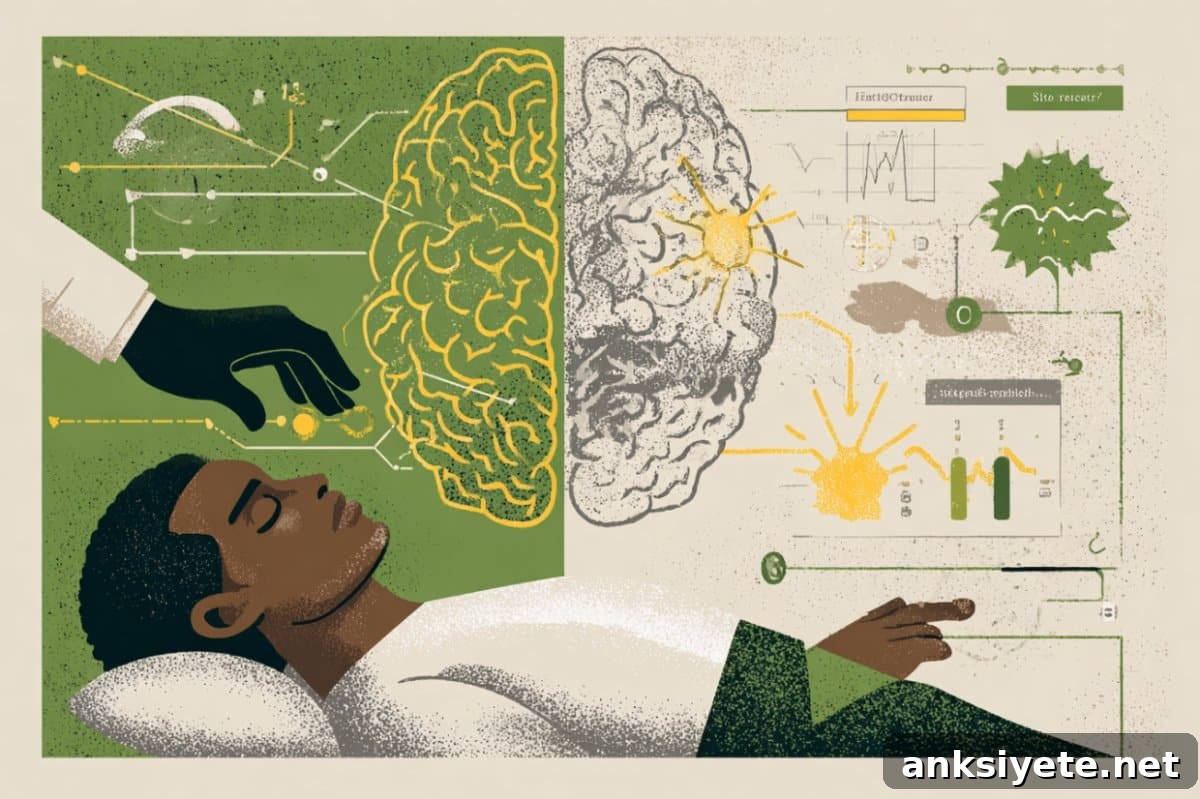
During the experiment, participants learned to associate external cues with the likely intensity of an upcoming heat stimulus; cue type varied from trial to trial. In a subset of trials, participants were also given a placebo “treatment” in the form of a lotion presented as pain-relieving. The study found that external predictive cues reduced reported pain consistently across all participants. By contrast, the placebo treatment reduced pain reports in roughly half of the participants, indicating more variable effects for treatment-based expectations.
Further analyses revealed an interaction between cues and placebo treatment: predictive cues had a diminished influence when placebo treatment information was also present. Brain imaging linked the combined and separate effects to activity in distinct regions. Specifically, only the cues produced changes in a validated neural biomarker for pain, while the placebo-related expectations primarily engaged evaluative and meaning-related brain areas rather than the core pain signature.
These results indicate that expectations formed from immediate external signals versus those formed from treatment explanations likely represent different mechanisms for modulating pain. The authors conclude that cue-based expectations tend to be more consistent in their effects, a consideration that may inform how clinicians communicate with patients about upcoming procedures and treatments.
As Atlas notes, the language and signals clinicians use matter: a simple, immediate cue that a procedure will hurt is not the same as providing an explanation that a treatment will alleviate discomfort. Each approach changes the patient’s experience through different neural pathways.
About this pain perception research news
Author: SfN Media
Source: SfN
Contact: SfN Media – SfN
Image: The image is credited to Neuroscience News
Original Research: The findings will appear in Journal of Neuroscience