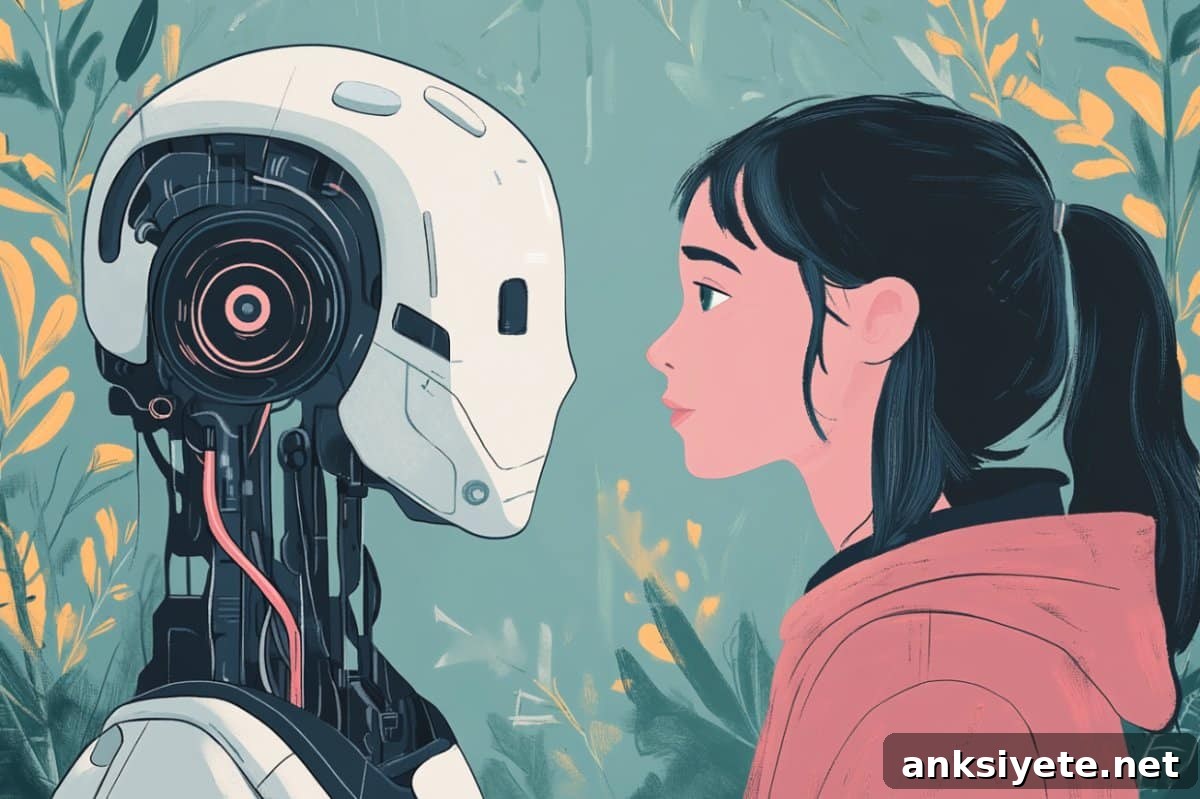
Summary: As artificial intelligence becomes more integrated into everyday life, researchers are examining whether people form attachment-like bonds with AI similar to human interpersonal relationships. A new study from Waseda University introduces a validated scale to measure emotional tendencies toward AI and identifies distinct patterns—some users seek reassurance and closeness from AI, while others prefer to keep a distance.
The research highlights two primary dimensions—attachment anxiety and attachment avoidance—that shape how individuals perceive and use AI for support. These insights have practical implications for designing ethical, transparent, and adaptive AI systems for companionship, therapy, or customer service.
Key Facts:
- Two attachment styles: People generally show either anxiety (seeking reassurance) or avoidance (preferring distance) in their attitudes toward AI.
- Common use for advice: Nearly 75% of study participants reported turning to AI for advice; about 39% described AI as a stable or dependable presence in their lives.
- Design and ethics: Findings emphasize the need for transparent AI behavior and interaction styles that adjust to users’ emotional needs to prevent overreliance or manipulation.
Source: Waseda University
Background
Artificial intelligence is becoming more capable and pervasive, expanding both the frequency and complexity of human-AI interactions. Historically, researchers have focused on trust and perceived usefulness. This study explores a complementary perspective: whether classic attachment concepts used to explain human relationships can also apply to interactions with AI.
A research team at Waseda University, including Research Associate Fan Yang and Professor Atsushi Oshio from the Faculty of Letters, Arts and Sciences, conducted two pilot studies and a formal validation study to investigate this question. Their results were published in Current Psychology in May 2025.
What the researchers did
The team proposed that interactions with modern generative AI can serve attachment-like functions. To test this, they developed a new self-report instrument, the Experiences in Human-AI Relationships Scale (EHARS), designed to measure attachment-related tendencies specifically in human-AI contexts. EHARS was refined through pilot work and then tested for reliability and validity in a larger formal study.
Main findings
Analysis of the survey data revealed two clear dimensions in how people relate to AI:
- Attachment anxiety toward AI: Individuals high on this dimension report a strong need for emotional reassurance from AI and worry that AI responses may be insufficient or unsupportive.
- Attachment avoidance toward AI: Individuals high on avoidance feel uncomfortable with closeness or emotional intimacy from AI and tend to maintain distance in their interactions.
Importantly, the authors note that these results do not imply that people are forming human-equivalent emotional bonds with machines. Rather, the study suggests that psychological frameworks developed for human relationships can help explain patterns in human-AI interactions and clarify how people use AI for both information and emotional support.
Implications for design and ethics
The EHARS instrument and the study’s findings can guide developers, clinicians, and policymakers. For example, AI chatbots used in loneliness interventions or therapeutic apps could adapt their tone and responsiveness to align with users’ attachment tendencies—offering more empathetic, reassuring responses for users with high attachment anxiety and maintaining respectful distance for those with avoidant preferences.
The study also raises ethical considerations for AI applications that simulate close emotional relationships, such as romantic AI apps or caregiving robots. Transparency about capabilities and limitations is important to avoid fostering unhealthy emotional dependence or unintentionally manipulating users.
Research utility
EHARS can serve as a practical tool for both researchers and designers to assess how people relate emotionally to AI and to tailor interaction strategies accordingly. Future research should examine how these attachment dimensions operate across different AI contexts, cultures, and user populations.
“As AI becomes increasingly integrated into everyday life, people may begin to seek not only information but also emotional support from AI systems,” says Fan Yang. “Our research highlights the psychological dynamics behind these interactions and offers tools to assess emotional tendencies toward AI, helping guide policies and design practices that prioritize psychological well-being.”
About this AI and human bonding research news
Author: Armand Aponte
Source: Waseda University
Contact: Armand Aponte – Waseda University
Image: The image is credited to Neuroscience News
Original Research: Open access.
“Using attachment theory to conceptualize and measure the experiences in human-AI relationships” by Fan Yang et al., Current Psychology
Abstract (condensed)
This project explored whether attachment theory can be applied to human-AI relationships. Across two pilot studies and one formal validation study, researchers developed and tested the Experiences in Human-AI Relationships Scale (EHARS). Results support a two-dimensional structure—attachment anxiety and attachment avoidance—that parallels traditional interpersonal attachment patterns. Attachment anxiety reflects a need for emotional reassurance from AI and concern about inadequate responses; attachment avoidance reflects discomfort with closeness and a preference for emotional distance. These findings suggest structural similarities in how people relate to humans, pets, and AI, and encourage further research on attachment dynamics across different relational contexts.