
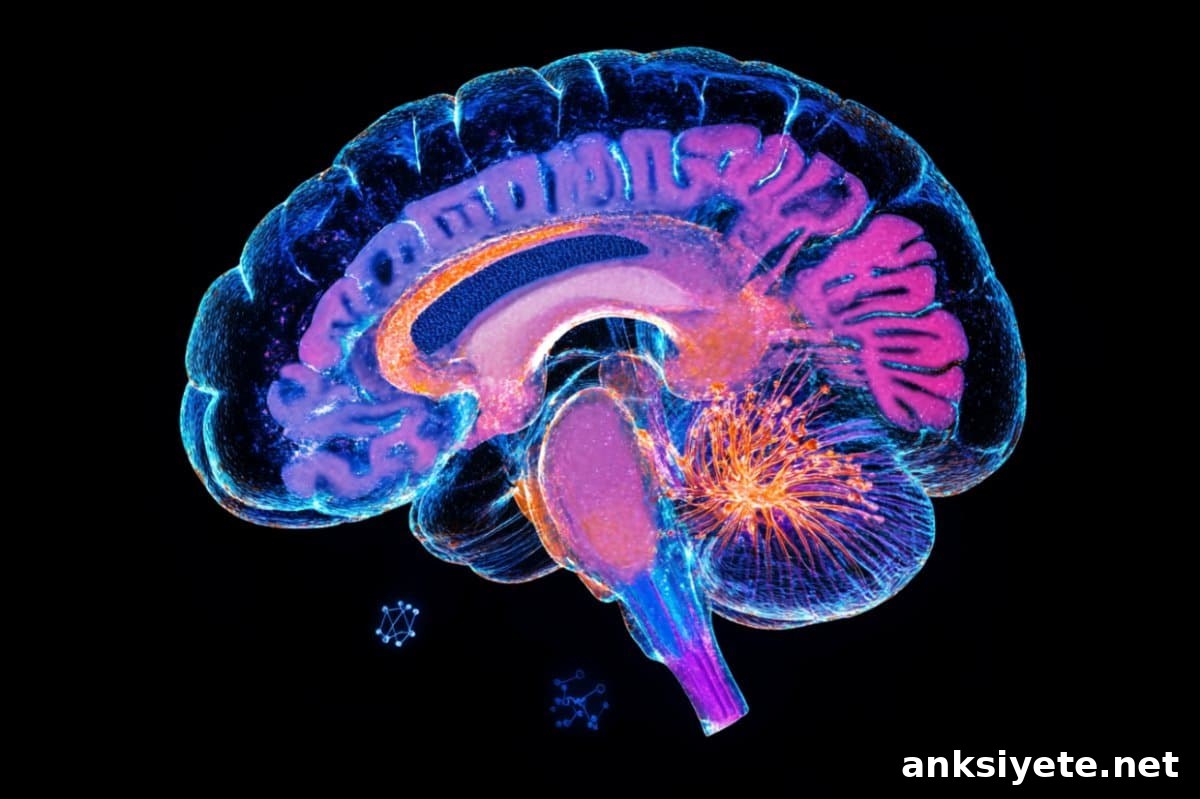
Summary: Frontotemporal dementia (FTD), a leading cause of early-onset dementia, is frequently misdiagnosed because its symptoms overlap with psychiatric and other neurological disorders. In a new NIH-funded study, researchers at the University of California, San Francisco identified distinctive protein changes in cerebrospinal fluid that may serve as the first specific biomarkers for FTD in living patients.
The altered proteins point to disturbances in RNA regulation and neural connectivity—processes essential for healthy brain function. By studying people with inherited forms of FTD, the team uncovered molecular patterns that could enable earlier, more accurate diagnosis and help enroll patients in targeted clinical trials and therapeutic studies.
Key Facts:
- Early clues identified: Analysis of more than 4,000 proteins revealed patterns of change specific to FTD.
- Underlying biology: Alterations indicate disrupted RNA splicing and extracellular matrix changes, together with decreased synaptic and autophagy-related proteins.
- Diagnostic potential: These protein signatures could become the first biomarkers to detect FTD during middle age, before severe symptoms appear.
Source: UCSF
Why FTD is hard to recognize
Dementia is commonly associated with older age, so when cognitive and behavioral decline begins in middle age it can be overlooked or mistaken for other conditions. Frontotemporal dementia often mimics psychiatric disorders such as depression or schizophrenia, and it can resemble Parkinsonian syndromes, delaying correct diagnosis and timely care.
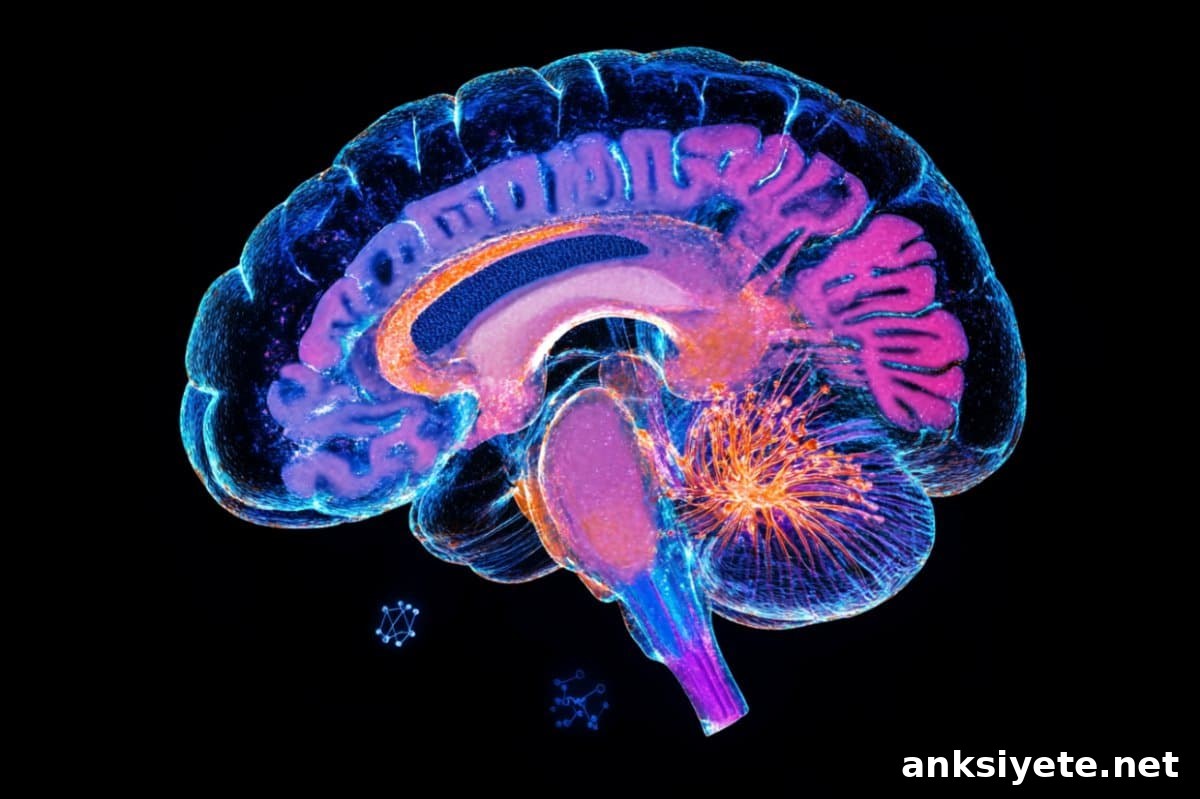
Published in Nature Aging on May 16, the study compared cerebrospinal fluid from 116 adults with inherited frontotemporal lobar degeneration (FTLD) mutations to fluid from 39 non-carrier family members. Because all patient participants carried autosomal dominant mutations linked to FTLD—C9orf72, GRN, or MAPT—the researchers could study molecular changes in living people with genetically confirmed disease, a clarity that is not available for most sporadic FTD cases where certainty often comes only at autopsy.
Using aptamer-based proteomics to measure more than 4,000 proteins, the investigators applied network analysis to identify modules of co-expressed proteins. They found 31 distinct protein modules, several of which correlated with clinical severity and genetic subtype. Notably, modules related to RNA splicing were elevated in C9orf72 and GRN mutation carriers, while extracellular matrix-related proteins were particularly prominent in MAPT carriers. Conversely, synaptic and neuronal proteins and autophagy-related proteins were reduced—consistent with impaired neural connectivity and cellular clearance processes.
Clinical implications
These proteomic signatures offer a promising path toward reliable biomarkers for FTD. If validated across larger and more diverse groups, specific “hub” proteins within affected modules could serve as measurable indicators of disease onset and progression. Early detection would enable clinicians to guide patients to appropriate resources, enroll them in relevant clinical trials, and tailor emerging precision therapies to the underlying biology of their disease.
“FTD affects people in the prime of their lives and strips them of independence,” said Rowan Saloner, PhD, professor in the UCSF Memory and Aging Center and corresponding author of the study. “Currently there is no definitive way to diagnose FTD in living patients the way there is for some other dementias. Identifying reliable proteomic markers would be a major advance.”
Participants were enrolled through the ALLFTD Consortium, coordinated by UCSF and collaborators at other centers. The study’s senior author is Kaitlin Casaletto, PhD, of the UCSF Memory and Aging Center. Other UCSF contributors include Adam Boxer, MD, PhD; Howie Rosen, MD; Brad Boeve, MD; and a multidisciplinary team of clinicians and scientists who contributed to data collection, analysis, and interpretation.
Funding
This research was supported in part by the National Institute on Aging, the National Institute of Neurological Disorders and Stroke, the National Center for Advancing Translational Sciences, and multiple NIH grants and institutional awards. Additional support came from the Alzheimer’s Association, the Association for Frontotemporal Degeneration, the BlueField Project to Cure FTD, CurePSP, the Larry L. Hillblom Foundation, and the Rainwater Charitable Foundation, among others.
About this FTD and neurology research news
Author: Levi Gadye ([email protected])
Source: UCSF
Contact: Levi Gadye – UCSF
Image credit: Neuroscience News
Original Research: Closed access. “Large-scale network analysis of the cerebrospinal fluid proteome identifies molecular signatures of frontotemporal lobar degeneration” by Rowan Saloner et al., Nature Aging.
Abstract
Large-scale network analysis of the cerebrospinal fluid proteome identifies molecular signatures of frontotemporal lobar degeneration
The mechanisms that drive progression of frontotemporal lobar degeneration (FTLD) and reliable biomarkers are not yet fully defined. This study used aptamer-based proteomics to quantify more than 4,000 proteins in cerebrospinal fluid from 116 adults carrying autosomal dominant FTLD mutations (C9orf72, GRN, MAPT) and 39 non-carrier controls. Network analysis revealed 31 protein co-expression modules. Proteomic signatures linked to genetic FTLD clinical severity included increased abundance of RNA splicing modules (especially in C9orf72 and GRN) and extracellular matrix modules (notably in MAPT), as well as decreased abundance of synaptic/neuronal and autophagy modules. The researchers validated the generalizability of these signatures in independent cohorts with related neurodegenerative syndromes. Network-based proteomics therefore show promise for uncovering replicable molecular pathways in living adults with FTLD, and hub proteins within affected modules merit further study as candidate biomarkers and therapeutic targets.