
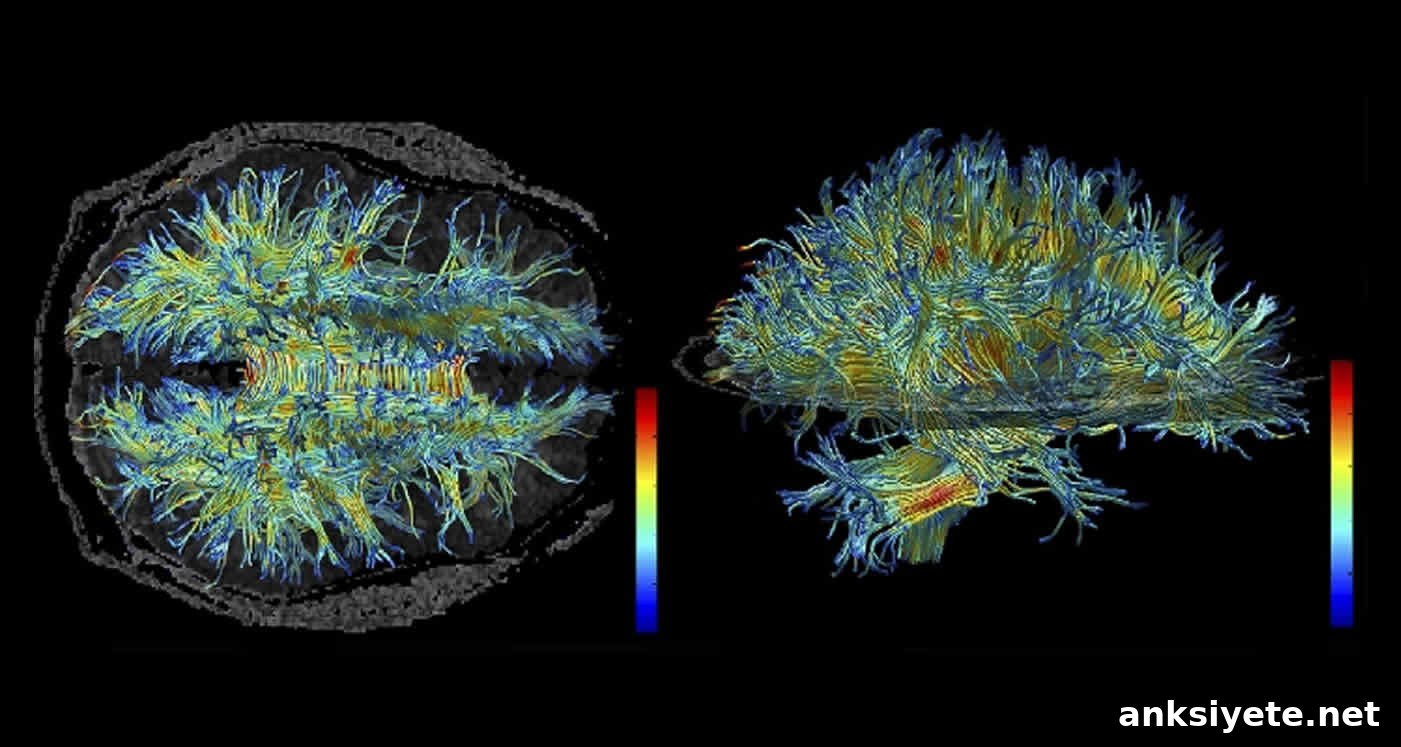
People with a severe, persistent form of schizophrenia show distinct differences in brain network organization compared with individuals who have less severe schizophrenia, with bipolar disorder, and with healthy volunteers, according to a new study from the Centre for Addiction and Mental Health (CAMH).
The research, led by scientists at the Campbell Family Mental Health Research Institute at CAMH, applies a novel connectomics approach to map patterns of brain connectivity. The findings were published in JAMA Psychiatry.
“Helping people in this subgroup is an urgent priority because, for many, recovery remains unlikely even decades after the first episode. Chronic social isolation, unemployment, disrupted relationships and long-term disability are common and devastating,” says Dr. Aristotle Voineskos, senior author of the study and Director of the Slaight Family Centre for Youth in Transition at CAMH.
Schizophrenia affects about one in 100 people and is typically recognized for psychotic symptoms such as delusions and hallucinations, which are often treated with antipsychotic medications. Equally important—but less responsive to current treatments—are negative symptoms: reduced motivation, diminished emotional expression and social withdrawal. These negative symptoms can have the greatest long-term impact on daily functioning once positive psychotic symptoms are controlled.
Lead author Dr. Anne Wheeler, a CAMH post-doctoral fellow, notes that approximately one in five people with schizophrenia experience prominent negative symptoms. At present there are no approved treatments that reliably address these negative symptoms, making it essential to identify biological markers that distinguish this subgroup early in the course of illness.
A reliable, brain-based indicator could help clinicians identify patients at risk for persistent social disability at first presentation, rather than requiring years of clinical observation to determine who will develop chronic functional impairment, Dr. Voineskos explains.
The multisite study used magnetic resonance imaging (MRI) to evaluate brain connectivity in carefully characterized samples. The analysis included 128 people with schizophrenia and 130 healthy control participants scanned at two sites, plus a separate cohort of 39 patients with bipolar disorder and 43 matched healthy controls scanned at a third site. Patients with bipolar disorder provided an important comparison because they can experience psychosis but typically do not show the same pattern of negative symptoms seen in deficit schizophrenia. The research sites were CAMH, the Zucker Hillside Hospital in Glen Oaks, New York, and the Central Institute of Mental Health in Mannheim, Germany.
Rather than examining isolated brain regions, the team used network analysis to quantify the overall density and pattern of connections across brain regions. This connectomics approach assesses how regions communicate as part of larger circuits rather than focusing on single areas in isolation.
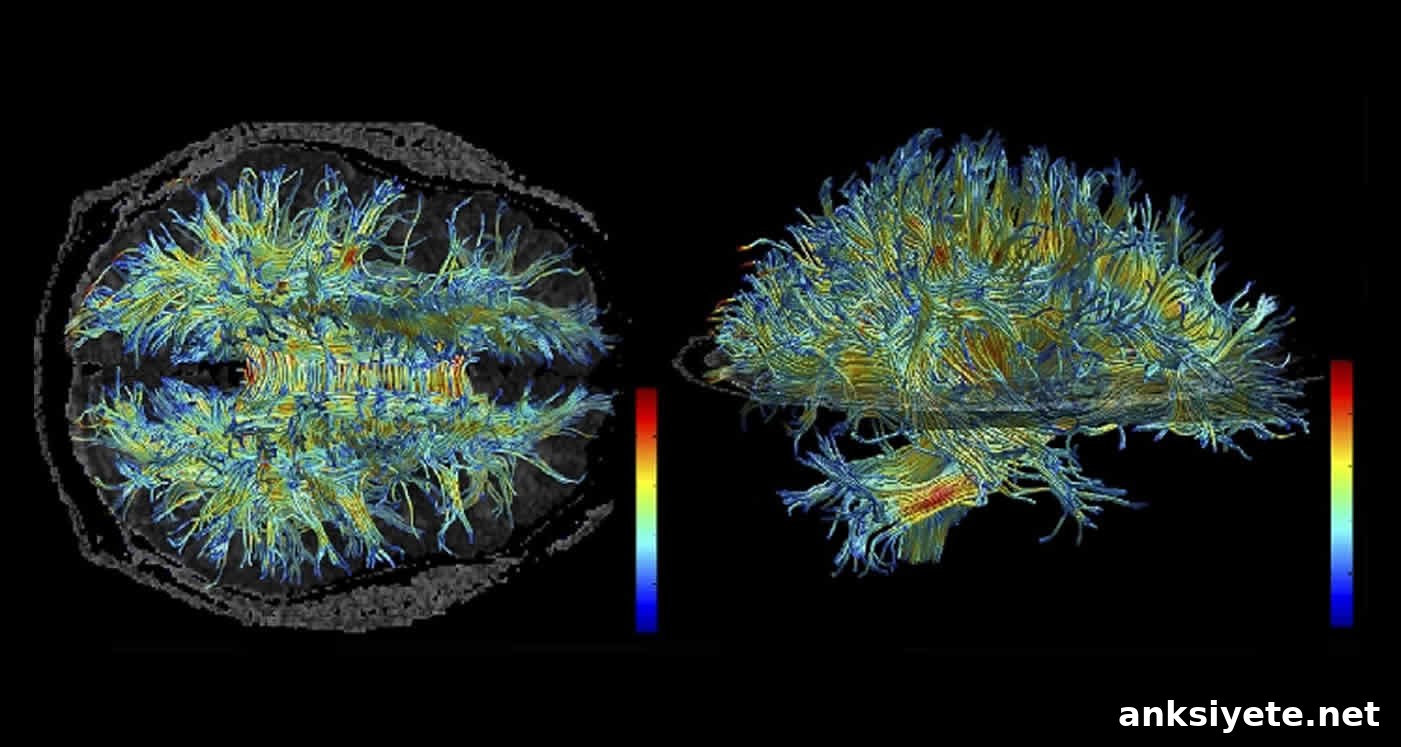
“We observed altered relationships among multiple brain regions in the group with more severe schizophrenia compared with those with less severe illness, bipolar patients and healthy participants,” says Dr. Voineskos. “These results reinforce the view that schizophrenia is heterogeneous and likely includes distinct neurobiological subtypes.”
The new connectomics findings align with earlier work from the same team that identified changes in the white matter pathways that connect those affected regions. Together, the structural white matter differences and the altered network connectivity point to circuit-level abnormalities linked to negative symptoms and social functioning deficits.
Recognizing specific patterns of impaired circuitry is an important step toward developing targeted interventions. The investigators report that they have received support from the U.S. National Institute of Mental Health to perform a larger multi-centre study aimed at defining the full range of brain-circuit impairments that predict social disability across people with schizophrenia.
Translating these biological markers into treatment could enable new therapeutic strategies focused on the affected brain circuits. At CAMH, follow-up studies are already underway that explore circuit-based approaches, including virtual reality interventions to address social functioning and neuromodulation techniques to directly influence brain activity.
The research received partial support from National Institutes of Health grants GM058008 and GM103391.
Contact: Kate Richards – Centre for Addiction and Mental Health
Source: Centre for Addiction and Mental Health press release
Image Source: The image is credited to Kubicki et al./J Psychiatr Res and licensed Creative Commons Attribution-ShareAlike 3.0 Unported
Original Research: Wheeler AL, Wessa M, Szeszko PR, et al. “Further Neuroimaging Evidence for the Deficit Subtype of Schizophrenia: A Cortical Connectomics Analysis.” JAMA Psychiatry. Published online. doi:10.1001/jamapsychiatry.2014.3020