
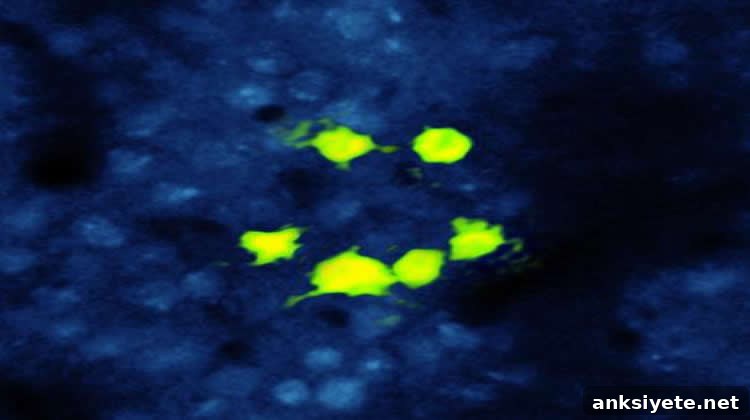
UCL researchers have developed an innovative optical method to study how the brain works by using patterned flashes of light to both “read” and “write” neural signals.
Published in Nature Methods, the new approach combines two advanced, light‑based technologies for observing and controlling electrical activity in the living brain. Genetically encoded activity sensors cause selected nerve cells to emit light when they fire, making their activity visible. At the same time, light‑sensitive proteins expressed in the same cells allow those neurons to be activated by targeted light. By integrating these two tools, the research team was able to observe activity across a neural circuit while selectively stimulating chosen neurons in the intact mouse cortex.
“Combining the ability to read and write activity in the same neurons in the intact brain could fundamentally change how neuroscientists interact with neural circuits,” explains Professor Michael Hausser (UCL Wolfson Institute for Biomedical Research), senior author of the study. He compares the method to having an extended conversation with a person: over time you learn which questions reveal the most about them. In the same way, the researchers used light to stimulate specific combinations of neurons and then recorded how the rest of the circuit responded. From these responses, they aim to infer the rules the brain uses to represent and process information.
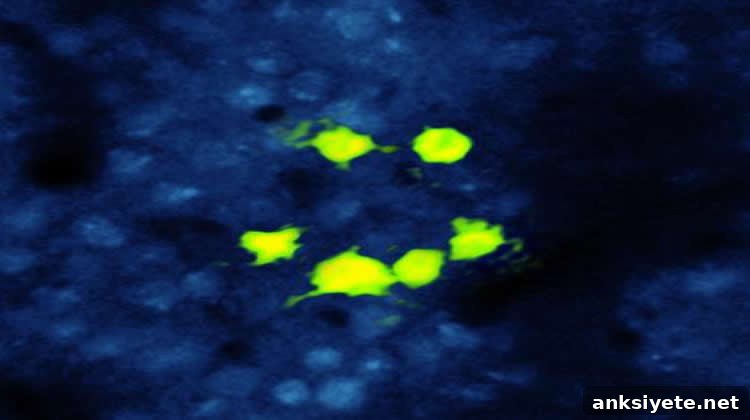
To stimulate multiple neurons at once with cellular precision, the team used a holographic light‑shaping technique that splits an incoming laser into many small beamlets and directs each beamlet to a chosen cell. They targeted neurons in a cortical region responsive to touch, reliably driving activity in selected neurons while simultaneously recording light signals from those cells and from hundreds of neighboring neurons. This all‑optical interrogation allowed the researchers to probe circuit function by activating different spatial and temporal patterns and measuring how activity spread through the network.
Because both stimulation and recording rely on light, the same population of genetically modified neurons can be probed repeatedly over days and weeks. These repeated experiments enable what the authors describe as a long‑term “conversation” with the circuit, where successive stimulations and recordings reveal how responses evolve with experience or over time. The ability to replace a physical sensory stimulus with precisely controlled, holographic patterns of activity raises the prospect of deciphering the neural code that underlies sensory perception.
“We are excited to apply this technology to investigate how groups of neurons—and ultimately the brain—store and process information about the external world,” says first author Dr Adam Packer (UCL Wolfson Institute for Biomedical Research). He emphasises that because both recording and stimulation are optical, the approach is flexible and minimally invasive compared with many traditional electrophysiological methods, enabling detailed, long‑term studies in awake animals.
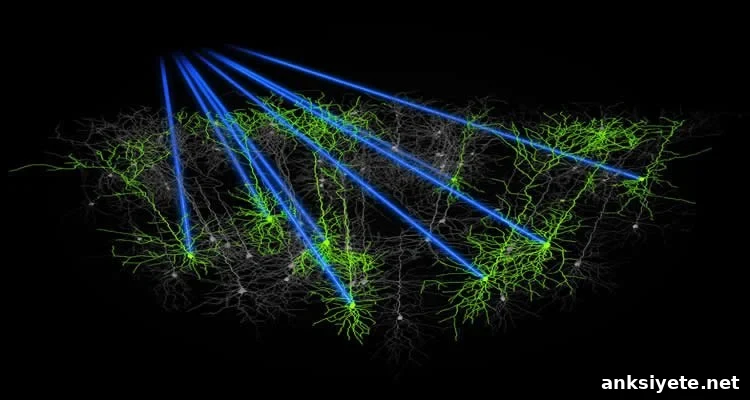
The experimental outcome depends entirely on where and when researchers target the light: different spatial patterns and timing schemes produce distinct responses, which reveal how information flows and is transformed in the network. Beyond basic science, insights from these experiments may improve understanding of neurological conditions in which circuit dynamics are altered, including autism spectrum disorders and dementia, by showing how normal activity patterns are generated and how they break down.
Funding for the study was provided by the Wellcome Trust, the Gatsby Charitable Foundation, the European Commission, the European Molecular Biology Organization, the Medical Research Council and the European Research Council.
Contact: Harry Dayantis – University College London
Source: University College London press release
Image Source: Images credited to Lloyd Russell, Hausser lab, UCL; adapted from the press release
Original Research: Abstract for “Simultaneous all‑optical manipulation and recording of neural circuit activity with cellular resolution in vivo” by Adam M Packer, Lloyd E Russell, Henry W P Dalgleish and Michael Häusser in Nature Methods. Published online December 22, 2014. doi:10.1038/nmeth.3217