
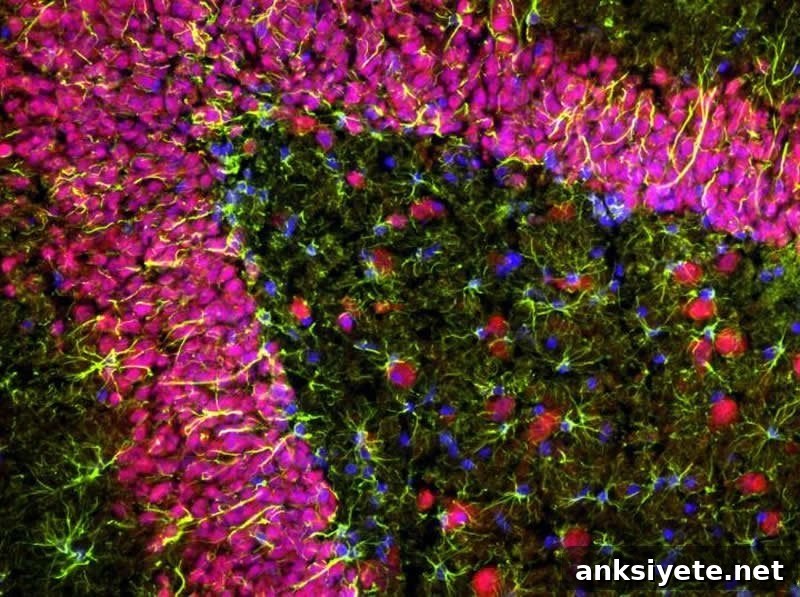
Summary: Reducing neuroinflammation in the brain before cognitive symptoms appear may slow the progression of Alzheimer’s disease.
Source: Experimental Biology
New animal research indicates that lowering neuroinflammation at the preclinical stage of Alzheimer’s disease can reduce disease progression. These findings emphasize the potential value of treatments that target the disease very early, before memory loss and cognitive decline are evident.
In 2011, the National Institute on Aging revised the diagnostic framework for Alzheimer’s disease to reflect its gradual development. That framework introduced a preclinical phase in which biological changes are underway in the brain while the person remains symptom-free. This window offers an opportunity: biomarker profiles detected during this asymptomatic stage could one day identify people who might benefit most from early interventions designed to halt or slow disease progression.
“Starting an intervention at the earliest stage of the disease, when cellular and molecular alterations have already been triggered but major damage to the brain has not yet occurred, could offer a way to reduce the number of people who go on to develop full Alzheimer’s dementia,” said Caterina Scuderi, PhD, assistant professor of pharmacology and toxicology at Sapienza, University of Rome. Scuderi and her colleagues note that few animal studies have tested therapies at timepoints before symptoms appear, leaving a critical knowledge gap about how and when to intervene.
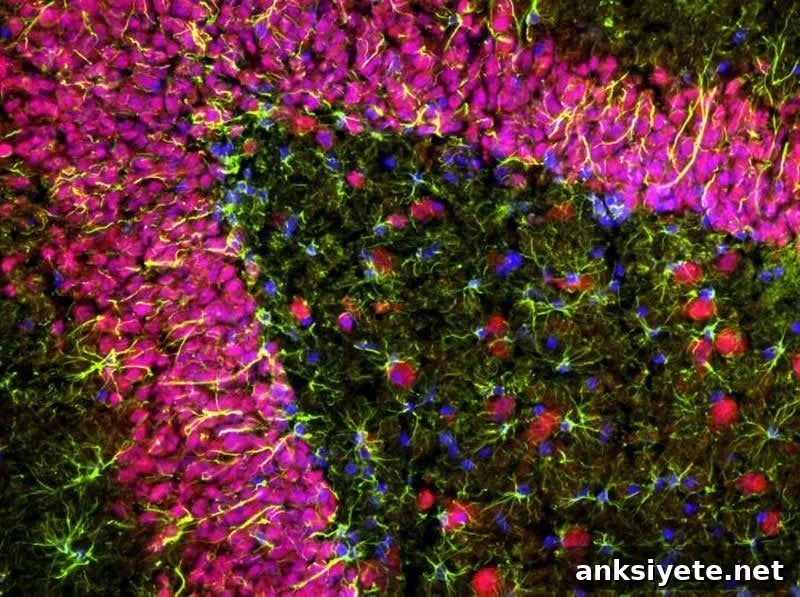
The investigators conducted a controlled animal study specifically to examine the role of neuroinflammation during the pre-symptomatic phase of Alzheimer’s disease. Rather than focusing on later stages when overt memory impairment has already occurred, the team evaluated whether rebalancing inflammatory processes in the brain at an early stage could alter the disease trajectory.
Results from the study suggest that modulating neuroinflammation before cognitive symptoms become apparent can slow the progression of Alzheimer’s-related changes. The researchers observed that animals with altered inflammatory markers in the brain benefited from interventions that reduced neuroinflammatory activity, supporting the idea that early immune-related mechanisms contribute to downstream neuronal dysfunction and clinical decline.
“Our results help demonstrate that neuroinflammation in Alzheimer’s disease is an extremely complex phenomenon that can change over the disease’s progression and varies based on factors such as affected brain area,” said Scuderi. The team emphasizes that neuroinflammatory responses are not uniform across the brain or across stages of disease, which may explain why some therapeutic strategies succeed in one context but not another.
Taken together, these findings argue for greater attention to the earliest phases of Alzheimer’s disease when developing new treatments. If clinicians and researchers can identify individuals at the preclinical stage through biomarkers or other means, targeted anti-inflammatory or immune-modulating therapies may be able to preserve brain function and delay—or possibly prevent—the emergence of dementia symptoms.
About this Alzheimer’s disease research article
Source:
Experimental Biology
Media Contacts:
Anne Frances Johnson – Experimental Biology
Image Source:
Image credited to Giorgia Menegoni, Sapienza, University of Rome.
Original Research: The study was scheduled for presentation at the Experimental Biology 2020 meeting.
Note: The Experimental Biology annual meeting for 2020, which included the American Association for Anatomy program where this work was to be presented, was canceled in response to the COVID-19 outbreak. Despite the cancellation, the research abstract was published in The FASEB Journal.
Shareable Summary: This study highlights the importance of early intervention in Alzheimer’s disease by showing that reducing neuroinflammation during the preclinical stage can slow disease progression in an animal model. The findings support continued research into biomarkers that identify early disease and into therapies that modulate brain inflammation before cognitive decline is evident.