
Summary: A new study from Brown University reports that a commonly prescribed psychostimulant for ADHD raises glutamate levels in specific brain regions of healthy volunteers, and that this rise in glutamate is linked with increased positive emotion.
New research finds ADHD medications raise brain glutamate and predict positive emotional responses
Researchers at Brown University have found that healthy adults who received medically relevant doses of two ADHD psychostimulants experienced measurable increases in glutamate in the dorsal anterior cingulate cortex (dACC), a key brain region involved in emotion, decision-making, and behavior. The increase in glutamate was associated with greater and longer-lasting reports of positive mood and drug liking.
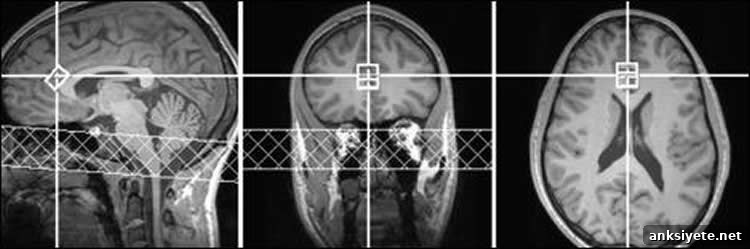
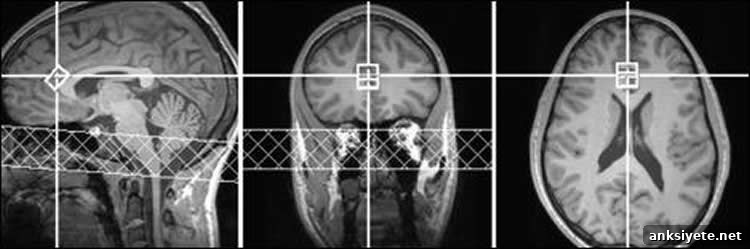
The study, published in Neuropsychopharmacology, used magnetic resonance spectroscopy (1H MRS) to quantify neurometabolite concentrations in the dACC while participants experienced peak drug effects. This is the first human study to show a rapid glutamate increase in response to stimulant drugs, a finding that sheds new light on how psychostimulants act in the healthy human brain and suggests a previously unrecognized relationship between glutamate signaling and positive emotional experience.
“This is the first time that an increase in brain glutamate in response to psychostimulant drugs has been demonstrated in humans,” said Tara White, assistant professor at Brown University School of Public Health and lead author of the study. “Glutamate is the brain’s primary excitatory neurotransmitter and is central to learning and memory. Observing real-time increases that precede positive emotion points to a potential mechanistic link between glutamatergic changes and how positive feelings arise.”
Study design and key findings
The study enrolled healthy adults who passed mental and physical health screening. In a randomized, double-blind, placebo-controlled, within-subject crossover design, each participant received single clinically relevant oral doses of d-amphetamine (20 mg), methamphetamine (20 mg; marketed as Desoxyn), and placebo on separate days. Magnetic resonance spectroscopy scans were collected in the dACC approximately 140–150 minutes after ingestion, during the expected peak of subjective drug effects.
Results showed that d-amphetamine significantly increased glutamate (Glu), the combined glutamate-plus-glutamine signal (Glx), and total creatine (tCr) in the right dorsal anterior cingulate cortex. Methamphetamine produced a gender-specific effect, elevating Glu in female participants more than in males. Importantly, the magnitude of glutamatergic increases correlated with subjective measures: higher Glu and Glx predicted stronger reports of drug high and greater duration of drug liking. The study found no significant drug-induced changes in N-acetylaspartate (tNAA), choline (Cho), or myo-inositol (Ins) after correction for multiple comparisons.
Although the study design was placebo-controlled, the authors stress that their results demonstrate an association between stimulant-induced glutamate increases and positive mood, rather than definitive proof of causation. Still, the consistent temporal pattern—glutamate rising before the onset of reported positive emotion—supports a plausible causal relationship that warrants further investigation.
Gender differences and drug-specific effects
The study identified sex differences in the neural response to psychostimulants: female participants showed larger increases in glutamate compared with male participants and responded more strongly to methamphetamine than to d-amphetamine. These observations align with preclinical animal research that has reported greater stimulant sensitivity in females. The differential effects between the two drugs also indicate that individual stimulant medications can vary in how they influence glutamate and other neurometabolites.
Mechanistic implications and future directions
The authors report evidence suggesting the observed glutamate increase may reflect newly synthesized glutamate, potentially involving changes in metabolic enzymes and amino acid precursors, rather than a simple reduction in reuptake. If confirmed, these metabolic pathways could help explain individual differences in drug responsiveness and susceptibility to reinforcing, mood-enhancing effects. Understanding how psychostimulants alter glutamatergic signaling in cortical hubs like the dACC could also offer new perspectives on the neural basis of positive emotion and on factors that contribute to stimulant misuse.
White and colleagues emphasize the need for follow-up studies to clarify causal relationships, to examine longer-term effects, and to determine whether similar glutamatergic responses occur in clinical populations, such as people with ADHD. They also highlight the importance of exploring sex-specific biological mechanisms that modulate stimulant responses.
Funding and acknowledgments
This research was supported by grants from the National Institute on Drug Abuse (DA R21 029189), the National Science Foundation (DGE 1058262), and the National Institute on Alcohol Abuse and Alcoholism (AA P01 007459). The study was conducted at Brown University’s Center for Alcohol and Addiction Studies.
Original research and citation
The study appeared in Neuropsychopharmacology and provides experimental evidence that certain psychostimulants increase glutamatergic compounds in the human cortex and that these changes predict subjective responses to the drugs. DOI: 10.1038/s41386-018-0027-7.
Abstract (study summary)
Prescription psychostimulants produce rapid changes in mood, energy, and attention and are widely used and abused. This study assessed acute effects of single doses of d-amphetamine, methamphetamine (Desoxyn®), and placebo on neurometabolites in the dorsal anterior cingulate cortex of healthy adults (n = 26) using 1H magnetic resonance spectroscopy. D-amphetamine increased Glu, Glx, and tCr in the dACC; methamphetamine increased Glu in females, showing a significant sex-by-drug interaction. Drug-induced changes in Glu, Glx, and tCr correlated positively with subjective responses, predicting both the duration of drug liking and the magnitude of reported drug high. No reliable changes were found for tNAA, Cho, or Ins after correction for multiple comparisons. These results are the first experimental evidence in humans that specific psychostimulants elevate glutamatergic compounds in cortex and that those biochemical changes relate to subjective drug effects.