
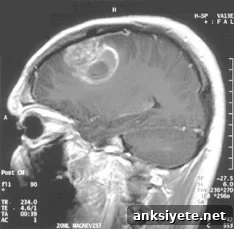
Researchers introduce a brain-penetrating nanoparticle therapy that prolongs survival in laboratory models of deadly glioblastoma
Scientists at Yale and Johns Hopkins have developed a promising new strategy for treating glioblastoma, the aggressive brain cancer that affects roughly 15,000 people each year in the United States and currently has limited long-term treatment options. In laboratory studies, the approach extended survival in animal models, and the research team is preparing to pursue approval for a human clinical trial.
“Our goal was to design a delivery system that penetrates brain tissue and distributes therapeutic agents across a wider volume,” said Mark Saltzman, a biomedical engineer at Yale and principal investigator on the project. “Effective treatments must reach tumor cells, and they must be the right drugs delivered in the right way.”
Results of the study were published on July 1 in the Proceedings of the National Academy of Sciences.
Glioblastoma multiforme is a highly malignant brain tumor with poor prognosis. With current standard care—surgery followed by chemotherapy and radiation—the median survival is just over one year and the five-year survival rate remains below 10 percent. A major obstacle to effective treatment is ensuring that therapeutic agents reach tumor cells throughout the brain.
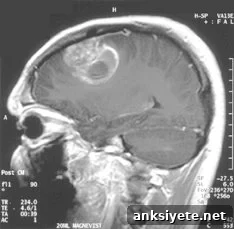
Conventional drug delivery approaches face significant limitations. Oral and intravenous drugs often cannot cross the blood-brain barrier effectively, while drugs delivered via implants may fail to reach migrating tumor cells. Additionally, many commonly used anti-cancer agents do not eliminate the cancer stem cells that drive tumor growth and recurrence.
To overcome these barriers, the research team engineered ultra-small polymer nanoparticles roughly 70 nanometers in diameter. Their minute size enables the particles to move through brain tissue more easily than larger carriers. The particles are administered as a fluid directly into the brain through a catheter, bypassing the blood-brain barrier and allowing the particles to distribute through tissue. They are designed for controlled, sustained release so the drug remains active at the tumor site for weeks.
Alongside the delivery innovation, the researchers screened more than 2,000 FDA-approved compounds to identify agents capable of targeting brain cancer stem cells, which are believed to drive tumor initiation and recurrence. The fungicide dithiazanine iodide (DI), an FDA-approved compound, emerged as the most effective candidate in their screens for killing these aggressive, treatment-resistant cells.
When DI was loaded into the penetrative nanoparticles and delivered into the brains of laboratory rats bearing human glioblastoma tumors, median survival increased to 280 days—substantially longer than the 180-day median for animals treated with other therapies and the 147-day median for untreated controls. Additional studies in pigs demonstrated that the nanoparticle-drug combination could diffuse deeply into the larger brain, supporting the potential for translation to human use.
The nanoparticles are made from biodegradable polymers—long chains of repeating molecules—allowing researchers to tailor particle size and drug release kinetics. That combination of controlled release, small particle size, and direct application enhances tissue penetration and reduces systemic exposure, which may limit side effects.
Because the platform is adaptable, the investigators believe the nanocarriers could be used to deliver a range of therapeutic agents to treat glioblastoma and other diseases of the central nervous system. The approach addresses two central challenges in neuro-oncology: reaching dispersed tumor cells across brain tissue and targeting tumor-initiating cells that enable recurrence.
Notes about this glioblastoma research
The published paper is titled “Highly penetrative, drug-loaded nanocarriers improve treatment of glioblastoma.” Jiangbing Zhou, assistant professor of neurosurgery and of biomedical engineering at Yale, and Toral R. Patel, chief resident in neurosurgery at Yale, are listed as co-lead authors. The full author list appears in the published article.
Support for the research was provided by the National Institutes of Health, the Chicago Institute of Neurosurgery and Neuroresearch Foundation, Voices Against Brain Cancer Foundation, the B*Cured Foundation, the Yale Institute for Nanoscience and Quantum Engineering, and the Connecticut Brain Tumor Alliance.
Written by Eric Gershon
Source: Yale University press release
Image credit: MRI glioblastoma scan credited to the NIH (public domain)
Original research: Abstract and article published in PNAS, “Highly penetrative, drug-loaded nanocarriers improve treatment of glioblastoma.”